
Forsythia, also known as Paris mimosa, is one of the first shrubs to bloom in spring, producing a vibrant golden-yellow display that brightens any garden. But once the flowers fade, should you prune it? Is pruning necessary, and if so, when and how should it be done? Let’s explore the best practices for pruning forsythia to keep it healthy and flourishing.
📅 When to Prune Forsythia?
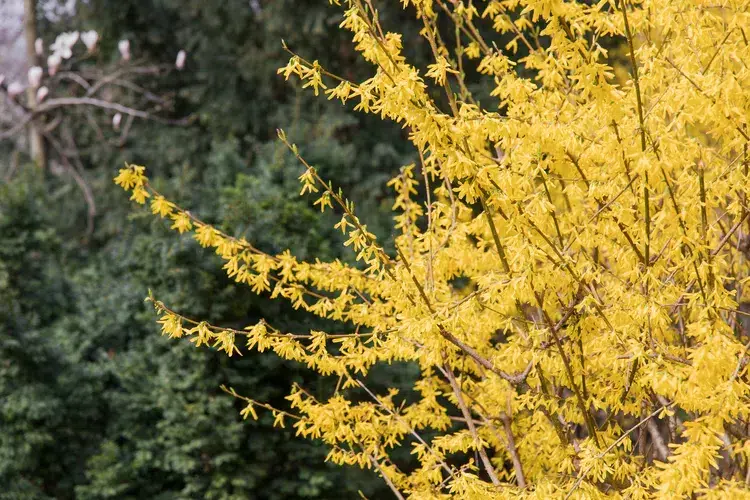
Pruning should be done after flowering, typically around May to June. Once the last blooms have fallen, it’s time to shape your shrub. However, pruning is not mandatory—forsythia can grow freely if left untrimmed.
There are three main types of pruning, each with different frequencies:
✔️ Training Pruning – Done on young plants during the first season after planting.
✔️ Rejuvenation Pruning – Performed every 3 to 4 years to encourage fresh growth.
✔️ Hedge Maintenance Pruning – Carried out annually after flowering to maintain a neat shape.
✂️ How to Prune Forsythia After Flowering
Pruning forsythia is simple, and no special skills are required. The shrub is hardy and tolerates pruning well, especially when done to refresh its appearance and improve flowering.
🌱 Steps for Pruning Forsythia
✅ Remove One-Third of Old Wood – This keeps the shrub looking fresh and encourages better blooms.
✅ Cut Away Dead, Weak, or Inward-Growing Stems – This improves air circulation and reduces disease risks.
✅ Thinning for Hedges – If you grow forsythia as a hedge, use pruning shears to thin out dense areas.
🔄 Should You Cut Back Forsythia Severely?
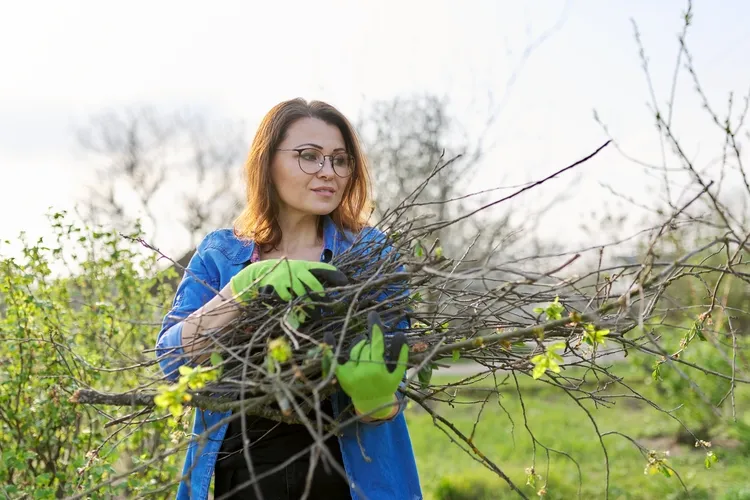
Cutting back, also known as hard pruning, involves severely trimming the shrub to rejuvenate it. This is necessary if the forsythia has been neglected for years, as it can become overgrown, prone to disease, and produce fewer flowers.
🌿 How to Hard Prune Forsythia
🟢 For Middle-Aged Forsythia – Cut back to 30 cm from the ground to remove brambles and unwanted growth.
🟢 For Older Forsythia – Remove two-thirds of the oldest central stems, allowing the remaining branches to continue sap circulation and promote new growth.
🔹 Important Tip: After a hard prune, the next flowering season may be reduced, but the plant will bounce back stronger the following year.
🌸 Final Thoughts: Prune for Healthier Growth
Pruning forsythia after flowering is a great way to enhance its shape, boost flowering, and prevent overgrowth. While not mandatory, regular pruning will keep your Paris mimosa vibrant and healthy. Whether you opt for light maintenance pruning or a drastic cutback, your forsythia will reward you with stronger growth and beautiful golden blooms! 🌿✨


