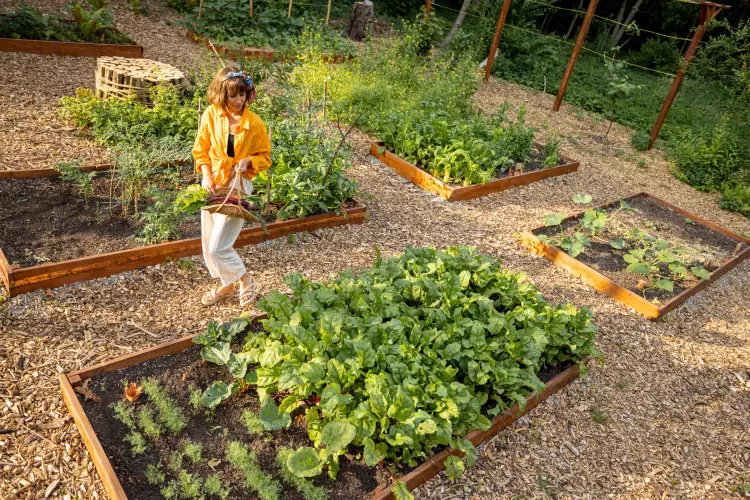
Choosing the right ground cover for your vegetable garden is essential for protecting the soil, preventing weeds, and improving plant health. While many gardeners use mulch made of straw, compost, or wood chips, have you ever considered using ground cover plants instead?

These living mulches not only provide the same benefits as traditional mulch but also add beauty to your garden, attract pollinators, and in some cases, are even edible! Let’s explore the top five ground cover plants for a healthier, more productive vegetable garden.
🌿 Why Use Ground Cover Plants?
For many years, I never thought about covering the soil in my vegetable garden. However, as winters became colder and summers hotter, I realized that ground covers could help maintain soil moisture, regulate temperature, and reduce erosion.

Instead of using materials like gravel, wood chips, or straw, why not opt for plants that serve the same purpose—while also enriching the ecosystem?
Benefits of Ground Cover Plants:
✔ Prevent weeds naturally
✔ Retain moisture and reduce watering needs
✔ Regulate soil temperature in extreme weather
✔ Attract pollinators like bees and butterflies
✔ Improve soil health by adding organic matter
✔ Repel pests with strong scents
🌱 Top 5 Ground Cover Plants for a Vegetable Garden
1️⃣ Sage – Perfect for Cold Winters & Hot Summers

🌿 Why choose it?
✔ Evergreen ground cover that thrives year-round
✔ Keeps soil temperature stable
✔ Naturally repels weeds
Sage is a fantastic medicinal and aromatic herb that grows quickly and protects your garden from temperature fluctuations. It’s also an excellent natural weed suppressant, making it an ideal choice for any vegetable patch.
2️⃣ Oregano – The Aromatic Herb & Natural Pest Repellent

🌿 Why choose it?
✔ Forms a thick, green carpet between vegetables
✔ Highly aromatic and great for cooking
✔ Repels mosquitoes and fleas when stepped on
Oregano is not only a delicious culinary herb, but it also serves as an excellent ground cover plant. It tolerates light foot traffic, spreads quickly, and even deters pests with its strong fragrance!
3️⃣ Nasturtiums – Edible, Beautiful & Anti-Aphid

🌿 Why choose it?
✔ Edible flowers & leaves
✔ Attracts pollinators for a thriving garden
✔ Acts as a natural aphid trap
Nasturtiums are a brilliant companion plant for cucumbers and berries. Their bright flowers attract aphids, keeping these pests away from your more delicate vegetables. Plus, they add a peppery flavor to salads!
4️⃣ Strawberries – A Sweet & Edible Ground Cover

🍓 Why choose it?
✔ Produces delicious fruit while protecting the soil
✔ Pairs well with eggplants, kale, beans, and onions
✔ Prevents soil erosion and suppresses weeds
Strawberries are a living mulch that provides both ground cover and a tasty harvest. If you love edible gardening, this is a perfect choice!
5️⃣ Pumpkins, Melons, Squash & Watermelons – Best for Large Gardens

🎃 Why choose them?
✔ Excellent for large vegetable gardens
✔ Sprawling vines cover the ground and protect the soil
✔ Retains moisture and prevents weeds
If you have lots of space, these vine plants make great natural mulch while also producing delicious fruit. However, be mindful of their climbing nature—keep them away from trellises unless you want them to climb!
🌟 For smaller gardens, consider growing cucumbers instead.
🌎 Create a Thriving, Low-Maintenance Vegetable Garden!
By using ground cover plants, you can reduce weeds, conserve water, and improve soil health—all while making your garden more beautiful and productive!
Would you like more companion planting tips or advice on organic gardening? Let me know! 😊🌿


