
Did you know that certain plants can naturally improve soil health? Instead of relying on chemical fertilizers, these plants loosen compact soil, add nutrients, and enhance biodiversity. Whether your soil is poor, sandy, or acidic, these 10 plants will help enrich your garden over time.
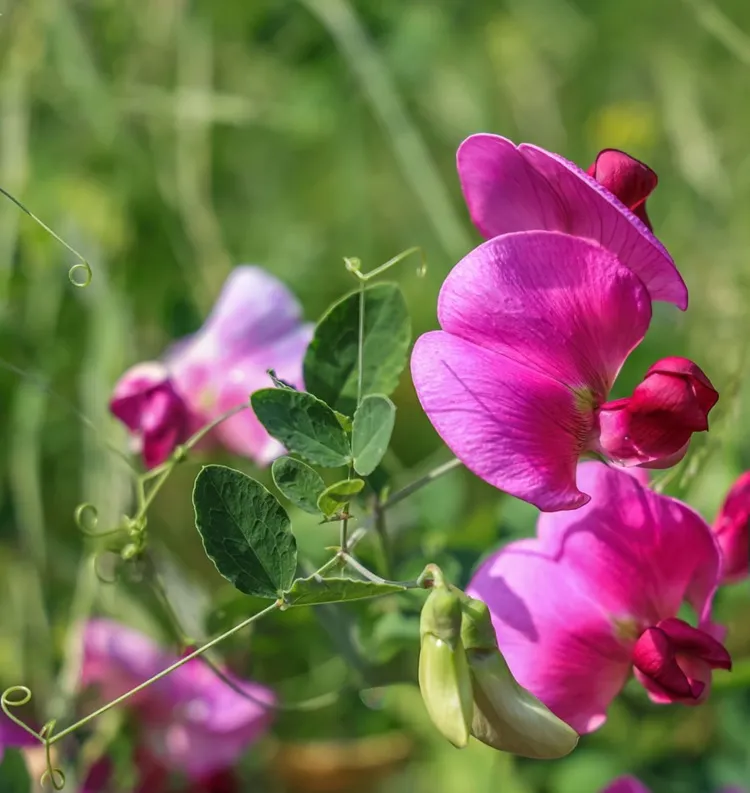
🌿 1. White Clover – A Natural Nitrogen Booster
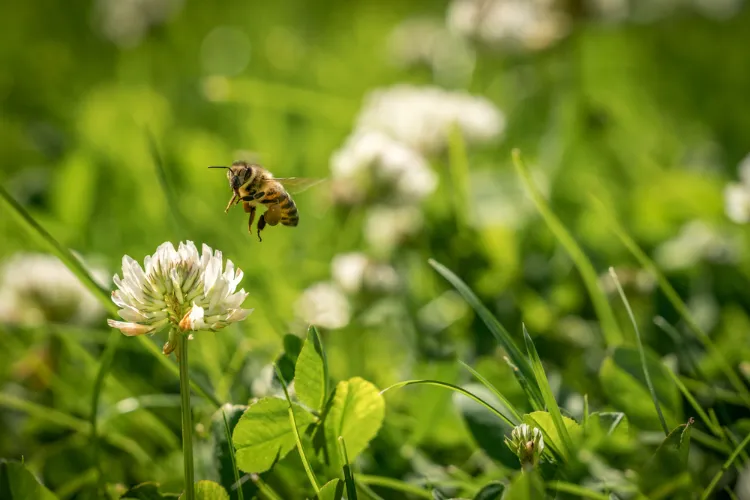
White clover is an excellent green manure that fixes nitrogen in the soil, making it richer for future crops. It’s also a melliferous plant, attracting beneficial pollinators. This low-maintenance ground cover is perfect for vegetable gardens, orchards, or even wild meadows.
✅ Tip: Red clover offers similar benefits!
🌸 2. Lupin – Beautify & Fertilize Your Garden
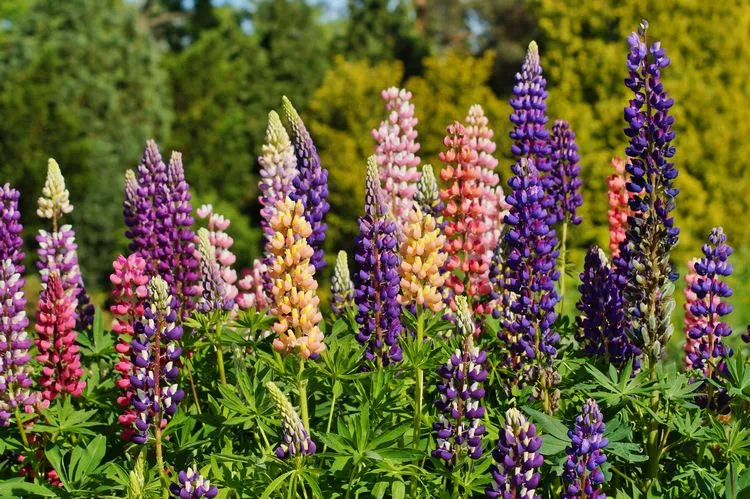
Lupin is not just a gorgeous flowering plant—it also captures nitrogen from the air and delivers it to the soil. Sow in spring and divide in autumn to multiply its benefits!
🌼 3. Common Vetch – Fix Nitrogen & Loosen Soil
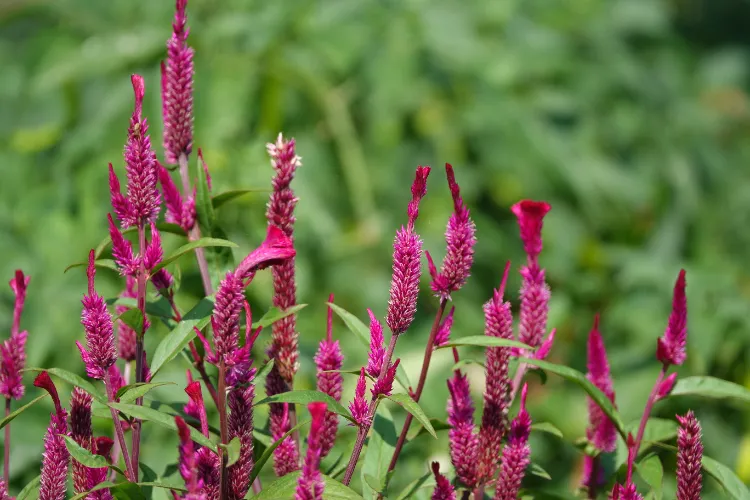
Common vetch is a double-duty plant: it adds nitrogen while aerating compacted soil. Plus, it’s rich in carbon, further nourishing the garden after mowing.
📌 Best Time to Sow:
✔ Spring (April-May) or Fall (August-September)
✔ Cold-resistant and easy to grow!
🌾 4. Phacelia – A Must for Permaculture Gardens
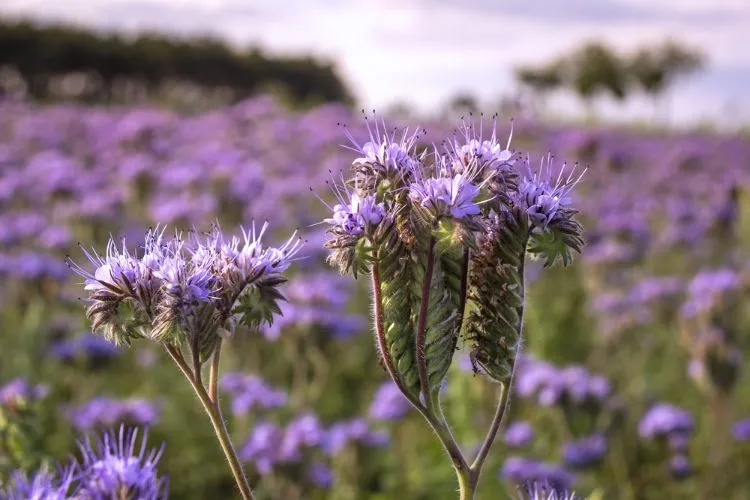
Phacelia is a popular green manure that stores nitrogen and improves soil structure. It’s also a natural weed suppressant, making it an excellent choice for maintaining healthy garden beds.
📌 Sow Between: March – September
🥦 5. Mustard – Enrich & Protect Your Soil
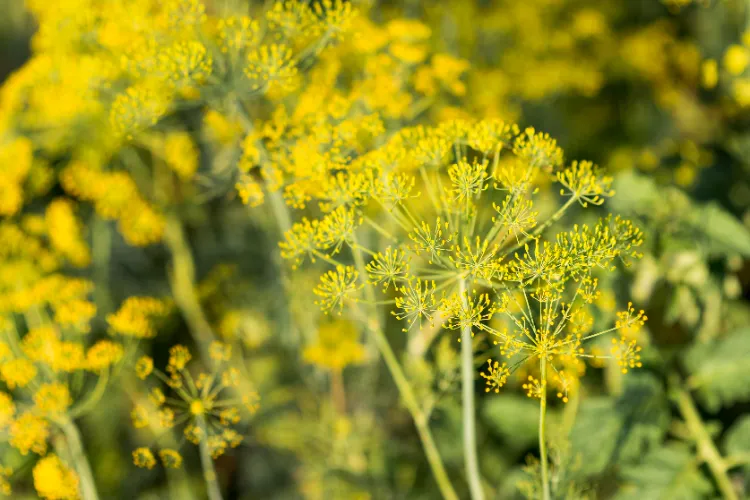
White mustard creates a dense cover that prevents weeds and adds organic matter to the soil. Sensitive to frost, it naturally breaks down in winter, becoming an organic fertilizer for spring planting.
📌 Best Time to Sow: September
🌾 6. Buckwheat – The Weed-Fighting Powerhouse
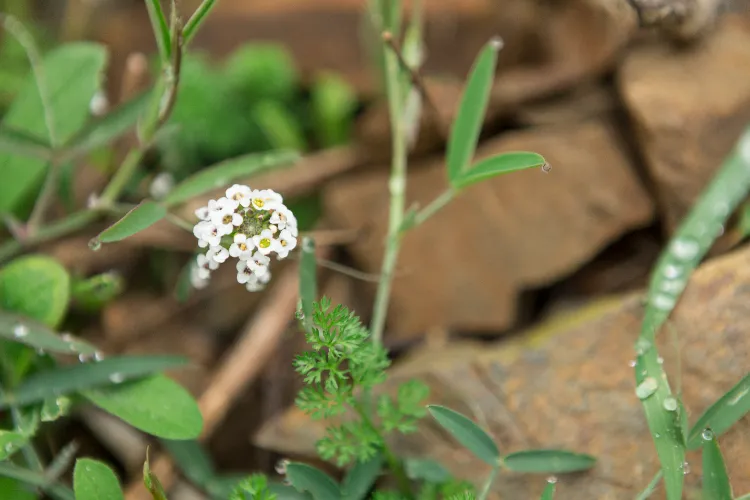
Buckwheat is a fast-growing plant that:
✔ Smothers weeds
✔ Reduces soil compaction
✔ Improves water retention
📌 Sow Outside of Frost Periods for best results!
🌿 7. Small Bindweed – A Natural Soil Indicator
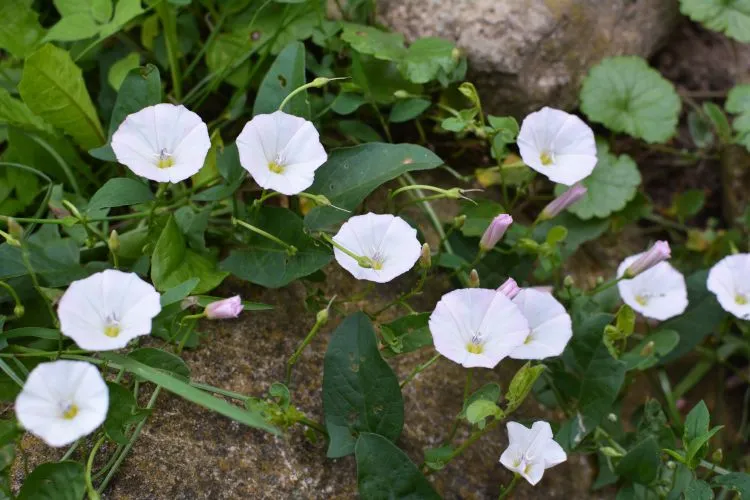
Although often seen as a weed, small bindweed has a deep root system that pulls nutrients from the soil. It also adds nitrogen to compost and serves as a natural indicator of soil conditions.
✅ Tip: Its presence signals compacted, nitrogen-rich soil that may need better aeration.
🌱 8. Nettle – A Garden Superfood
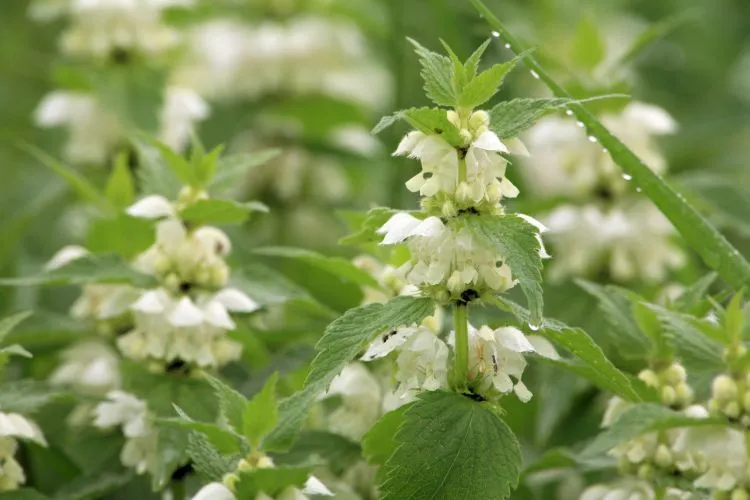
Nettle isn’t just for herbal teas—it’s also a natural fertilizer packed with nitrogen and minerals! Mow it before it goes to seed, then:
✔ Incorporate it into compost
✔ Use it as organic mulch
✔ Make nutrient-rich nettle tea for plants
🌿 9. Horsetail – A Natural Immunity Booster
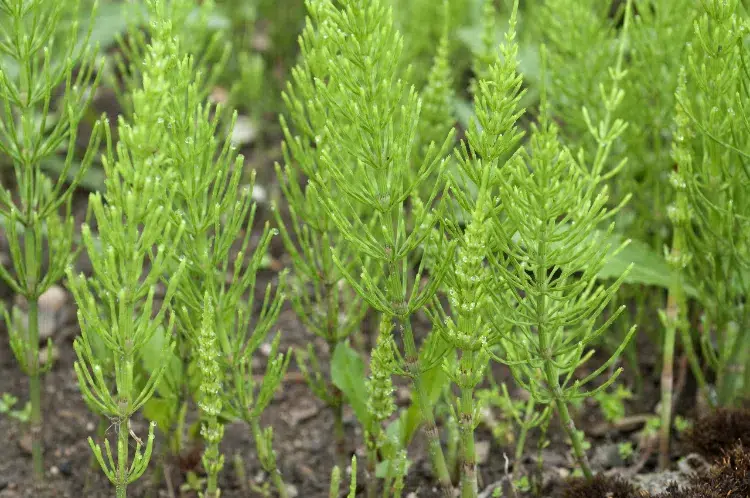
Horsetail is another misunderstood weed that actually improves soil quality and enhances plant immunity. Use it to make a homemade liquid fertilizer that strengthens plants against pests and diseases.
🌿 10. Oregano – The Aromatic Soil Improver
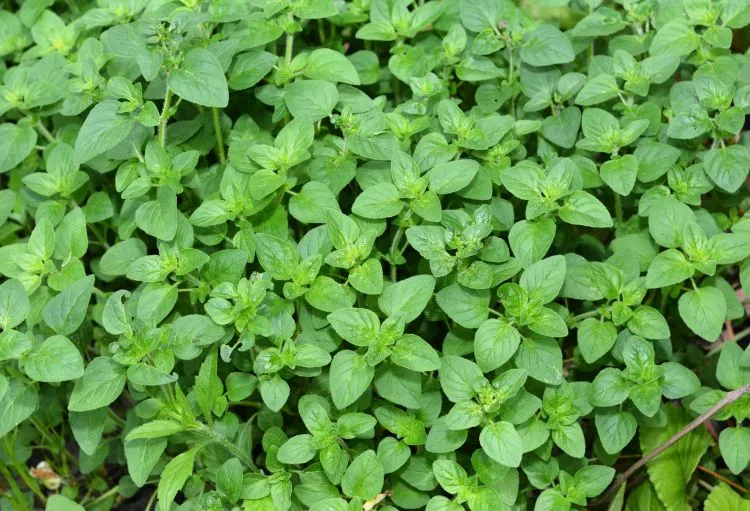
This fragrant herb does more than flavor your dishes—it also improves chalky soils and attracts beneficial insects.
✅ Other Great Green Manures:
✔ Vicia cracca (Tufted vetch)
✔ Lathyrus latifolius (Perennial pea)
✔ Lotus corniculatus (Bird’s-foot trefoil)
✔ Pisum sativum (Forage pea)
🌎 Conclusion: Improve Your Soil Naturally!
By growing these 10+ plants, you can enrich your soil, reduce weeds, and boost plant health—all without chemical fertilizers!
✅ Choose the right plant for your soil type
✅ Sow at the right time for maximum benefits
✅ Let nature do the work for a healthier garden! 🌿🌸🍃


