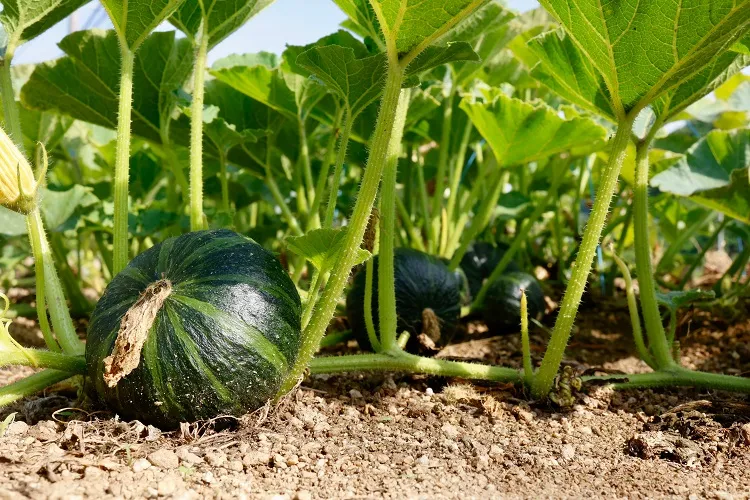
A true star of fall and winter, squash is a versatile vegetable that adds rich flavors to soups, gratins, and even desserts. But before enjoying it in the kitchen, you need to learn how to grow squash successfully in your garden!
When should you plant squash? What are the best planting techniques? How can you ensure a bountiful harvest? Let’s dive into everything you need to know!
📅 When to Plant Squash?

Squash plants are highly sensitive to cold, so timing is crucial. The best planting period is between April and June, when the risk of frost is gone and the soil has warmed up.
- In warmer regions, you can plant squash directly in the ground by June.
- In colder areas, it’s better to start seeds in pots indoors and transplant them once temperatures remain above 0°C (32°F) at night.
💡 Tip: Always check the weather forecast before planting to avoid unexpected frosts.
🌱 How to Plant Squash?
1️⃣ Choose the Right Location
✔️ Full sun: Squash needs at least 6-7 hours of sunlight per day.
✔️ Well-drained soil: Squash roots can rot in overly wet soil, so choose a spot with good drainage.
2️⃣ Prepare the Soil
✔️ Remove weeds manually or with a natural weedkiller.
✔️ Enrich the soil with well-rotted compost or manure for optimal growth.
3️⃣ Sowing and Planting
✔️ For direct sowing:
- Dig small holes about 3 cm deep.
- Place 2-3 seeds in each hole.
- Cover with fine soil and water well.
✔️ For transplanting seedlings:
- Dig large enough holes to fit the young plants.
- Place the seedlings carefully and cover the roots.
- Keep at least 1 to 2 meters (3-6 feet) between each plant to allow room for growth.
✔️ Water generously after planting to help roots establish. Squash plants love water, so keep the soil moist but not soggy.
🌿 How to Get Beautiful Squash?

To grow large, healthy squash, proper care and maintenance are essential.
1️⃣ Watering
💧 Keep the soil consistently moist, especially during the growing and fruiting stages.
💧 Avoid overwatering to prevent fungal diseases.
2️⃣ Mulching
🍂 Add mulch around the base of the plants to:
✔️ Retain moisture.
✔️ Prevent weed growth.
✔️ Protect roots from temperature fluctuations.
3️⃣ Pest & Disease Control
🐛 Squash plants are vulnerable to aphids, slugs, and mold.
✔️ Inspect leaves and fruit regularly.
✔️ Remove any infected or damaged parts.
✔️ Use natural pest repellents like neem oil or garlic spray.
4️⃣ Pruning for Maximum Yield
✂️ Pruning encourages better airflow and fruit production. Here’s how to do it:
✔️ Top the main stem after the second large leaf.
✔️ Lateral branches without fruit → prune after the fifth leaf when they reach eight leaves.
✔️ Branches with fruit → cut them two leaves after the last fruit.
✔️ Limit vegetation growth by removing non-fruiting branches.
Yield Guide:
- Small varieties: Expect 8-10 fruits per plant.
- Large varieties: Expect 5-6 fruits per plant.
🎃 Ready to Grow Your Own Squash?
By following these simple tips for planting, watering, and pruning, you can enjoy a healthy, abundant harvest of squash this season!
💡 Which squash variety are you planting this year? Let us know in the comments! 🌱💛


