
Pollinators like bees, butterflies, and hoverflies play a vital role in the success of your vegetable garden. They help fertilize crops, leading to better yields and healthier plants. Without them, gardens and orchards would lack vibrancy. But how can you attract these beneficial insects? By planting honey plants—species rich in nectar and pollen that naturally draw pollinators!
Let’s explore the best honey plants to include in your vegetable garden for a thriving ecosystem.
🐝 Why Are Some Plants More Attractive to Pollinators?
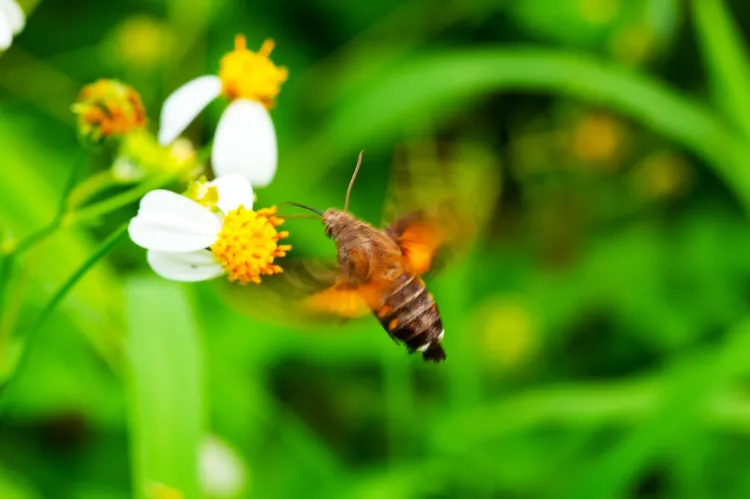
Not all plants are equally appealing to pollinators. Honey plants are particularly attractive because they:
✔ Produce an abundance of pollen and nectar
✔ Bloom when few other plants are flowering, ensuring a steady food supply
✔ Have appealing colors, fragrances, and flower shapes, making them easy for pollinators to access
To keep pollinators active in your garden from early spring to late fall, plant a mix of annuals, herbs, perennials, shrubs, and trees that bloom at different times.
🌼 Best Annual Honey Plants for Your Garden
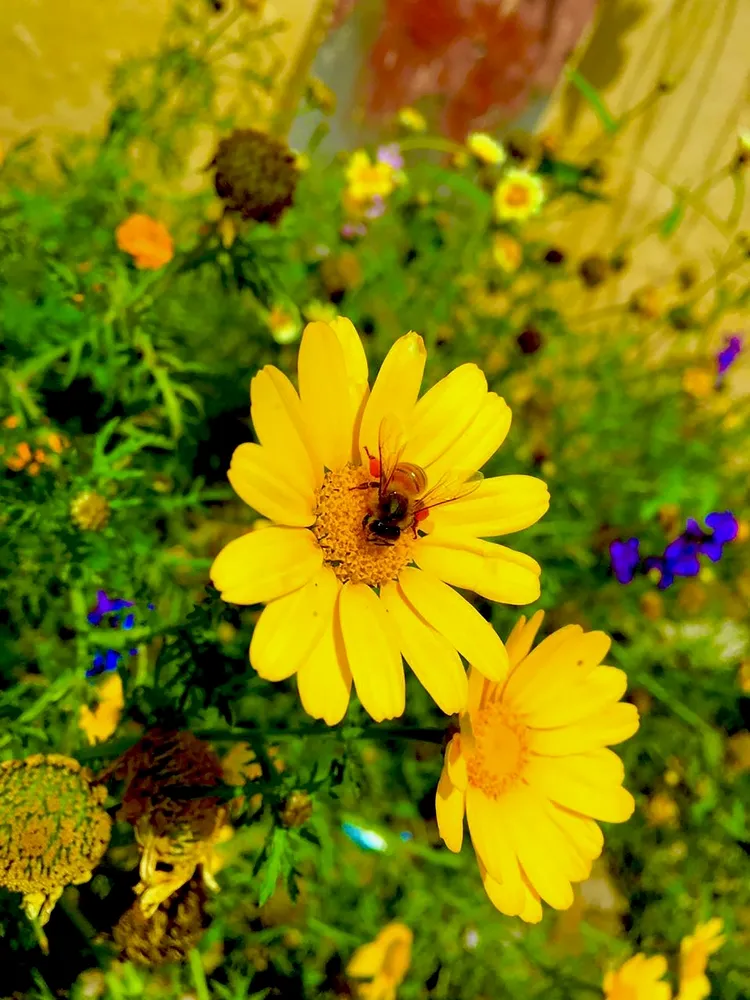
Annual plants bloom quickly and abundantly, making them a fantastic choice for attracting bees. Some top options include:
✔ Sweet Alyssum (Lobularia maritima)
✔ Rapeseed (Brassica napus)
✔ Cosmos (Cosmos bipinnatus)
✔ Tansy-leaved Phacelia (Phacelia tanacetifolia)
✔ Lantana (Lantana camara)
✔ Marigolds (Tagetes patula)
✔ Sunflowers (Helianthus annuus)
✔ Egyptian Starflower (Pentas lanceolata)
✔ Buenos Aires Verbena (Verbena bonariensis)
🌿 Herbs That Attract Bees and Butterflies
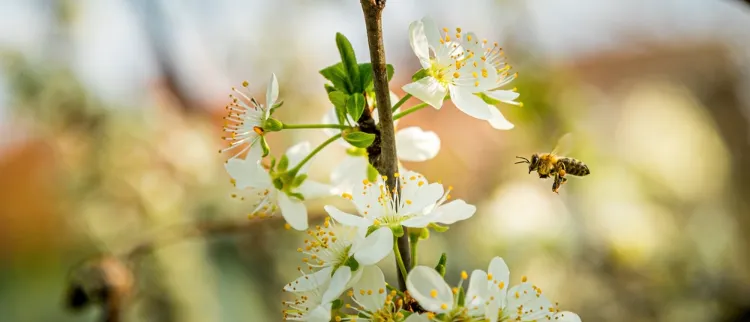
Fragrant culinary and medicinal herbs are irresistible to bees and other pollinators. Consider adding:
✔ Basil (Ocimum basilicum)
✔ Marigold (Calendula officinalis)
✔ Yarrow (Achillea millefolium L.)
✔ Borage (Borago officinalis L.)
✔ Sages (Salvia spp.)
✔ Catnip (Nepeta cataria)
✔ Chives (Allium schoenoprasum)
✔ Dill (Anethum graveolens)—a butterfly favorite!
✔ Lavender (Lavandula angustifolia)
✔ Oregano (Origanum vulgare)
✔ Rosemary (Salvia rosmarinus)
✔ Garden Rue (Ruta graveolens)
✔ Mustard (Sinapis arvensis)
🌾 Perennial Honey Plants for Long-Term Pollinator Support
Unlike annuals, perennials return year after year, providing a consistent food source for pollinators. Some great options include:
✔ Columbines (Aquilegia spp.)
✔ Common Daisy (Leucanthemum vulgare)
✔ Anise Hyssop (Agastache foeniculum)
✔ Bee Balm (Monarda fistulosa)
✔ Black-eyed Susan (Rudbeckia spp.)
✔ Echinacea (Echinacea spp.)
✔ Dandelions (often seen as weeds, but incredibly beneficial!)
🌳 Flowering Shrubs for Pollinators
Shrubs create excellent pollinator-friendly hedges while adding beauty and structure to your garden. Consider planting:
✔ Common Lilac (Syringa vulgaris)
✔ Privet (Ligustrum)
✔ Hawthorn (Crataegus spp.)
✔ Wild Dogwood (Cornus mas)
✔ Ivy (Hedera helix)
✔ Heathers (Erica spp.)
✔ Blackberry Bramble (Rubus fruticosus)
✔ Raspberry Bush (Rubus idaeus)
🌲 Don’t Underestimate Pollinator-Friendly Trees!
Many fruit and flowering trees are excellent at attracting pollinators, ensuring a productive vegetable garden. Some top choices include:
✔ Plum Trees (Prunus domestica)
✔ Cherry Trees (Prunus avium)
✔ Apple Trees (Malus domestica)
✔ Maple Trees (Acer spp.)
✔ Chestnut Trees (Castanea spp.)
✔ Linden Trees (Tilia spp.)
🌻 Final Tips for Attracting Pollinators
✔ Choose plants that bloom at different times to provide food year-round
✔ Avoid pesticides, as they harm pollinators
✔ Plant in clusters, making it easier for insects to locate flowers
✔ Provide water sources, such as shallow dishes with pebbles
✔ Leave some wild areas, allowing natural habitats for pollinators to thrive
By incorporating honey plants into your vegetable garden, you’ll create a biodiverse, pollinator-friendly space that leads to healthier crops and higher yields. 🌱🐝
Which honey plants will you add to your garden this season? Let us know in the comments! 💬


