
Getting rid of weeds is an endless battle for gardeners. No matter how much effort, time, and money you invest in their eradication, they always seem to return stronger than before. Instead of fighting them, why not learn how to recycle weeds effectively? Some weeds can actually benefit your garden, while others should be completely avoided. Let’s explore how to make the most of them!
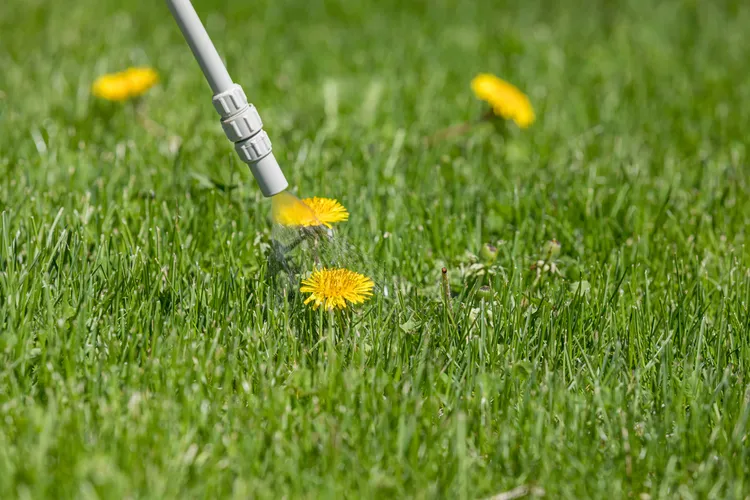
🌱 What is a Weed?
A weed is often defined as a plant that grows where it’s not wanted. However, not all weeds are harmful—some have nutritional value, while others improve soil health.
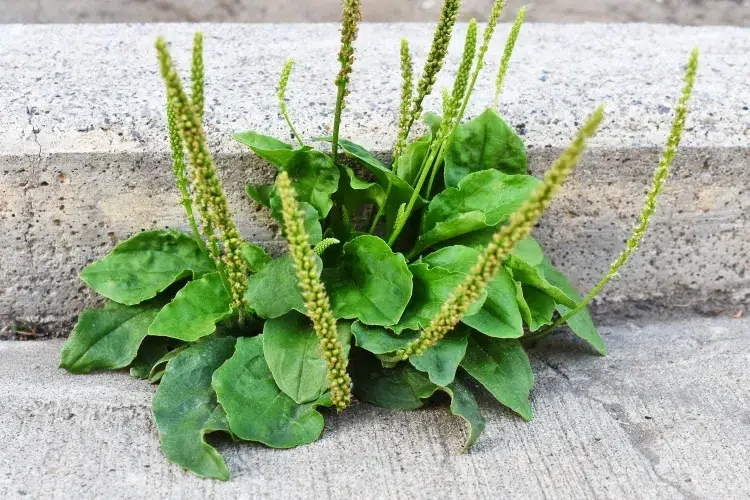
For example, dandelions are packed with phosphorus, potassium, and copper, making them great for soil enrichment. Similarly, purslane and nettle offer benefits but can become invasive if left unchecked.
On the other hand, some weeds can serve as bio-indicators, helping determine whether your soil is acidic, alkaline, or neutral. Even small shrubs, like Japanese knotweed, can significantly impact ecosystems if not managed properly.
🔄 Why Recycle Weeds?
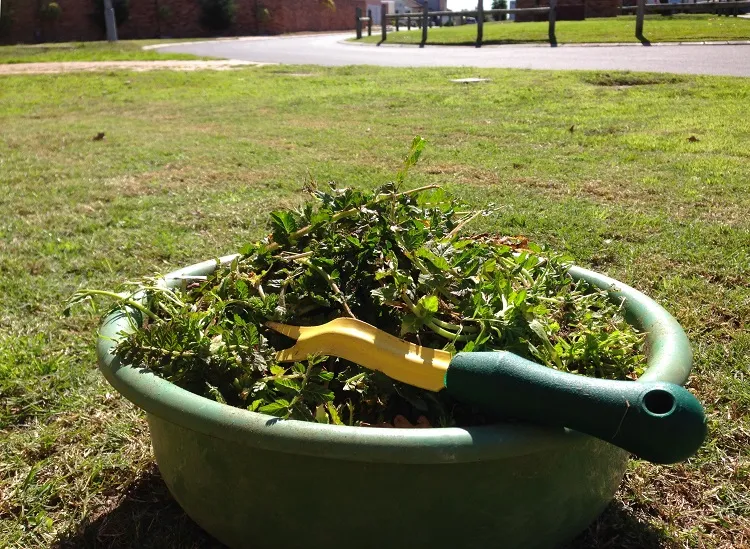
Weeds spread through seeds, rhizomes, cuttings, and stolons, with help from wind, insects, animals, and rain. Since total eradication is nearly impossible, it’s better to control their growth while putting them to good use.
Unmanaged piles of pulled-up weeds can:
❌ Take up space in your yard.
❌ Become a fire hazard when dry.
❌ Choke out native plants trying to regenerate.
❌ Harbor invasive species that spread even further.
So instead of simply discarding them, why not recycle weeds into manure, compost, or mulch? Weeds like plantain, nettle, dandelion, and bindweed can be valuable garden resources if handled correctly.
🌍 How to Recycle Weeds?
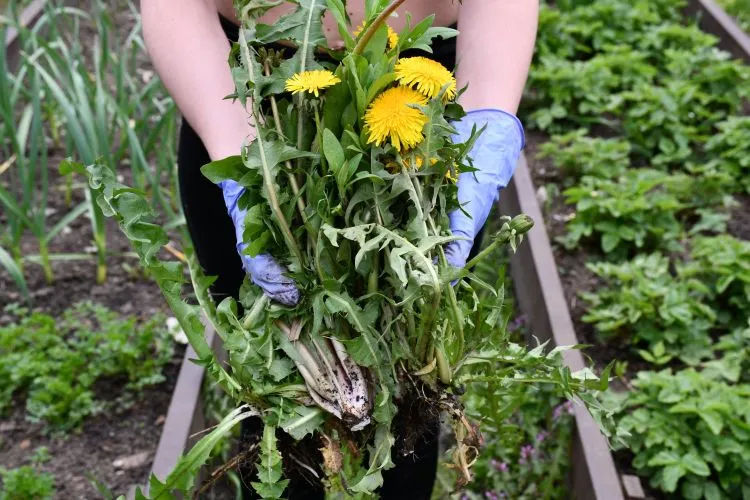
✅ Composting Weeds
Instead of transporting yard waste to a landfill, weeds can be turned into compost. However, some weed seeds can survive in compost and sprout when spread in the garden. To prevent regrowth, use hot composting, which destroys seeds and unwanted fragments.
✅ Mulching with Weeds
Weeds can also be used as mulch to protect soil and crops. However, this method carries the risk of weed proliferation, so you must carefully select which weeds to use. Remove any parts that could sprout again before applying them as mulch.
✅ Turning Weeds into Manure
Certain weeds make excellent liquid manure! Nettle, horsetail, and rhubarb leaves are rich in nutrients and can be fermented into a powerful organic fertilizer.
⚠️ Precautions When Handling Weeds
✔️ Always wear gloves and a mask when dealing with weeds to protect yourself from allergens and toxins.
✔️ Use a tarp or nylon cover when transporting weeds to avoid spreading seeds.
🚫 Weeds to Fear & Avoid Completely
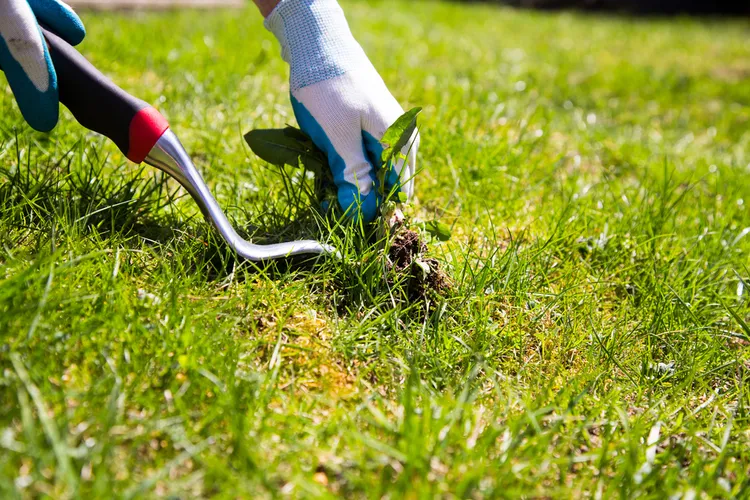
Some weeds should be destroyed and never recycled due to their toxicity or invasive nature. These include:
❌ Poison Ivy (Toxicodendron vernix) – Causes severe skin irritation.
❌ Ground Ivy (Glechoma hederacea) – Spreads aggressively and overtakes crops.
❌ Curly Dock (Rumex crispus) – Toxic to livestock.
❌ Bittersweet (Celastrus) – A suffocating vine that chokes plants.
❌ Poison Oak (Rhus radicans) – Highly allergenic and dangerous to handle.
🌿 Final Thoughts: Work With, Not Against, Nature
Instead of wasting energy fighting weeds, why not use them to your advantage? Some weeds improve soil, enrich compost, and provide nutrients, while others must be eliminated completely. By recycling wisely, you can turn a garden nuisance into a valuable resource—all while keeping your yard thriving and balanced! 🌱♻️


