
Have you noticed a yellowish growth on the branches and trunks of trees in your garden? This is likely yellow lichen, a common organism that often appears on trees, rocks, and other surfaces. But is it harmful to trees? Should you remove it? Or does it actually have beneficial effects? Let’s explore the facts about yellow lichen and whether it should be treated or left alone.
🔎 What is Yellow Lichen on Trees?
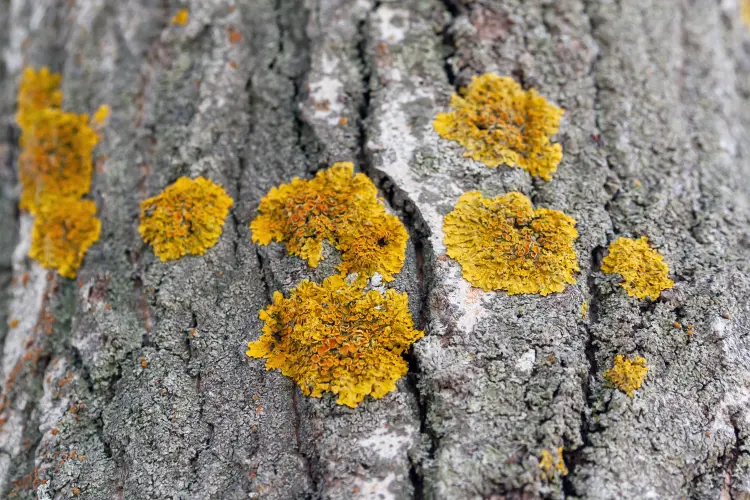
Lichen is not a plant—it is actually a symbiotic organism made up of fungi and algae. The fungus provides structure, while the algae produce food through photosynthesis. Unlike moss, which is a simple plant, lichen does not have flowers or seeds.
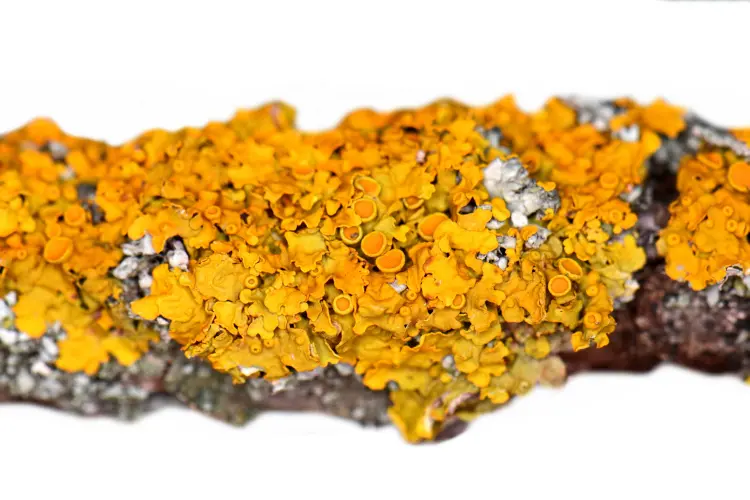
One of the most common types of yellow lichen is called Xanthoria parietina. Its bright yellow-orange color comes from a protective substance called xanthorin, which helps shield it from the sun’s radiation. After rain, it can appear more greenish-yellow due to increased moisture.
🌱 Why Does Lichen Appear on Trees?
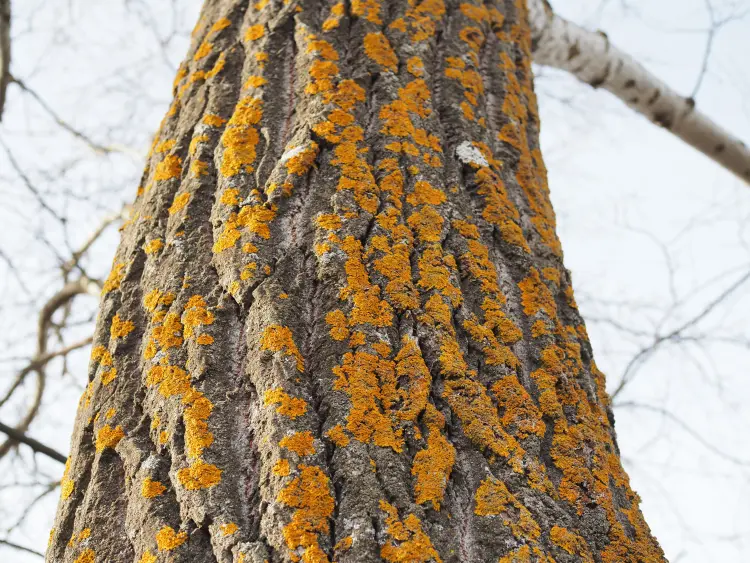
Lichen thrives in moist, shaded environments but also requires sunlight to survive. It is more commonly found on weakened or sick trees, as they often have fewer leaves and branches, allowing more light to reach the surface where the lichen grows.
❌ Is Yellow Lichen Harmful to Trees?
The simple answer is no—yellow lichen does not harm trees. It does not steal nutrients or penetrate tree tissues like some harmful fungi or parasites. Instead, it takes advantage of existing conditions, often appearing on trees that are already weakened.
Rather than causing tree decline, lichen is a sign that the tree might already be struggling. If you see a lot of it, you may want to check your tree’s health and consider whether it needs extra care.
🌿 Does Lichen Have Any Benefits?
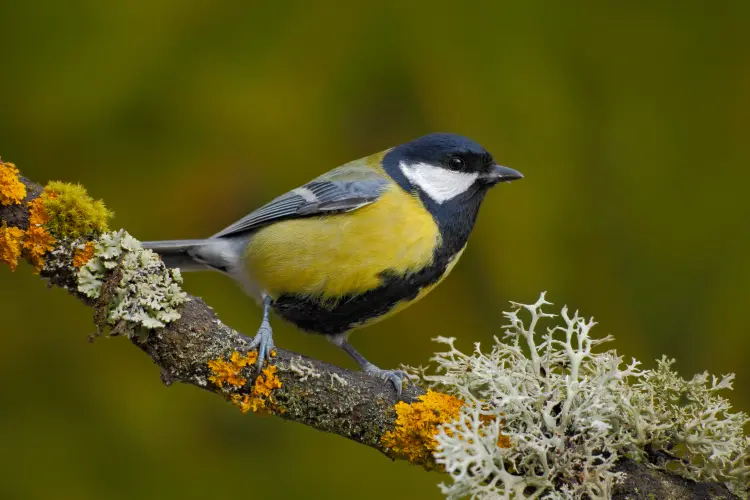
Yes! Yellow lichen is actually useful in several ways:
✅ Air Quality Indicator – Lichen absorbs airborne pollutants. It thrives in clean air but struggles in polluted environments, making it a natural air quality monitor.
✅ Wildlife Support – Lichen serves as food for small animals like squirrels and carp. It also provides shelter for insects, contributing to biodiversity.
✅ Non-Toxic – Unlike some fungal infections, lichen does not spread diseases or damage tree bark.
🏡 How to Remove Lichen (If Necessary)
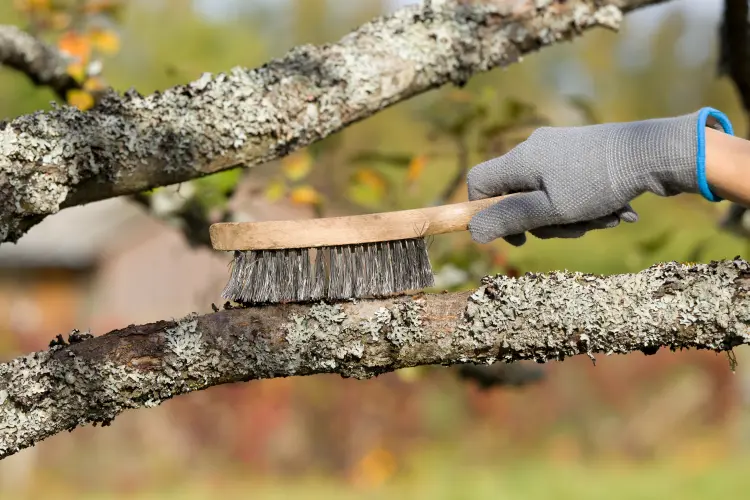
Since lichen is harmless, there is no real reason to remove it. However, if you don’t like how it looks, here are some safe ways to reduce or prevent it:
❌ What NOT to Do
🚫 Do not scrape it off manually – This can damage the tree’s bark and expose it to infections.
🚫 Avoid using a pressure washer – High-pressure water can harm the tree more than the lichen.
✅ Safe Removal & Prevention Tips
✔️ Improve Tree Health – Since lichen grows on weakened trees, focus on proper pruning, watering, and fertilization.
✔️ Enhance Air Circulation – Trim nearby plants and clear weeds to reduce moisture buildup.
✔️ Use Copper Sulfate – If you really want to remove it, a copper sulfate fungicide can help kill lichen without damaging the tree.
🌳 Final Verdict: Should You Remove Yellow Lichen?
In most cases, yellow lichen is harmless and does not need to be removed. It is often a sign of poor tree health rather than a cause of it. Instead of trying to eliminate lichen, focus on keeping your trees healthy, improving air circulation, and maintaining a balanced garden environment.
Next time you see yellow lichen, remember—it’s not a problem, but rather a natural part of your garden’s ecosystem! 🌿✨


