
Snakes are natural allies in the garden, helping to control rodent populations by feeding on mice, rats, and insects. However, despite their ecological benefits, most homeowners would rather not share their property with these slithering reptiles.
Do you suspect a snake nest in your garden? Learn how to recognize the signs, locate the nest, and take safe and effective steps to remove it.
🧐 How Do You Know If There’s a Snake in Your Garden?
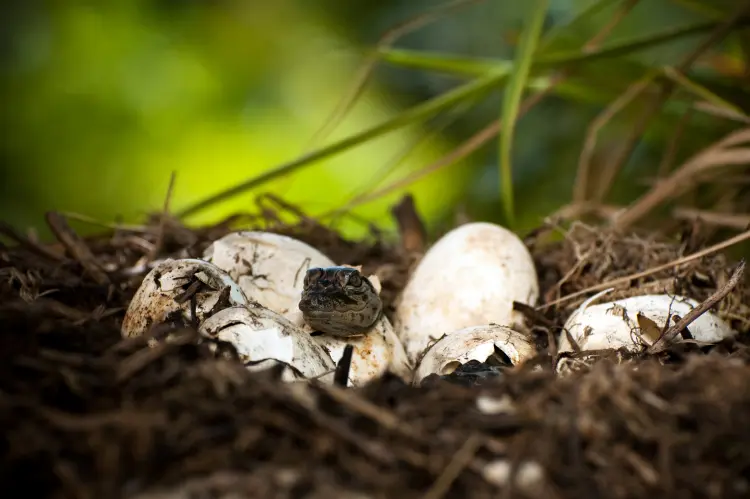
Gardens provide shelter for many animals, and snakes are no exception. Unlike some creatures, however, snakes can be harder to detect. If you see a snake once, it may just be passing through—but if you notice certain signs, it could mean a nest is nearby.
Signs of a Snake Nest:

✅ Molted Skin – Snakes shed their skin regularly. If you find dry, translucent, snake-like skin in your yard, there’s a good chance a snake is living nearby.
✅ Ground Marks – Slithering movements leave distinctive tracks in the soil or grass.
✅ Snake Droppings – Snake excrement is typically cylindrical or round, often brown or gray in color.
✅ Small Holes in the Ground – Snakes often take over abandoned rodent burrows or hidden cavities to create a nest.
🏡 Where Do Snakes Make Their Nests?
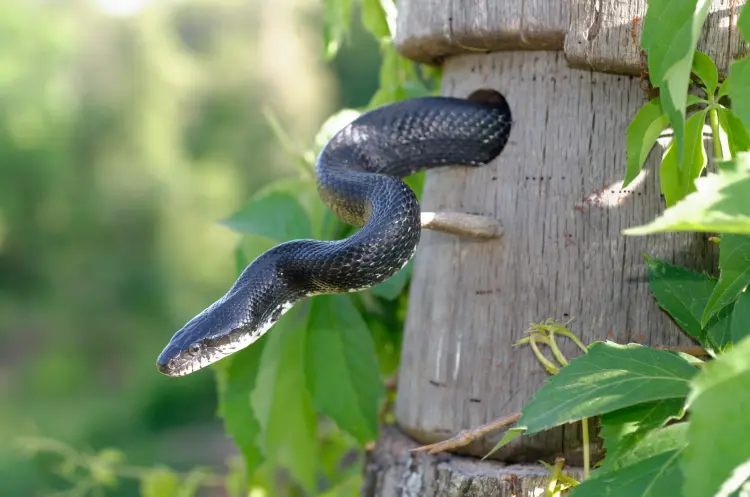
Despite the common myth, snakes don’t live in large intertwined groups. Outside of the breeding season, they prefer to live alone. Snake nests typically contain only eggs rather than multiple adult snakes.
Most Common Snake Nest Locations:
✔️ Cracks in Walls – Small openings in building foundations, walls, or between rocks make ideal hiding spots.
✔️ Under Rocks & Stones – Large stones provide shade and warmth, attracting snakes.
✔️ Tall Vegetation – Overgrown grass or thick bushes create a perfect hiding place.
✔️ Tree Roots & Debris Piles – Snakes may take shelter in root systems, stacked firewood, or piles of leaves.
🔍 How to Recognize a Snake Nest?
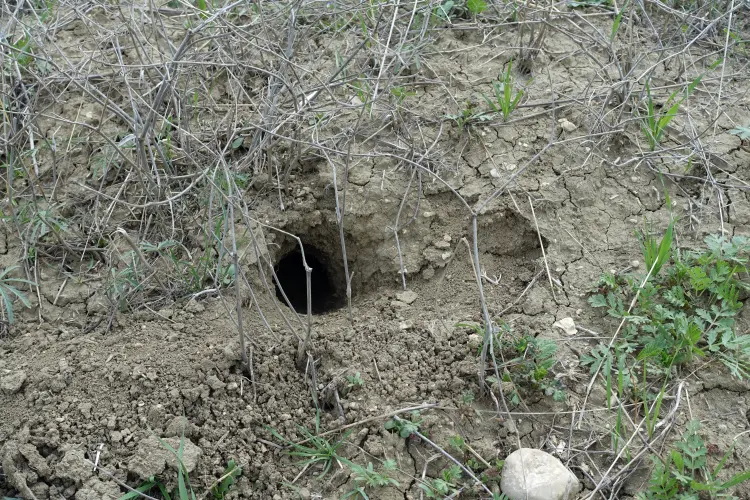
A snake nest doesn’t look like the typical nests built by birds or rodents. Instead, snakes occupy pre-existing spaces such as holes, rock crevices, or piles of organic material.
If you happen to stumble upon a snake nest, stay calm and assess the situation carefully. Snakes can become defensive, especially if protecting eggs.
❌ How to Get Rid of a Snake Nest?
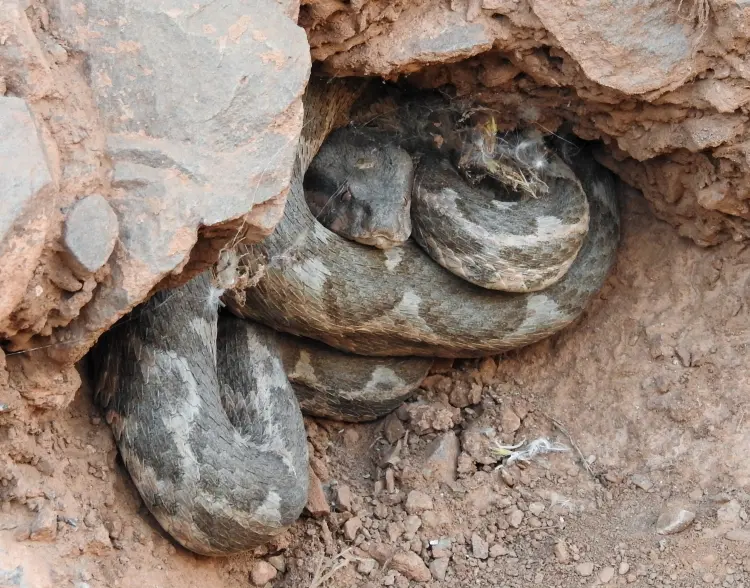
✅ Prevention is Key
The best way to deal with snake nests is to prevent them from forming in the first place. Here’s how:
✔️ Seal All Openings – Close any gaps in fences, walls, or around pipes to prevent snakes from entering.
✔️ Keep the Yard Tidy – Remove piles of wood, leaves, and tall grass where snakes might hide.
✔️ Secure Compost Bins – Open compost heaps attract rodents, which in turn attract snakes.
✔️ Use Natural Repellents – Certain plants, such as marigolds, lemongrass, and wormwood, deter snakes naturally.
⚠️ Important Safety Tips
🚨 Never remove a snake nest with your bare hands! Always wear bite-proof gloves and protective clothing in case of an attack.
🚨 Avoid killing snakes! Many species are protected by law and play a vital role in the ecosystem.
🚨 Call a professional – If you discover a large nest or encounter a dangerous species, contact a wildlife removal expert.
🐍 Final Thoughts: Coexisting Safely with Snakes
While snakes may be beneficial for controlling pests, it’s understandable to want them away from your home. By taking preventative measures and acting responsibly, you can keep your garden snake-free while ensuring their ecological role remains intact.
Would you rather deter snakes than remove them? Try landscaping techniques that make your yard less appealing to these creatures! 🌿🚫


