
Turtledoves may be charming birds, but their presence in your garden, balcony, or terrace can quickly become a problem. Noise, droppings, and health risks make them unwelcome guests in urban spaces. These birds breed rapidly, lay eggs multiple times a year, and can even carry diseases that affect humans and pets.
If you want to keep turtledoves away from your property without harming them, follow these effective and humane tips.
🕊️ When Do Turtledoves Lay Eggs?
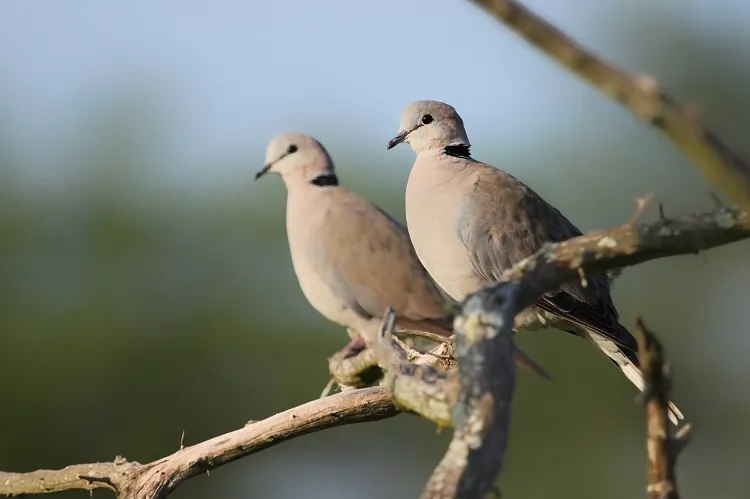
Turtledoves nest and lay eggs multiple times a year, typically between April and October. Both the male and female build a nest together, often in trees, hedges, balconies, or rooftops.
If they settle near your home, you need to act quickly before they lay eggs. Otherwise, they may cause:
✔ Blocked gutters, chimneys, and vents
✔ Unpleasant odors and pollution
✔ Constant cooing and noise
✔ Pigeon tick bites, which can lead to allergic reactions
✔ Potential disease transmission (amithosis, cryptococcosis, Newcastle disease, allergic asthma, etc.)
🚫 5+ Tips to Prevent Turtledoves from Nesting
1️⃣ Limit Their Nesting Areas
Turtledoves prefer to build their nests in trees, hedges, and buildings using twigs, roots, and stems. You can discourage them by:
✔ Installing bird spikes on tree branches, balconies, and rooftops
✔ Trimming overgrown hedges and trees to remove potential nesting spots
✔ Covering ledges and flat surfaces where they might build nests
This method also helps keep other large birds and even small mammals (like rats and raccoons) away.
2️⃣ Don’t Feed Them!
Turtledoves are primarily seed eaters and are attracted to gardens where food is available. Avoid leaving food out, especially:
✔ Sunflower seeds
✔ Wheat, barley, and oats
✔ Corn and millet
If you have a bird feeder, make sure it’s designed for smaller birds and positioned away from areas where turtledoves can perch.
3️⃣ Use Visual and Sound Repellents
Turtledoves are easily scared by moving and reflective objects. To keep them away, try:
✔ Hanging CDs, aluminum foil, or mirrors—the light reflections disturb them
✔ Placing a scarecrow—though this works better when regularly repositioned
✔ Using wind chimes or pinwheels—the motion and sound help deter them
These simple tricks won’t harm the birds but will make them uncomfortable enough to leave.
4️⃣ Install a Bird Net
A bird net is an effective way to physically block turtledoves from nesting in certain areas. For best results:
✔ Choose a 30mm mesh size—small enough to prevent entry
✔ Install it on balconies, rooftops, or garden fences
✔ Regularly check for damage from storms or snow
For a more durable option, consider triple-twisted netting, which lasts longer than standard netting.
5️⃣ Use Ultrasonic or Sound Repellents
Modern bird deterrents use sound waves to scare birds away without disturbing humans or pets. Some options include:
✔ Ultrasonic devices—emit sounds only birds can hear
✔ Outdoor speakers that broadcast predator calls (such as hawks and falcons)
✔ Randomized sound emissions, so birds don’t get used to them
By changing the sounds regularly, these devices remain effective over time.
🌿 Bonus Tip: Use Natural Bird-Repelling Plants
Some plants naturally repel birds due to their strong scents. Consider adding:
✔ Bay leaves
✔ Lavender
✔ Juniper
✔ Aromatic herbs (such as rosemary and thyme)
✔ Chili peppers
These plants beautify your garden while keeping unwanted birds at bay.
🏡 Final Thoughts
Keeping turtledoves away from your property doesn’t have to be difficult. By using physical barriers, repellents, and natural deterrents, you can humanely prevent nesting and protect your space from noise, mess, and health risks.
👉 Which method will you try first? Let us know in the comments! 💬


