
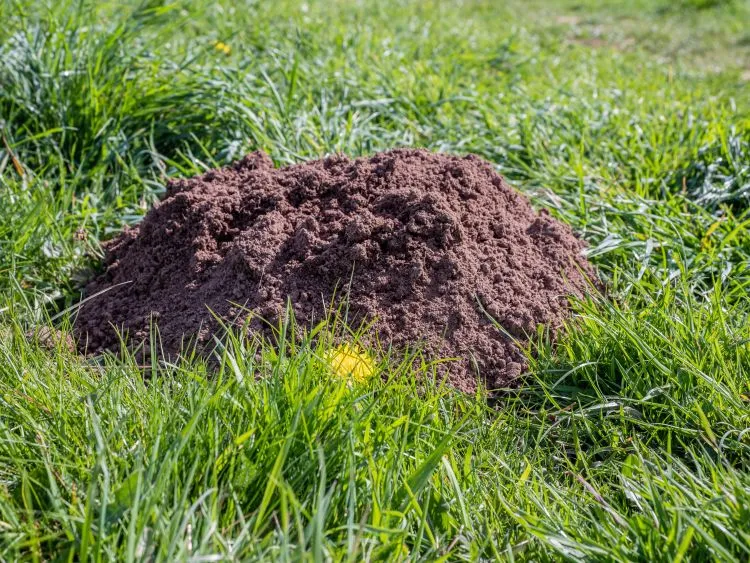
If mounds of soil are suddenly appearing in your garden, it’s a sign that your property has been invaded by moles. These underground creatures can quickly turn your lawn into a maze of tunnels, making it difficult to maintain a healthy garden. While many gardeners use repellent plants, white vinegar, smoke bombs, or ultrasonic devices, one of the most effective solutions is a mole trap. But why buy one when you can make your own homemade mole trap?

🧐 Understanding Mole Behavior
Before setting a trap, it’s important to understand how moles behave:
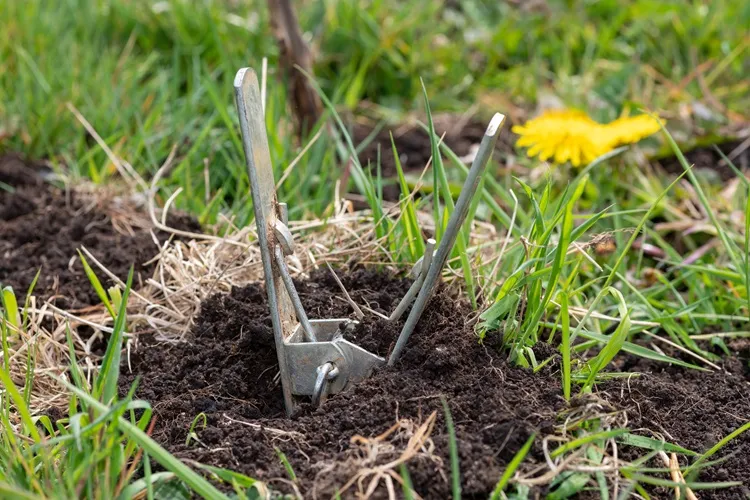
✔ Moles live underground, digging tunnels to search for food.
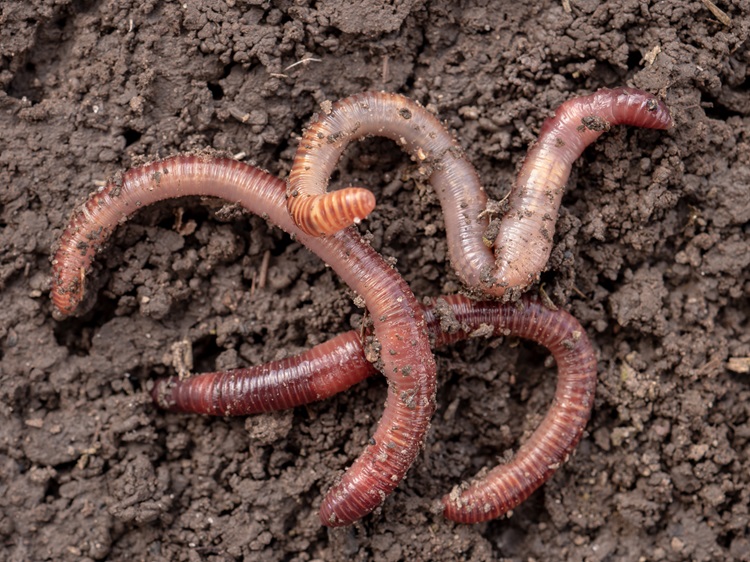
✔ They prefer moist soil rich in earthworms (their main diet).
✔ These creatures can dig up to 15 meters of tunnels per hour, quickly disturbing a well-maintained garden.
By identifying the most active mole tunnels, you can strategically place a trap for the best results.
🔍 Choosing the Right Type of Trap
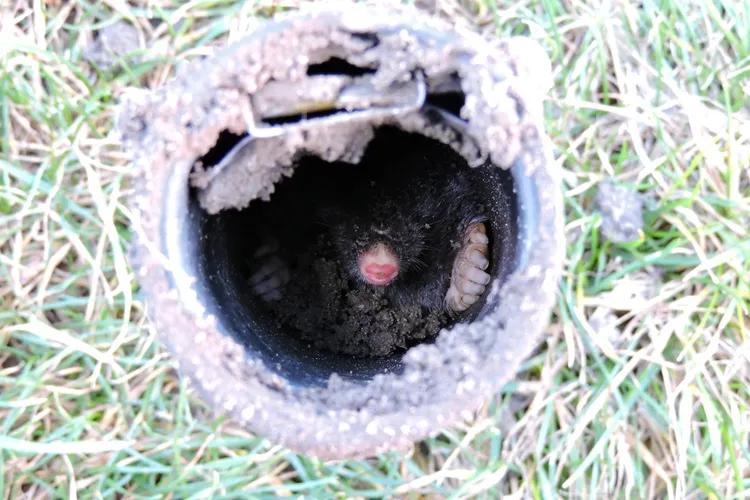
There are several types of mole traps available, including:
✔ Clamp Traps – Placed directly inside tunnels for instant capture.
✔ Scissor Traps – Similar to clamp traps but larger and more powerful.
✔ Tube Traps – Cylindrical traps that allow you to capture moles alive and relocate them.
One of the most popular and effective models used by professionals is the Putange trap, made of copper wire. However, you can also build a homemade mole trap using simple materials.
🏗️ How to Make a Homemade Mole Trap
🛠️ Materials Needed:
✔ 30 cm (12-inch) PVC pipe (10 cm diameter)
✔ Two PVC caps (to fit both ends of the pipe)
✔ A powerful spring
✔ A trigger mechanism (can be made from sturdy wire)
📋 Step-by-Step Instructions:
1️⃣ Prepare the PVC Pipe – Cut the pipe to 30 cm length and drill small holes along the sides to allow airflow (reducing stress on the captured mole).
2️⃣ Attach One Cap – Securely attach one of the PVC caps to one end of the pipe. The other cap should be able to open easily.
3️⃣ Install the Trigger Mechanism – Attach the spring inside the pipe near the fixed cap.
4️⃣ Connect the Wire – The trigger wire should hold the open cap in place. When the mole enters, it pushes the wire, triggering the spring and closing the cap behind it.
5️⃣ Identify Active Tunnels – To find the most active mole tunnels, flatten a few molehills and check which ones reappear the next day.
6️⃣ Set the Trap – Dig a small trench to expose the tunnel and place the trap inside with openings aligned with the tunnel.
7️⃣ Cover the Trap – Lightly cover the trap with soil so it blends in naturally. You can also place a bucket or plastic pot over it to keep it secure.
🏡 Checking & Releasing the Mole
✔ Check the trap regularly, but avoid walking too much on the lawn, as this can scare the mole away.
✔ Once captured, relocate the mole several kilometers away to a suitable environment.
🌱 Preventing Moles from Returning
To keep moles away permanently, try these preventative measures:
✔ Improve soil drainage – Since moles prefer moist soil, improving drainage can discourage them.
✔ Reduce their food source – Fewer earthworms mean fewer moles.
✔ Use repellent plants – Certain plants naturally deter moles and keep your garden safe.
By combining preventative methods with an effective homemade trap, you can enjoy a mole-free garden without the hassle! 🌿🐾


