
Ivy is a beautiful climbing plant often used to enhance walls, hedges, and trees. However, its rapid growth and ability to cling tightly to surfaces can turn it into a garden nuisance. If left unchecked, ivy can damage property, smother plants, and even attract pests. Wondering how to tackle this problem without resorting to harsh chemicals? Here are natural tips to get rid of ivy and keep it under control.
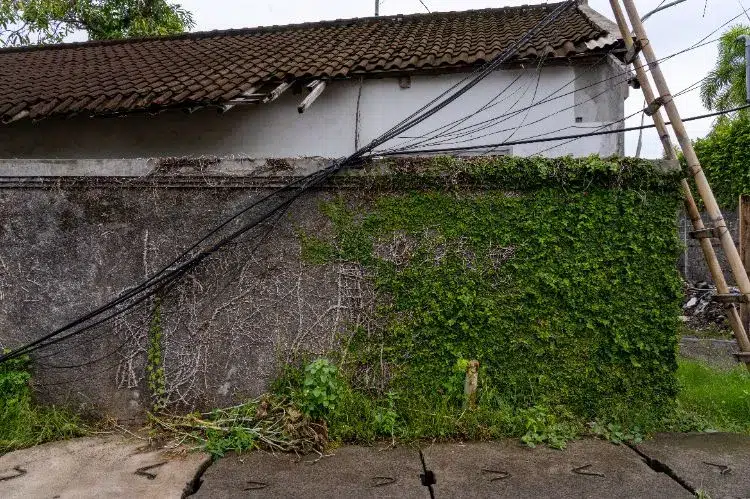
Why Should You Remove Ivy?
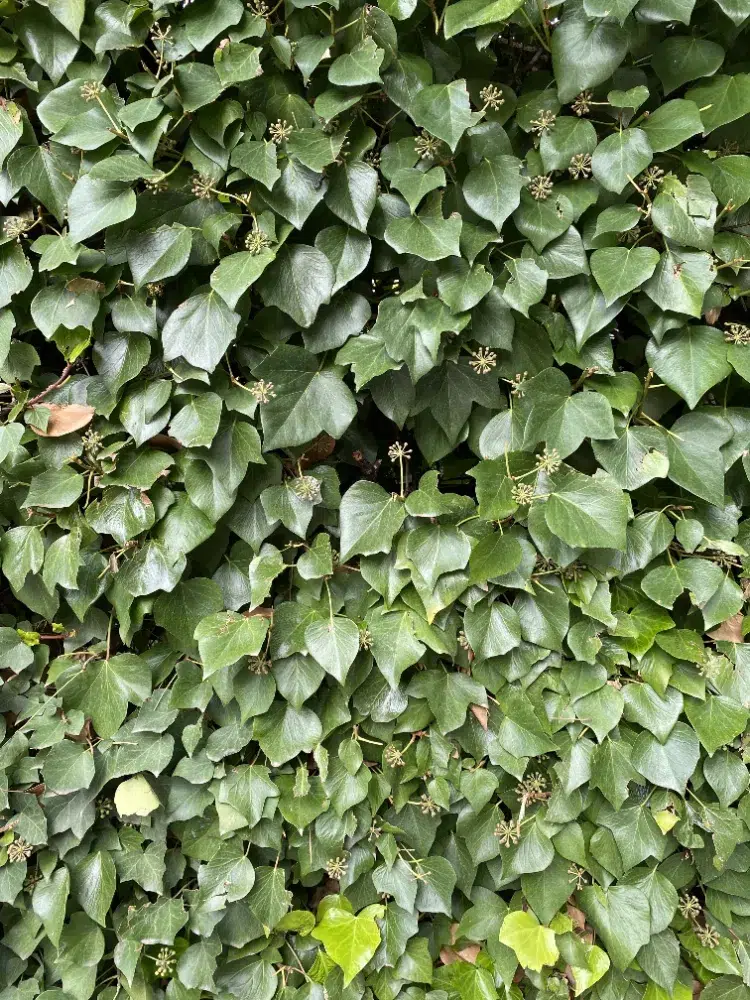
While ivy adds charm to outdoor spaces, its aggressive growth and evergreen leaves can cause a variety of problems, including:
- Structural Damage: Ivy clings to walls, fences, and roofs with crampons, which can damage walls or lift tiles.
- Invasive Growth: On aging trees, ivy can become overwhelming, threatening their survival.
- Smothering Plants: Ivy covers and monopolizes light, water, and nutrients, suffocating nearby plants.
- Reduced Biodiversity: Its growth can limit native plants and wildflowers, disrupting the ecosystem.
- Pests: Ivy can attract rodents and insects, creating additional challenges in your garden.
Given these issues, it’s often a good idea to manage or eliminate ivy growth. Let’s explore the most effective natural solutions to remove it.
Natural Tips to Eliminate Ivy
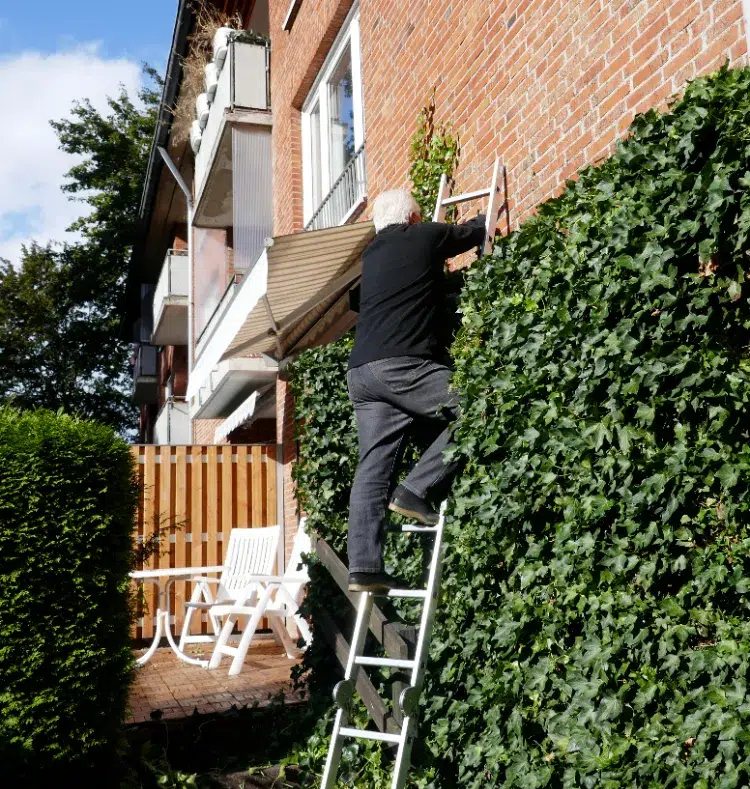
1. Cut and Remove Ivy by Hand
The most effective natural method involves manually cutting and removing the ivy. Follow these steps:
- Soften the Vines: Water the ivy with a garden hose to loosen its grip.
- Cut the Main Stem: Use pruning shears to cut the main vine at the base, flush with the ground. For larger, older vines, cut them in multiple places.
- Pull Secondary Stems: Gently pull on secondary stems to avoid damaging the surfaces they’re clinging to.
- Remove Crampons: Use a brush to scrub off any remaining crampons from walls or fences.
This method is time-consuming but ensures thorough removal of ivy from your garden.
2. Use Coarse Sea Salt
Salt is a natural herbicide that can weaken ivy roots. Here’s how to use it:
- Spread a large amount of coarse sea salt over the ivy roots.
- Let it sit for a few days to dehydrate and kill the plant.
- Use a weed whacker to cut back the ivy and then pull or rake out the roots by hand.
This approach requires patience but is highly effective against stubborn ivy growth.
3. Apply White Vinegar or a DIY Weed Killer
White vinegar is another natural solution to tackle ivy. Here’s what to do:
- Spray White Vinegar: Directly spray white vinegar on the leaves to weaken them. However, keep in mind its action on the roots is limited.
- DIY Weed Killer Recipe: For a more comprehensive solution, mix the following:
- Apple cider vinegar
- Dish soap
- 1 tablespoon of salt
- Combine these ingredients in a spray bottle and apply the mixture to the ivy leaves.
- Let It Sit: Leave the mixture on the ivy for about five days.
- Remove Dead Ivy: Once the plant has died, remove the remains by hand and dispose of them properly.
This eco-friendly solution is effective and minimizes harm to the surrounding soil and microorganisms.
Final Thoughts
Controlling ivy doesn’t have to involve harsh chemicals. By combining manual removal, natural remedies, and a bit of effort, you can keep this climbing plant in check and protect your garden.
Have you tried any of these natural methods? Let us know your favorite tip for dealing with ivy! 🌿


