Yes, you can compost corks! Corks are indeed compostable because they are made from natural materials, specifically the bark of the cork oak tree.

Here’s what you need to know about composting corks and some precautions to take:
- Verify the material: Ensure that the corks you are composting are made from real cork material and not synthetic materials like plastic. Synthetic corks will not break down in the compost and can contaminate it. You can check by cutting a cork in half; real cork will have a woody texture, while synthetic corks may have a uniform foam interior.
- Remove packaging: Before composting corks, make sure to remove any plastic or aluminum packaging attached to them.
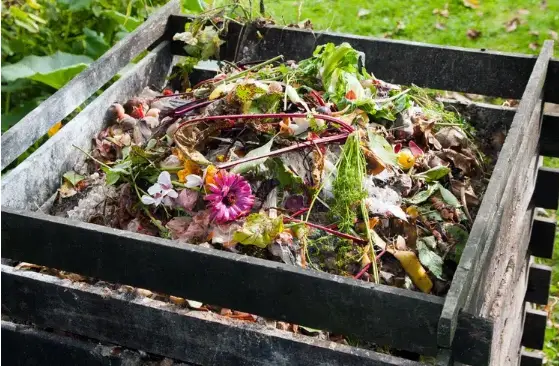
- Balance your compost: Corks are considered brown material in composting, so ensure you balance them with green material like vegetable scraps or grass clippings. This maintains the carbon-to-nitrogen ratio in your compost pile, promoting efficient decomposition.
- Cut into smaller pieces: To speed up the composting process, consider cutting the corks into smaller pieces before adding them to the compost pile. Smaller pieces have more surface area, allowing microbes to break them down faster.
- Mix well: Incorporate the corks evenly throughout your compost pile to ensure they decompose properly and prevent clumping.
By following these precautions, you can successfully compost corks and reduce your waste while enriching your compost with organic material.
Show Comments