
Kalanchoe is a striking succulent that enchants with its vibrant flowers and ease of care. While it’s commonly enjoyed as a potted plant indoors or on a veranda, you might wonder if it can also thrive planted directly in the ground. Let’s explore how you can successfully grow kalanchoe outdoors and ensure it brings a burst of color to your garden.
Can You Plant Kalanchoe in the Ground?
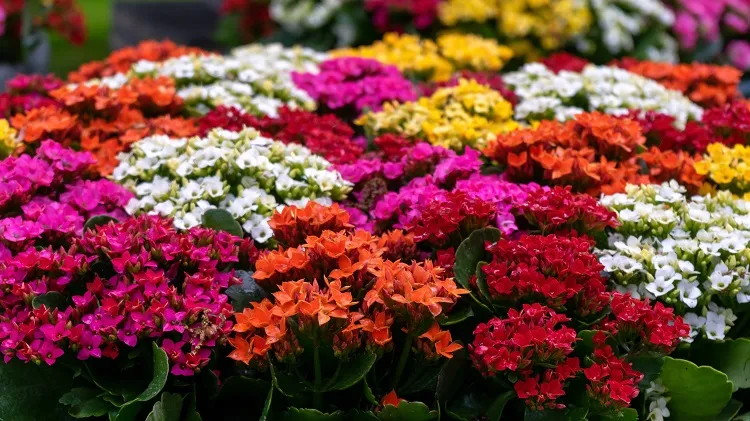
Kalanchoe, a tropical perennial succulent from Africa and Madagascar, is renowned for its stunning variety of flowers and foliage. Here’s what you need to know about planting it in the ground:
- Temperature: Kalanchoe thrives in temperatures between 15°C and 30°C. It is sensitive to cold and should not be exposed to temperatures below 10°C. In regions with harsh winters, it’s better to grow kalanchoe in pots and bring them inside during colder months.
- Exposition: Kalanchoe needs plenty of light to grow well. It prefers a location that gets full sun or partial shade, especially in areas with intense summer heat.
- Sun: Ensure the soil is well-drained, as kalanchoe is prone to root rot in excess moisture. Opt for sandy soil or a cactus mix to avoid waterlogging.
- Varieties to Plant: Some kalanchoe varieties are more suitable for outdoor planting. These include:
- Kalanchoe Blossfeldiana
- Kalanchoe Thyrsiflora (Elephant Ear)
- Kalanchoe Lucia
- Kalanchoe Daigremontiana (Mother of Thousands)
- Kalanchoe Fedtschenkoi (Lavender Scallops)
- Kalanchoe Tomentosa (Panda Plant)
How to Plant Kalanchoe in the Ground
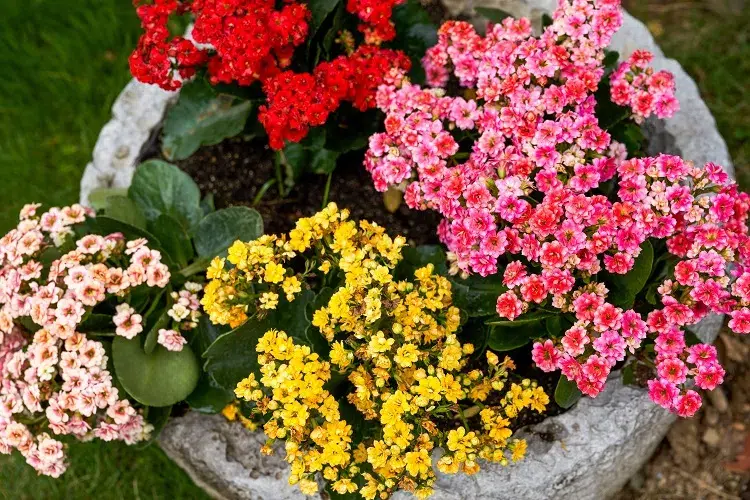
- Choose the Right Spot: Select a sunny location in your garden with well-drained soil. If your soil is heavy and clayey, mix in sand or gravel to improve drainage. Adding well-decomposed compost can also enhance soil fertility.
- Prepare the Soil: Dig a hole large enough to accommodate the kalanchoe’s roots. Place the plant in the hole, ensuring it’s at the same depth as it was in its pot. Fill the hole with the soil mixture, and press lightly to stabilize the plant.
- Watering: Water the plant generously after planting. Subsequently, water sparingly, allowing the soil to dry out between waterings. Overwatering can lead to root rot and fungal diseases, so it’s crucial to maintain good drainage.
Post-Planting Care
- Flower Maintenance: Remove spent flowers to encourage continuous blooming.
- Disease and Pest Control: Monitor the plant for signs of disease or pests. Kalanchoe can be susceptible to root rot if the soil remains too wet, so ensure proper drainage and avoid overwatering.
- Winter Protection: In regions where temperatures drop below 10°C, protect kalanchoe with mulch or a winter fleece to shield it from the cold.
- Fertilizing: Occasionally use a special kalanchoe fertilizer to boost growth and flowering.
By following these guidelines, you can successfully plant kalanchoe in your garden and enjoy its vibrant colors throughout the growing season. This adaptable succulent can add a delightful splash of brightness to your outdoor space with minimal care.


