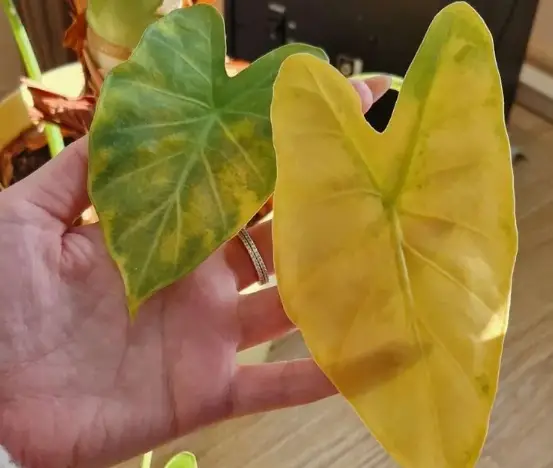
To address the issue of taro leaves turning yellow, it’s crucial to understand and address the underlying causes. Here’s a breakdown of potential reasons and how to remedy them:
1. Watering Problems:
- Taro plants require consistent moisture, but soggy soil can lead to root rot, hindering the plant’s ability to absorb nutrients and oxygen. Ensure the soil is moist but not waterlogged.
- Water taro plants about two to three times per week, adjusting frequency based on temperature, humidity, and soil moisture levels.
2. Nutritional Deficit:
- Yellowing leaves can also result from a lack of essential nutrients. Consider transplanting the taro plant into nutrient-rich soil or supplementing with a natural fertilizer.
- Use a peat-based mixture with perlite, vermiculite, or sand to provide adequate drainage and nutrient retention.
3. Common Diseases and Pests:
- Pest infestations, such as spider mites, can cause yellowing leaves. Inspect the plant regularly for signs of pests, including webbing or tiny insects on the leaves.
- If pests are present, remove infected leaves and treat the plant with natural antifungal products. Diluted hand sanitizer or alcohol can be used to manually clean the leaves.
Prevention Measures:
- Maintain regular inspection of taro leaves for signs of disease or pests. Promptly address any issues to prevent further damage.
- Provide proper care and attention to the plant, including adequate watering, nutrient supplementation, and pest management.
- Implement preventive measures, such as maintaining optimal growing conditions and practicing good hygiene to minimize the risk of yellowing leaves.
By addressing these factors and implementing preventive measures, you can help restore the health and vitality of your taro plant, reducing the incidence of yellowing leaves and promoting robust growth.
Show Comments


