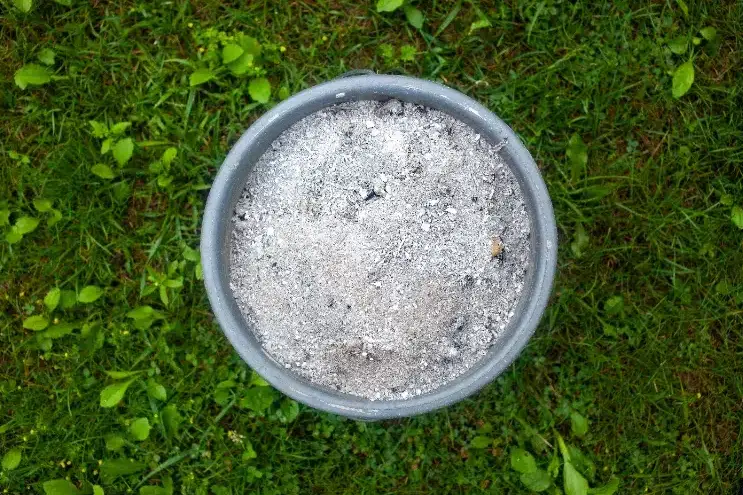
Every gardener seeks effective methods to combat weeds, and wood ash often emerges as a potential solution. But does ash really kill weeds, and how should you use it?
Let’s explore practical tips and advice for using wood ash in your garden.
Does Ash Kill Weeds?

Wood ash contains potassium, silica, and magnesium, which are beneficial for plants. When used in moderation, ash can inhibit weed growth by altering the pH of the soil and creating unfavorable conditions for weeds. Additionally, wood ash can dry out moss, further suppressing weed growth. However, it’s essential to apply ash correctly to avoid damaging plants or the soil.
How to Weed with Ash
To effectively use wood ash as a weed suppressor, apply it at the base of unwanted plants or sprinkle it around desired plants. This method inhibits weed growth and can prevent the appearance of new weeds over time. It’s crucial to maintain proper proportions when applying ash to prevent soil disturbance and ensure the well-being of your garden. Use untreated wood ash, free from contaminants like glue, colored paper, or plastic. Fresh ash is preferable over mineral coal ash, which can be toxic to plants.
When to Put Ashes in the Garden

The best time to apply wood ash in the garden is at the end of winter or the beginning of spring. During this period, ashes are soluble and less likely to be washed away by heavy rains. Apply ash to bare ground to prevent the formation of a crust that could impede air circulation. Spread the ash evenly over the soil surface, avoiding concentrated areas.
Is it Good to Put Ash on the Lawn?
While wood ash can help combat moss and fungal growth in lawns, it does not contain nitrogen, which is essential for plant growth. However, ash can correct soil acidity and improve water drainage, reducing the risk of moss formation. Apply wood ash sparingly on the lawn to avoid adverse effects on grass health.
How to Use Wood Ash in the Vegetable Garden

In the vegetable garden, wood ash can benefit crops like tomatoes, cucumbers, beans, eggplants, potatoes, turnips, carrots, strawberries, and raspberries. Scatter ash among the vegetables in spring to neutralize soil acidity and promote flowering and fruiting. Additionally, create a slurry of ash and water to apply along the trunks of fruit trees, helping to smother pests and strengthen the tree base.
In conclusion, wood ash can be a valuable tool for weed control and soil improvement in your garden when used correctly and in moderation. By following these practical tips and advice, you can harness the benefits of wood ash while maintaining a healthy and thriving garden ecosystem.


