
Gardening during a heatwave presents unique challenges. High temperatures and low humidity can stress plants and make it difficult to maintain a healthy garden. Adapting your gardening practices is essential to protect your plants while conserving water resources. Here’s a comprehensive guide on how to effectively manage your garden during a heatwave.
Understanding Heatwaves
A heatwave is defined by prolonged periods of excessively high temperatures, typically above 33°C (91°F) during the day, with nighttime temperatures not falling below 20°C (68°F). When combined with drought conditions, these high temperatures can severely impact your plants. Before you consider adding heatwave-resistant plants, follow these practical tips to safeguard the ones you already have.
Protect Your Plants!
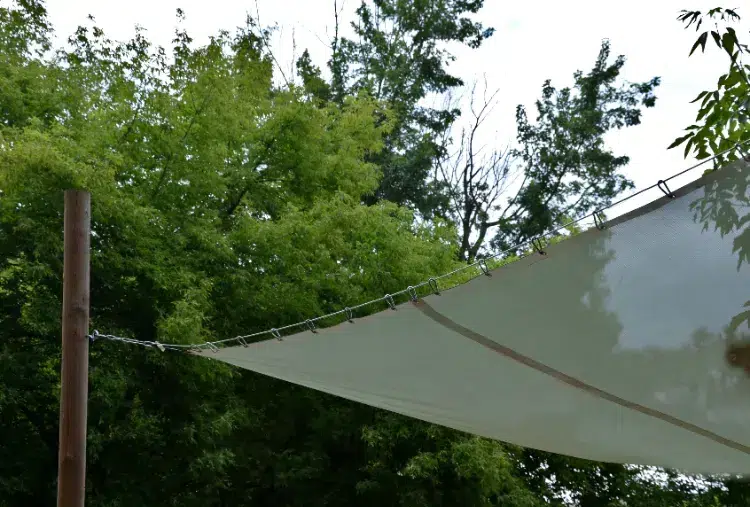
- Create Shade: Providing shade is crucial to protect your plants from direct sunlight. Use upside-down crates for smaller plants, as they allow air circulation while filtering the sun. For taller plants, consider installing shade tunnels or metal tunnels covered with burlap to shield them from intense sunlight. If time is tight, use a shade cloth or a homemade shade sail to cover your plants directly.
- Shade Solutions for Ornamental Gardens:
- Place a screen between delicate plants and the sun, adjusting it as needed throughout the day.
- Create a temporary reed screen to offer shade during the hottest hours.
- Use a parasol in the middle of flower beds for immediate shade.
- Improvise with a veil made from an old sheet and string to provide temporary relief.
Hoe Before Watering!
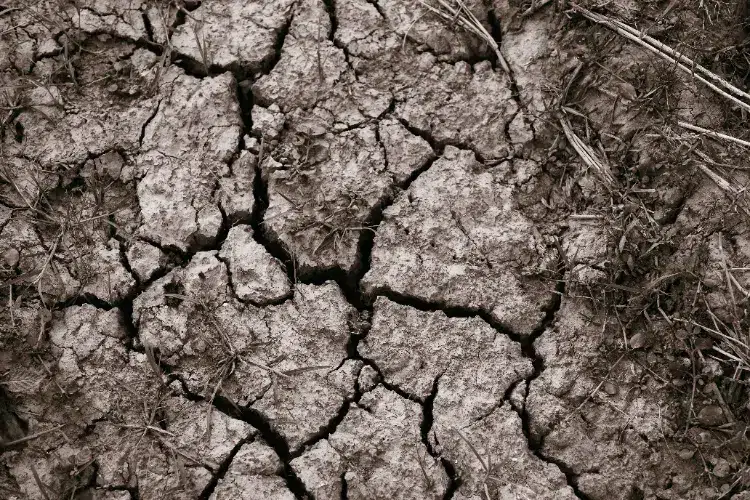
Hoeing is a vital practice during a heatwave. It breaks up the soil crust that forms in dry conditions, allowing water to penetrate more effectively. By hoeing before watering, you enhance water absorption and reduce evaporation losses. Additionally, hoeing helps to remove weeds that compete with your plants for moisture and nutrients.
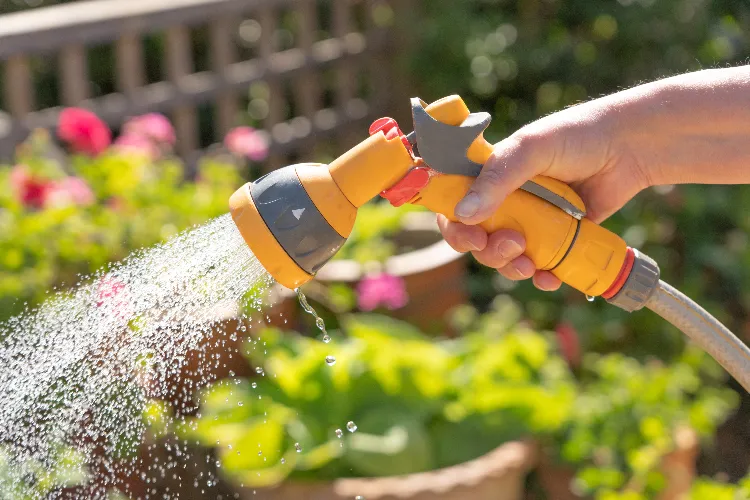
Watering Techniques During Heatwaves
- Water Efficiently: During a heatwave, plants require more water due to increased evaporation. Water your garden at nightfall to minimize evaporation losses and ensure the water reaches the roots effectively. Morning watering has become less effective due to rapid evaporation caused by daytime heat.
- Watering Schedule: If faced with water restrictions, water every 3 days rather than daily. Ensure the watering is thorough so that the water penetrates deeply into the soil. Avoid excessive watering of lawns, as they will recover with the first rain. Focus on maintaining the health of your garden plants, and minimize foot traffic on the lawn during this period.
Conclusion
Gardening during a heatwave requires thoughtful adjustments to protect your plants and manage water usage effectively. By creating shade, hoeing before watering, and adjusting your watering techniques, you can help your garden thrive despite the challenging conditions. Share your own tips and experiences with us on our Facebook page, and check out our article on natural fertilizers to rejuvenate your garden after a heatwave. Stay informed and keep your garden resilient!


