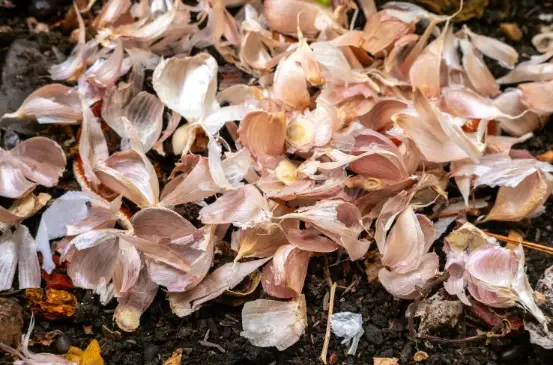
While garlic and onion can be beneficial additions to compost due to their nitrogen content, there are certain foods that should not be put in the compost. Here’s a list of foods to avoid composting:

- Meat and Fish: These protein-rich foods can attract pests and create unpleasant odors in the compost. They also require higher temperatures to break down properly.
- Dairy Products: Dairy items like milk, cheese, and yogurt can also attract pests and produce foul smells as they decompose. Avoid adding these to your compost pile.
- Fats, Oils, and Grease: These substances can coat the organic matter in the compost pile, making it difficult for air and water to penetrate. They also take a long time to decompose and can cause odor issues.
- Citrus Peels: While small amounts of citrus peels are fine, large quantities can make the compost too acidic, slowing down the decomposition process. It’s best to limit the amount of citrus peels added to compost.
- Bones: Bones are slow to decompose and can attract pests to the compost pile. Avoid adding bones from meat or fish to your compost.
- Weeds with Seeds: Weeds that have gone to seed should not be added to compost, as the seeds may survive the composting process and germinate when the compost is used in the garden, leading to weed problems.
- Pet Waste: Pet waste can contain pathogens that are harmful to humans and plants. It’s best to avoid adding pet waste to compost piles that will be used in vegetable gardens or other areas where food is grown.

By avoiding these foods in your compost pile, you can help maintain a healthy and efficient composting process while minimizing odors and pest issues.
Show Comments


