
Despite being one of the most dangerous snakes in France, the viper is a fascinating subject of study. Have you ever wondered how vipers reproduce? Do they lay eggs, or is their reproductive process different? Read on to discover everything you need to know about these venomous snakes and their reproductive habits, which might even be relevant if you encounter them in your garden!
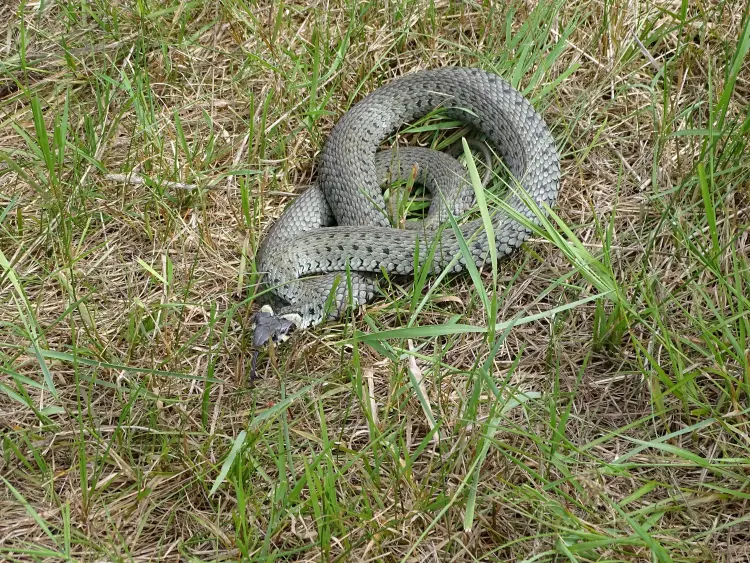
How to Recognize a Viper
Before delving into viper reproduction, it’s crucial to distinguish them from other snakes. Vipers are the only venomous snakes in metropolitan France, making them particularly notable among dangerous reptiles. Here’s how to identify them:
- Coloration: Males are typically silvery gray, while females can range from brown to copper. Both sexes feature a distinctive black zigzag pattern on their backs.
- Size: Adults can grow between 60 and 80 cm in length.
What Is the Difference Between a Snake and a Viper?
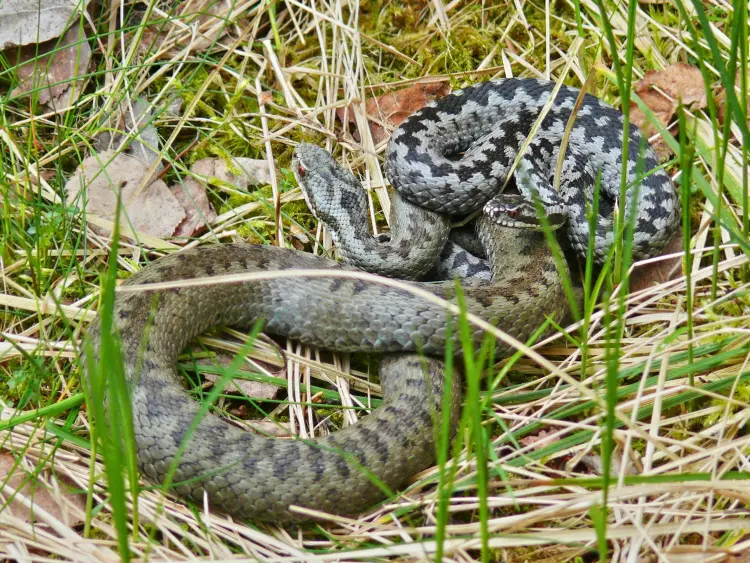
Vipers are indeed a type of snake, but they differ from non-venomous species like the grass snake. Key differences include:
- Head Shape: Vipers have larger and wider heads compared to grass snakes.
- Pattern: Vipers display a characteristic zigzag stripe, whereas grass snakes are typically green-gray with black stripes and lack this pattern.
It’s important to note that grass snakes are not venomous and pose no threat to humans.
How Do Vipers Reproduce?
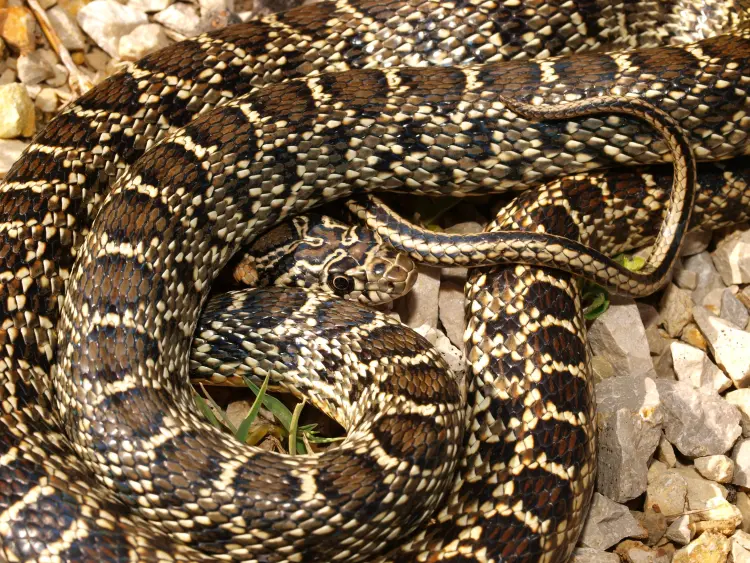
Understanding viper reproduction can be particularly interesting if you encounter these snakes in your garden. Here’s a detailed look at their reproductive process:
- Mating Season: Vipers mate from spring to early summer. During this time, males may travel long distances following the scent of females.
- Combat: Male vipers may engage in combat for mating rights, raising their heads and bodies, circling each other, and trying to knock their rival to the ground. The snake that falls is deemed the loser.
Once a male successfully finds a female, the following occurs:
- Post-Mating: After mating, the pair will stay together for several days.
- Reproduction: Vipers do not lay eggs. Instead, after mating, the female retains the fertilized eggs inside her body for 3 to 4 months. She gives birth to 3 to 20 young vipers encased in a thin, transparent sac. The young must emerge from this sac and begin life by hunting insects such as spiders or worms.
- Lifespan: Vipers typically live up to 10 years.
What Eats Vipers? What Attracts Them to Our Gardens?
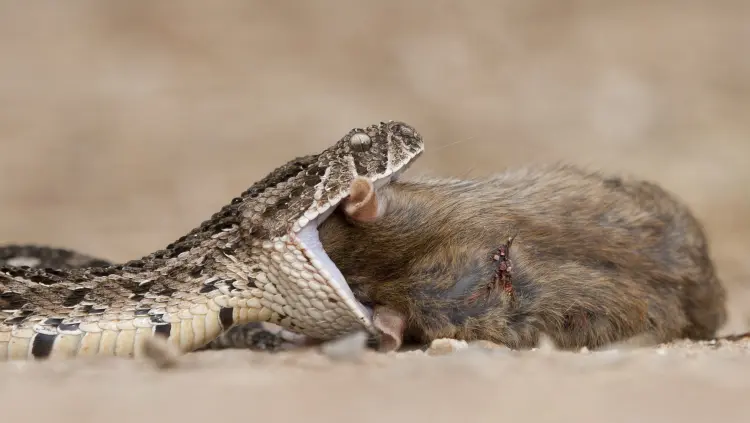
Encountering a viper in your garden might seem alarming. What attracts them and what do they eat?
- Diet: Vipers have a varied diet that includes insects, centipedes, small birds, rats, mice, fish, and even other reptiles. They remain still for extended periods while hunting and use their venom to immobilize their prey.
- Attraction: Tall vegetation and areas with abundant small animals can serve as attractive shelter and food sources for vipers.
By understanding how vipers reproduce and what attracts them, you can be better prepared for encounters with these fascinating creatures. Keep this information in mind to stay informed and safe while enjoying your garden! 🌿🕷️


