
Peonies are undoubtedly among the most stunning flowers you can cultivate in your garden. Their vibrant blooms bring beauty to any landscape, making them a favorite for many gardeners. However, to ensure that your peonies continue to shine year after year, it’s essential to know how to care for them after flowering. In this article, we’ll guide you through the importance of pruning, the best time to prune your peonies, and the essential tools needed for the task.

Key Points to Remember
- The Importance of Pruning Peonies After Blooming
- The Best Time to Prune Peonies
- Essential Tools for Pruning Peonies
The Importance of Pruning Peonies After Blooming
Pruning your peonies is a vital step in maintaining their health and encouraging new growth. This process involves removing dead, damaged, or unproductive parts of the plant to foster better development and more abundant blooms. Here are a few benefits of pruning peonies:
- Stimulate New Growth: Removing unwanted stems and leaves allows the plant to focus its energy on producing new shoots.
- Maintain Plant Structure: Regular pruning helps keep the plant’s structure intact and prevents it from becoming too overgrown or tangled.
- Prevent Diseases and Pests: By eliminating dead or diseased parts, you reduce the risk of infection and pest infestations.
- Aesthetic Appeal: Pruning helps maintain a neat and attractive appearance, ensuring that your peonies look their best.
In short, pruning peonies is essential for promoting healthy growth, reducing the risk of disease, and ensuring the plant maintains its beautiful form.
When to Prune Peonies?
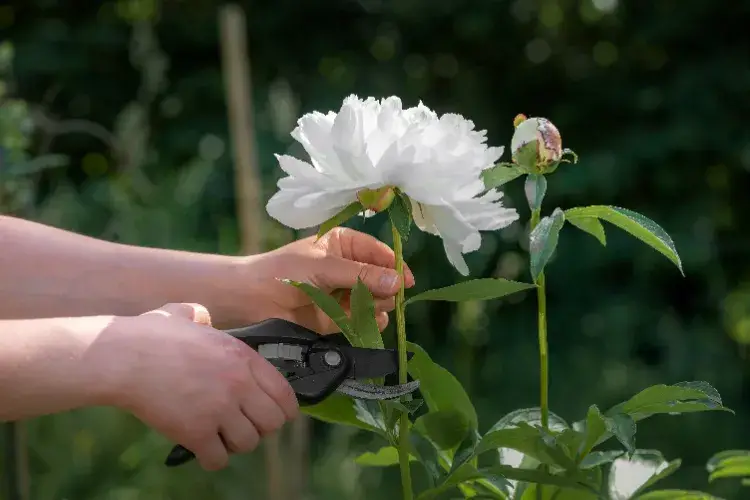
The ideal time to prune your peonies is when the plant has gone dormant, usually in late fall or early winter. After the leaves fall off, your peony is entering its rest period, making this the perfect time to prune without interfering with future growth. Here are some signs that indicate it’s time to prune your peonies:
- Dead or Damaged Stems: Look for dry, brown, or damaged stems that need to be removed.
- Overcrowding: If your plant has become too dense or tangled, pruning will help maintain its structure.
- Reduced Flower Production: If your peonies aren’t producing as many blooms as they used to, it’s a sign that some non-productive stems should be removed to encourage more flowers.
While pruning is important, don’t forget to water your peonies regularly to keep the soil moist. Also, be sure to remove weeds around your plants to help maintain a comfortable growing environment. These simple steps will ensure your peonies thrive year after year.
Bonus: Essential Tools for Pruning Peonies
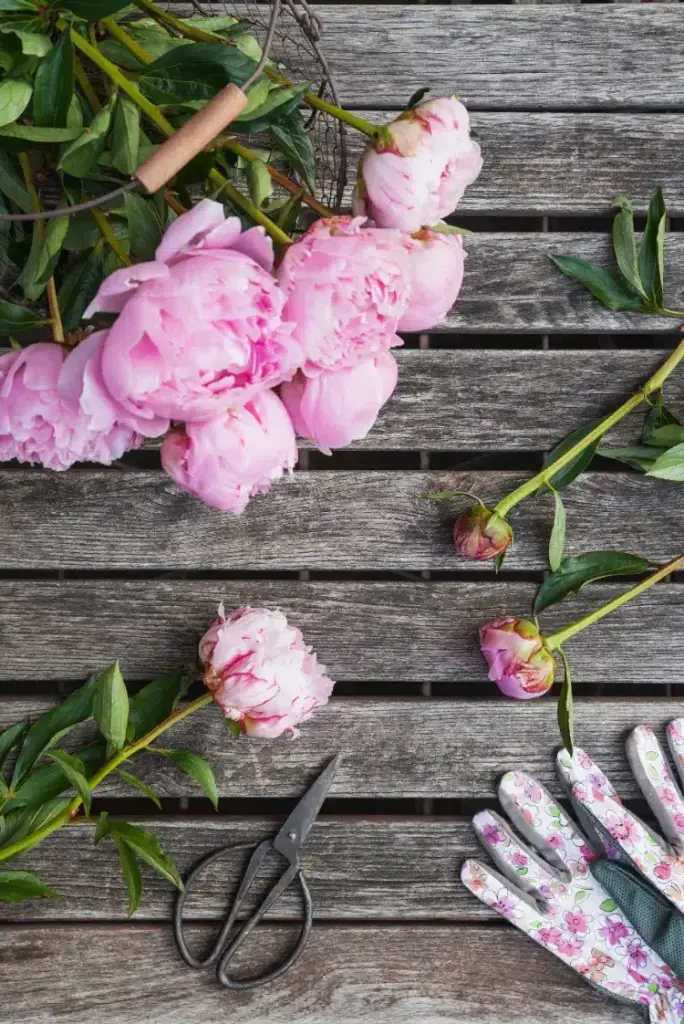
To ensure a clean, efficient pruning process, it’s crucial to have the right tools on hand. Here are the essential tools you’ll need to properly care for your peonies:
- Sharp Pruning Shears: These are necessary for cutting through thick stems and dead branches with clean, precise cuts.
- Gardening Gloves: A pair of durable and comfortable gloves will protect your hands from thorns and sharp edges, making handling the peonies safer.
- Long-Handled Pruners: These are helpful for reaching high or far-reaching stems without excessive bending or stretching.
Remember, always disinfect your tools before and after use to prevent the spread of diseases. A proper disinfectant will help keep your tools hygienic and in good condition, extending their lifespan.
Conclusion
Pruning your peonies after flowering is an essential practice for maintaining their health and ensuring beautiful blooms year after year. By understanding the importance of pruning, knowing when to prune, and using the right tools, you can help your peonies flourish in your garden. Follow these simple yet effective tips, and your peonies will continue to add charm and beauty to your landscape for many seasons to come!


