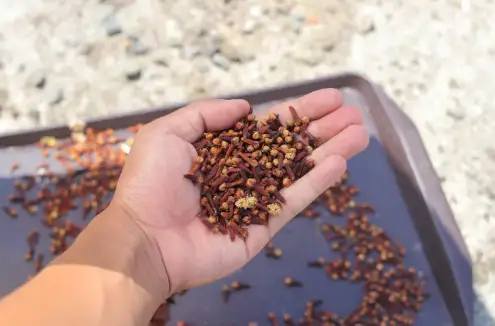
How to Germinate Cloves at Home? When and How to Plant and Grow a Clove Tree?
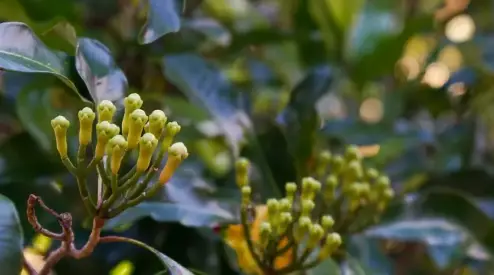
Where do cloves grow? Clove trees, native to Indonesia, are tropical evergreen trees that thrive in warm climates. They are cultivated in various countries such as Kenya, Sri Lanka, and Mexico. The tree produces small, red, clustered flowers with a delightful aroma that attracts pollinating insects.
How to Germinate Cloves at Home? To germinate cloves, follow these steps:
- Fresh Seeds: Cloves are not exactly seeds; they are immature flower buds. Obtain fresh seeds by soaking them in water for 3 days or keeping them inside the flower.
- Planting: Sow the fresh seeds lightly on the surface of moist, well-nutritious potting soil, similar to that used for orchids. Do not push them into the ground; let them germinate on the soil surface in compostable pots.
- Greenhouse Effect: Cover the seedlings with a transparent lid to create a greenhouse effect. The temperature for germination should be around 30 degrees Celsius during the day and 15 degrees Celsius at night.
- Patience: Cloves will germinate in 21 to 84 days under the right conditions. Be patient.

When to Plant Cloves?
- If starting indoors, plant 4 to 6 weeks before the last winter frost.
- Outdoors, plant seedlings after the danger of frost has passed.
- Transplant seedlings into the ground or a larger pot six months or more after they grow.
How to Grow Cloves? Follow these tips for successful clove tree cultivation:
- Soil: Clove trees prefer rich soil with good drainage and plenty of organic matter.
- Watering: Water regularly, especially in hot weather. Vaporizing the plant is recommended to maintain humidity.
- Fertilization: Use compost, fish, or bone meal for fertilization. Once seedlings are well-grown, start using potassium sulfate fertilizer. For mature trees, double the quantity of fertilizer in summer.
- Patience: Clove trees take at least 6 years after planting to produce seeds for harvest.

Growing cloves at home requires attention to detail and patience, but the aromatic and medicinal benefits make it a rewarding endeavor.
Show Comments


