
Baptisia australis, commonly known as Blue False Indigo, is a striking perennial native to North America, celebrated for its durability and vibrant blooms. If you’re looking to cultivate this beautiful plant, here’s a comprehensive guide to its growing requirements, from sowing to maintenance.

How to Grow Baptisia australis
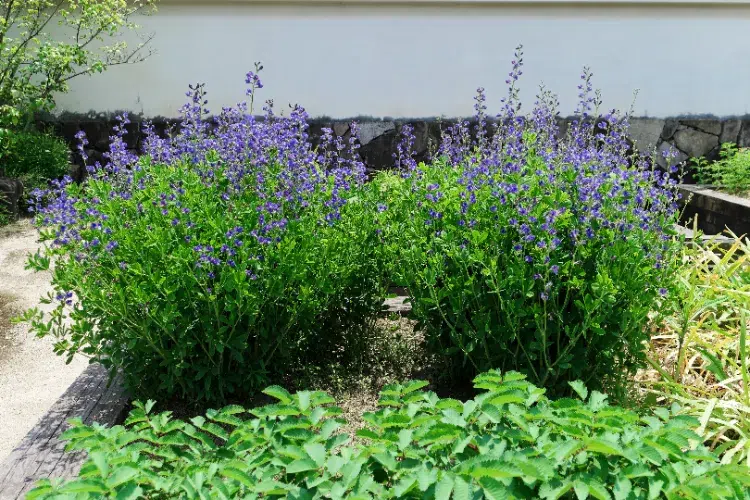
Baptisia australis is renowned for its longevity and hardiness. This perennial can thrive for up to a century, making it a wonderful addition to any garden. Mature plants typically reach about 1 meter in height and width, though in nutrient-rich soil, they can grow even taller. In early summer, Baptisia australis produces clusters of blue-grey, lupine-like flowers that attract bees and butterflies, offering a stunning display that lasts for about three weeks.
How to Plant Baptisia australis
1. Sowing Seeds:
- Seed Preparation: Baptisia seeds have a hard outer shell that can impede germination. To improve results, scarify the seeds by rubbing them with sandpaper or making shallow cuts with a knife. Alternatively, soak the seeds in hot water overnight.
- Sowing Time: The best times to sow Baptisia seeds are spring (March to June) or autumn (September to October). Seeds should be sown while fresh for optimal germination.
- Planting Procedure: Fill a pot with potting soil and sow the seeds on the surface. Cover lightly and water well. Maintain a temperature of around 20°C (68°F). Seeds typically germinate in 2 to 4 weeks.
2. Using Cuttings:
- Cuttings: Another method is to propagate via cuttings taken in early spring. Ensure the cuttings are long enough to have at least one set of leaf buds below the soil surface.
When to Sow Baptisia Seeds
Baptisia seeds are best sown when they are still fresh. Since their outer shell is quite thick, germination can be challenging. Scarifying or soaking the seeds helps overcome this barrier. After sowing, keep the soil moist and warm to support germination.
How to Propagate Indigo Lupin
Baptisia australis does not divide well, so propagation is generally done by seed. Collect ripe seeds when the pods turn black and begin to open. Sow these seeds directly into the ground, and be prepared to wait about three years for the plants to reach a height of around 30 cm (12 inches). Growth will then accelerate. Many nurseries offer three-year-old plants, providing a quicker route to a mature garden display.
Maintenance Tips
- Soil: Baptisia thrives in well-drained soil and prefers full sun to partial shade.
- Watering: This plant is relatively drought-tolerant once established. Water moderately but avoid waterlogging.
- Fertilizing: Baptisia generally does not require heavy fertilization. However, a light application of compost in the spring can support growth.
- Pruning: After flowering, you can cut back the spent blooms to encourage new growth and maintain a tidy appearance.
With the right care, Baptisia australis can become a stunning and enduring feature of your garden, providing years of beauty and attracting beneficial insects.


