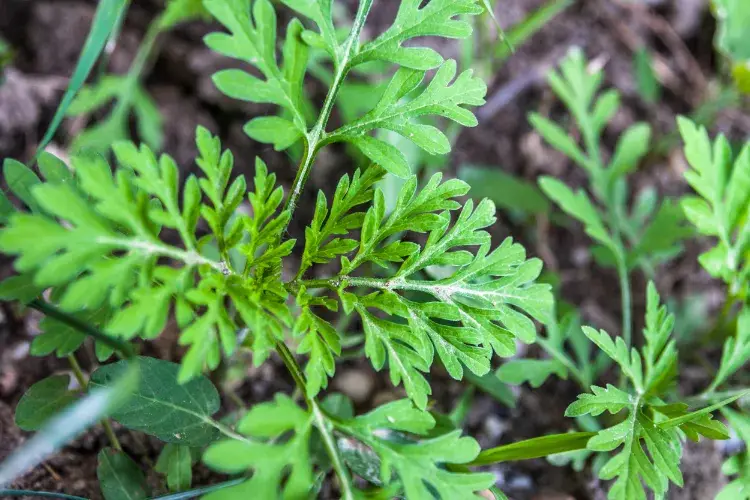
Ragweed is an invasive plant from the sunflower family, native to North America. It has a strong dispersal capacity and is increasingly spreading in our regions. Ragweed thrives in spring, particularly in areas with little competition, such as cereal stubble and newly planted meadows. As an allergenic plant that poses health risks, it’s crucial to know how to identify and avoid ragweed. Read on to learn more!

Key Points Summarized
- Characteristics of ragweed
- The 3 varieties of ragweed
- Good reflexes to protect yourself from ragweed
How to Identify and Avoid Ragweed
In France, there are three species of ragweed to be aware of: Common Ragweed, Giant Ragweed, and Smooth-spiked Ragweed. All three are invasive plants from North America capable of rapid growth in various environments. Their pollen can trigger strong allergic reactions in sensitive individuals, making ragweed a threat to both agriculture and biodiversity.
How to Recognize the 3 Types of Ragweed
- Common Ragweed (Ambrosia artemisiifolia L):
- An annual plant with spring-summer germination and rapid growth.
- Can reach more than 1 meter in height when flowering.
- Giant Ragweed (Ambrosia trifida):
- Also an annual plant with similar germination and growth patterns.
- Can grow up to 4 meters tall when flowering, distinguishing it from other types.
- Smooth-spiked Ragweed (Ambrosia psilostachya):
- A perennial plant that primarily reproduces vegetatively through suckers.
- Can reach 2 meters in height during flowering.
How to Protect Yourself from Ragweed
Individuals play a vital role in combating the proliferation of ragweed in their gardens. Here are some essential tips:
- Prevent Ragweed Appearance: Limit soil movement and establish a plant cover on bare or fallow land to prevent this unwanted plant from settling.
- Remove Ragweed: If you spot ragweed in your garden, it’s crucial to destroy it to prevent pollen emission and reduce seed stocks in the soil.
Reflexes to Adopt:
- Regularly check around your home for ragweed plants before they flower.
- Tear them out if you see any.
Safety Precautions:
When pulling up ragweed, protect yourself to avoid allergic reactions. Wear gloves, goggles, and a mask if you are sensitive. For those with allergies, it’s best to let someone else handle the removal. Reducing ragweed flowering helps protect the health of your loved ones and future generations.
Community Involvement
Municipal agents are required to destroy ragweed in affected regions under a prefectural decree. Other contributors to this fight include:
- Large linear managers
- The agricultural sector
- The construction industry
By being vigilant and taking action against ragweed, we can help protect our health and environment!


