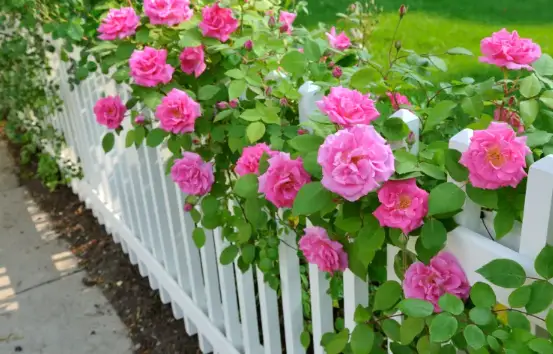
Rose bushes are among the most stunning flowering shrubs in any garden, but maintaining their beauty requires consistent care. If you’re wondering how to keep your rose bush in bloom this summer and extend its flowering period, here are five essential tips.

1. Watering: The Key to Prolonged Blooming

Proper watering is crucial for boosting and prolonging your roses’ blooms. While roses don’t require excessive water, they should be watered regularly and deeply at least twice a week during hot weather. Avoid frequent, shallow watering, as this can lead to fungus and poor drainage. Consider adding mulch with dead leaves or wood chips around the base of the plants to retain moisture and improve drainage.
2. Fertilization to Extend the Flowering Period

Fertilizing your rose bush is another vital step for maintaining its health and vibrancy. Use a balanced fertilizer at the beginning of the season or after deadheading to provide the energy needed for new shoots. Remember to water your plants well each time you apply fertilizer to help it integrate into the soil.
3. Combat Fungal Diseases

To effectively care for your blooming rose bush, it’s essential to prevent fungal diseases. Roses are susceptible to issues like powdery mildew and black spots, which can ruin their health and flowering. If you notice any diseased parts, promptly cut them off and apply a suitable treatment. Always disinfect your gardening tools and avoid wetting the foliage when watering to minimize disease risk.
4. Keep Parasites at Bay

While we love our roses, pests are equally fond of them! Regularly inspect your plants for signs of infestation and act quickly if you notice any issues. For prevention, consider planting marigolds or encouraging ladybugs, which are natural predators of aphids. As my grandmother always advised, start with the least harmful and most natural pest control methods before resorting to stronger treatments.
5. Remove Faded Flowers After the First Bloom

Most rose varieties benefit from having their faded flowers removed after the first bloom, typically in mid-summer. This simple task encourages new growth. Cut the stems of the faded flowers down to the second or third green leaf, similar to cutting flowers for a bouquet. However, stop removing spent flowers 3 to 4 weeks before the first frost date in fall to prevent encouraging new blooms that may be damaged by the cold.
By following these five tips, you can enjoy a thriving, blooming rose bush all summer long!