
The sansevieria, also known as the snake plant, is an incredibly popular indoor plant due to its decorative vertical foliage and ease of care. While it’s mainly known for its resilience and air-purifying qualities, many plant owners wonder: Can a snake plant flower? The answer is yes, but flowering is quite rare and requires specific care conditions. Here’s how you can increase the chances of your sansevieria blooming and enjoy its sweet vanilla-scented flowers.
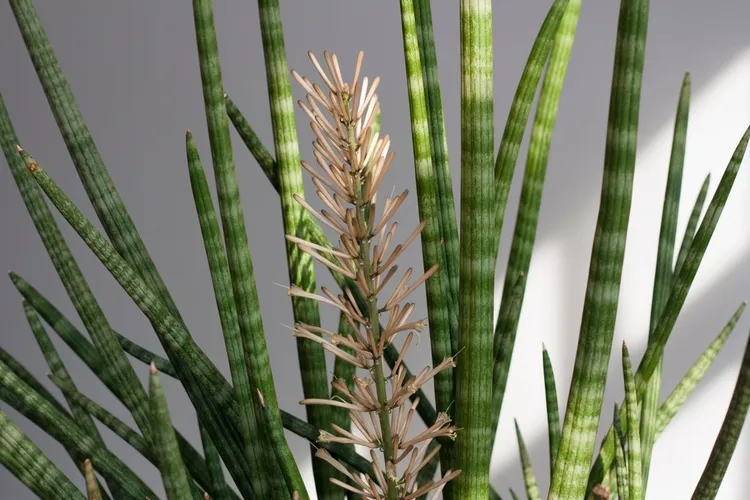
Can Snake Plants Flower?
Surprisingly, yes! Snake plants can produce fragrant flowers, but this happens only under the right conditions and typically after many years of growth. The flowers are small, usually in yellow-green or white, and are similar to honeysuckle blooms. They grow in clusters and open at night, releasing a pleasant vanilla scent that perfumes your home. Flowering occurs mainly in spring or summer, and it’s more common in older plants.
However, it’s important to note that not all sansevieria varieties are capable of flowering. The most common varieties that bloom include:
- Dracaena trifasciata
- Dracaena gracilis
- Dracaena longiflora
- Dracaena patens
- Dracaena cylindrica
- Sansevieria zeylanica
How to Make a Sansevieria Bloom?
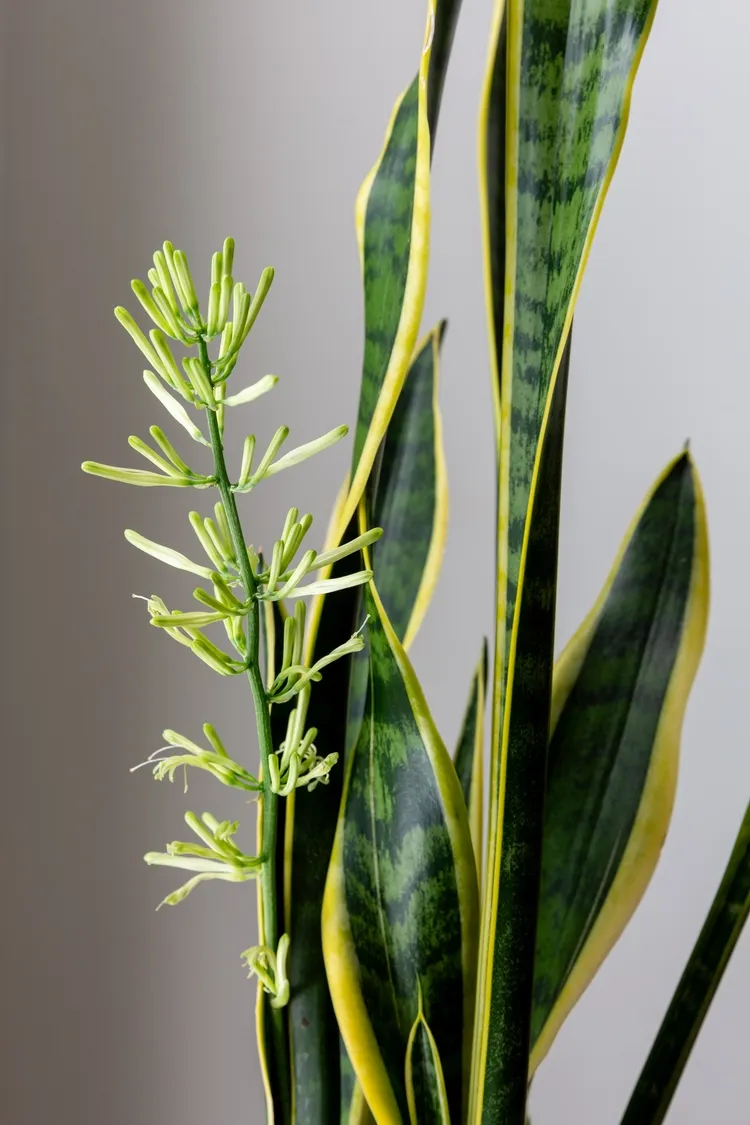
While the chances of your sansevieria blooming may remain low, it’s certainly possible with the right care. Follow these essential steps to increase your plant’s chances of producing flowers:
1. Provide Enough Light
Although sansevierias are known for thriving in low-light conditions, they need plenty of light to flower. To encourage blooming, place your plant in a spot that gets up to 6 hours of indirect light per day. A sunny windowsill works well, but if that’s not an option, grow lights can also be an effective alternative. You can even move the plant outside during the warmer months, but avoid cold temperatures at night.
2. Make Fertilizer Contributions
Proper fertilization is key to promoting both growth and flowering. Begin fertilizing your sansevieria in early spring when the plant starts growing. Use a fertilizer designed for green plants or cacti and apply it every 3 weeks. Make sure to follow the manufacturer’s instructions carefully. Stop fertilizing in fall and winter when the plant goes dormant.
3. Be Careful with Watering
Sansevierias are highly tolerant of drought and don’t require frequent watering. In fact, overwatering is one of the most common mistakes and can lead to root rot, which may prevent your plant from flowering. Allow the soil to dry out completely before watering again—typically once a week during the growing season. In the winter, water even less, as the plant is resting. Water around the collar of the plant and ensure excess water drains away to avoid root damage.
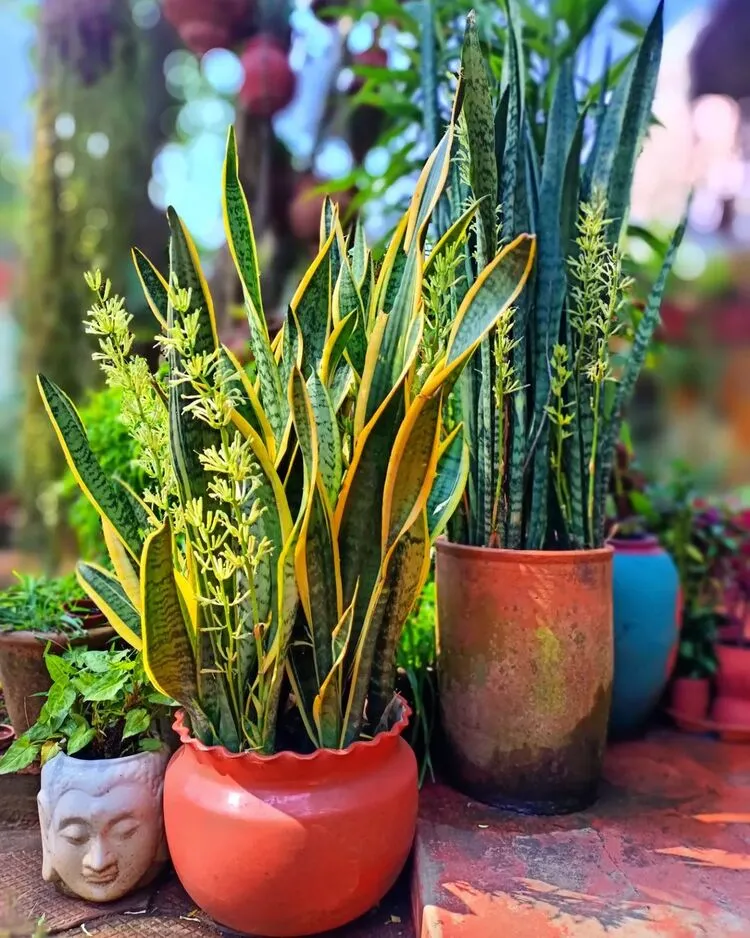
A Few Final Tips:
- Be patient: Younger sansevierias may not flower, and stressing them could harm the plant. Allow them to mature before expecting blooms.
- Avoid over-fertilizing: Excessive feeding can damage the plant, so follow the fertilizing schedule and adjust as needed.
- Create a comfortable environment: Ensuring that your snake plant is well-cared for will help it reach its full potential, both in size and beauty.
With the right care, you can increase the chances of your sansevieria blooming and enjoy its stunning flowers and soothing scent! 🌸


