
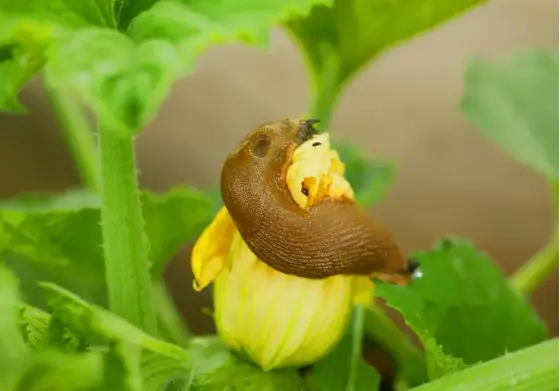
Dealing with slugs in the garden is a challenge for many gardeners. These slimy creatures invade vegetable patches and feast on the leaves of a variety of crops. While slugs do play a role in the ecosystem by breaking down organic matter, they often cause more harm than good in a garden setting. Fortunately, there are sustainable natural solutions to help keep slugs under control. In this article, we’ll explore several methods to create effective slug traps and protect your plants!

Beer Trap
A beer trap is one of the simplest and most effective ways to attract and eliminate slugs. Here’s how it works:
- Bury a small dish in the ground, making sure the rim is level with the soil.
- Pour beer into the dish. Slugs are irresistibly attracted to the smell of hops, and they will crawl into the dish and likely drown.
This method is a great way to lure slugs away from your plants while keeping your garden free of harmful pests.
Eggshells
Crushed eggshells are another natural solution to keep slugs at bay. Slugs dislike moving across sharp surfaces, making eggshells a fantastic deterrent. Here’s how to use them:
- Crush the eggshells into small pieces of various sizes.
- Scatter the crushed eggshells around the base of your plants, pots, or fruit.
The sharp edges will discourage slugs from crossing them, helping to protect your garden without the use of chemicals.
Use of Pellets
While pellets can be an effective method for slug control, they are best used when natural methods are not enough. Lima Trap is one option that combines both practicality and environmental friendliness. Here’s how it works:
- The trap is planted in the ground, with the slug bait contained in a protected container that prevents rain from diluting it.
- It keeps the bait clean and prevents unwanted guests from coming into direct contact with the soil.
In addition to controlling slugs, this method also adds calcium to the soil as the trap decomposes, benefiting plant health.
Anti-Slug Plants
If you prefer a more natural approach, consider planting anti-slug plants that naturally repel slugs. Some plants that are known to keep slugs away include:
- Anise
- Rosemary
- Garlic
- Fennel
- Comfrey
These plants have scents or oils that slugs dislike, making them great additions to your garden. You can also use coffee grounds—simply scatter them around the base of your plants to create a barrier that slugs will avoid. The fresh caffeine in coffee grounds has a light consistency that slugs find unpleasant.
The Grapefruit Trap
Since slugs love citrus fruits, using grapefruit as bait in a trap is an effective way to catch them. Here’s how you can set up a grapefruit trap:
- Place the grapefruit peel on the ground with the peel side facing up. This will create a moist environment that slugs find appealing.
- Leave the peel out overnight, and check it the following morning for slugs. Dispose of the slugs you catch before the sun rises, as slugs tend to hide during the day.
This method is both simple and effective, making it a great addition to your slug control arsenal.
Laying the Tiles
Slugs tend to hide in cool, shaded areas during the warmest part of the day. You can take advantage of this by laying tiles or wooden boards in your garden. Here’s what you should do:
- Place small piles of tiles or boards around your garden.
- Slugs will crawl underneath these cool surfaces to hide from the sun.
In the morning, simply lift the tiles or boards and collect any slugs hiding underneath.
By using these natural and sustainable slug traps, you can keep your garden free from slugs without relying on harsh chemicals. Whether it’s a beer trap, eggshells, or simply planting slug-repelling plants, these methods will help ensure your garden stays healthy and slug-free!


