
Virginia creeper is a stunning climbing plant renowned for its vibrant autumn foliage and fast growth. Perfect for adding an ornamental touch to your garden, it can cover walls, trellises, and other surfaces with ease. Here’s everything you need to know to plant and care for Virginia creeper successfully.
Why Choose Virginia Creeper?
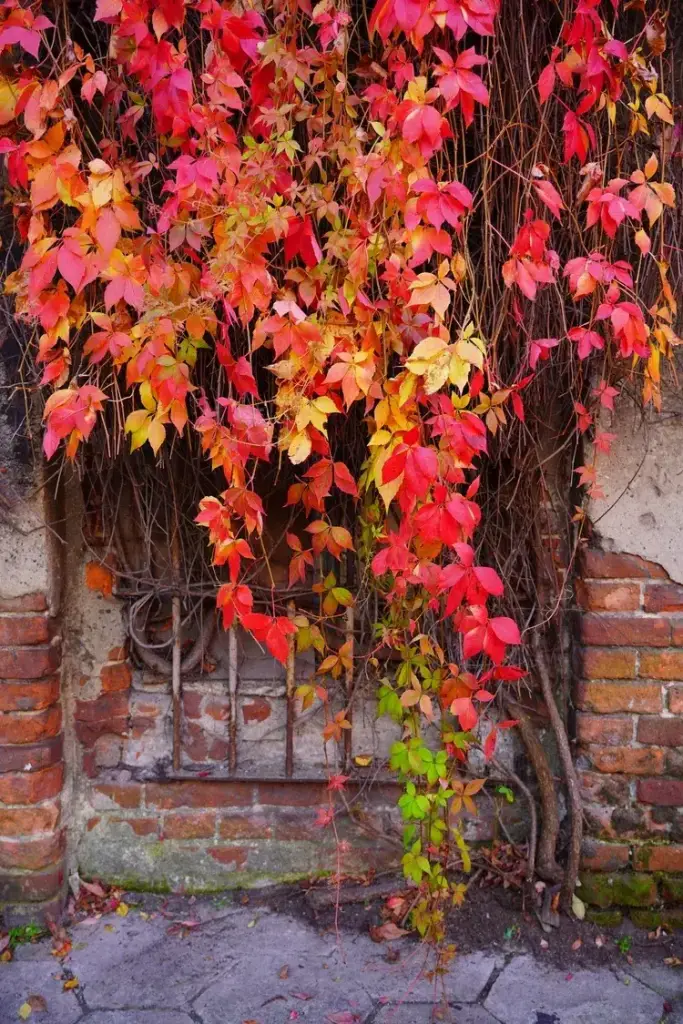
Virginia creeper (Parthenocissus) belongs to the same family as grapevines but is primarily grown for its decorative foliage. Its lush leaves transform into fiery shades of red and orange in autumn, making it a showstopper in any garden.
Advantages:
- Hardy and frost-resistant: Thrives in cold climates.
- Versatile: Grows in various soil types and tolerates sun and shade.
- Fast growth: Can grow over 60 cm per year.
- Low maintenance: Resistant to diseases and pests.
- Functional foliage: Provides shade and protection from wind.
Disadvantages:
- Invasive growth: Can damage buildings if left unchecked, but regular pruning solves this issue.
- Toxic berries: Harmful to humans and should not be consumed.
The plant’s benefits far outweigh its drawbacks, and with proper care, its growth can be controlled while maximizing its aesthetic appeal.
When and How to Plant Virginia Creeper

The ideal time to plant Virginia creeper is in autumn or spring, avoiding frost periods. Follow these steps to ensure successful planting:
- Hydrate the root ball: Soak the pot in a bucket of water.
- Prepare the site:
- Loosen the soil.
- Install a wire mesh or small support (optional for wall planting).
- Dig a planting hole: Make it 50 cm deep and wide, leaving a 10-40 cm gap from walls.
- Add drainage: Place gravel or clay balls at the hole’s base, then enrich the soil with compost and manure.
- Plant carefully:
- Remove the plant from its pot without disturbing the roots.
- Tilt the root ball slightly toward the wall and place it in the hole.
- Fill and tamp: Cover with soil, tamp lightly, and form a bowl shape for watering.
- Water generously: Ensure the soil is thoroughly moistened.
- Guide the plant: Attach the leaves to a support if needed to direct growth.
Maintenance Tips for Virginia Creeper

Once planted, Virginia creeper requires minimal care but benefits greatly from regular attention:
Watering
- Water consistently after planting and throughout the first summer.
- Once established, water only during prolonged droughts.
Fertilizing
- Apply a mineral fertilizer at the beginning of summer, following the manufacturer’s guidelines.
Mulching
- Spread mulch (e.g., grass clippings, straw, compost) at the plant’s base in spring and autumn to:
- Retain moisture.
- Reduce weeding.
- Enrich the soil.
Pruning
- Prune as needed throughout the year to control growth and prevent the plant from becoming invasive.
- Focus on removing:
- Dead or damaged branches.
- Branches growing under roofs, near gutters, or close to windows and doors.
- Avoid pruning in extreme heat and prevent the plant from climbing shutters and tiles.
With its breathtaking foliage and adaptability, Virginia creeper is a fantastic addition to any garden. By following these planting and care tips, you can enjoy a vibrant, low-maintenance green space that stands out year-round.


