
Roses are among the most beloved flowers in any garden, admired for their beauty and elegance. However, to ensure that they remain healthy and bloom beautifully in the spring, it’s essential to prepare them properly during the fall. With the cold weather approaching, knowing the right steps to protect your roses is key. Here are five essential actions you can take to help your rose bushes cope with the winter chill.

1. Take Care of the Soil Around the Base of the Plants

One of the first things to do when preparing your roses for fall is to tend to the soil surrounding the plants. Begin by removing fallen leaves with a rake. While it’s tempting to add compost, it’s best to hold off during the fall, as compost can increase the risk of fungal diseases over the winter months. By keeping the soil clean, you’ll help your roses enter dormancy without unnecessary stress.
2. Should You Prune Roses in the Fall?
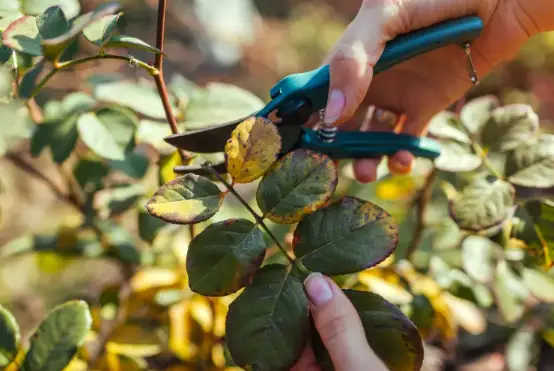
Pruning roses in fall is a debated topic. While the best time to prune is usually in late winter, just before the growing season begins, some gardeners prefer to prune in the fall for a better shape and more controlled growth. However, pruning too early can encourage new growth that may be damaged by the cold. For varieties like shrub roses and climbing roses, fall pruning can be beneficial. If you choose to prune, cut back the stems to about 45-60 cm and remove any dead, dry, or damaged stems and leaves. If new growth appears during winter, trim it back again.
3. Remove Dead Flowers

Regardless of whether you prune your roses or not, deadheading is an essential step in preparing your roses for fall. Removing wilted flowers ensures the plant doesn’t waste energy on spent blooms and can focus on preparing for the winter months. This process also encourages healthier blooms for the next season. Simply cut off the faded flowers, and you’ll improve both the plant’s health and appearance.
4. Transplant Them

Fall is a great time to transplant roses if they’re in a location that isn’t ideal. Whether you want to move them for better aesthetic reasons or to provide more shelter or sunlight, the fall season is perfect for relocation. Just make sure the plants are well-established before the first frost to help them adapt to their new location.
5. Add Mulch Around the Base

Mulching your roses in the fall provides several benefits. Not only does it add much-needed nutrients to the soil, but it also serves as an insulating layer that protects the roots from cold temperatures. Clean the soil thoroughly, then apply a thick layer of mulch—about 5 to 10 cm. Use organic materials like manure, straw, or leaf mold. Be sure to cover the graft point of the plant, as this area is particularly vulnerable to the cold.
Should You Fertilize in the Fall?

Fertilizing roses in late summer or fall is generally not recommended. Applying fertilizer during this time can stimulate new growth, which is more vulnerable to cold damage. It’s better to fertilize your roses in spring or early summer, when they’re actively growing and can fully benefit from the nutrients.
Conclusion
Preparing your roses for fall is essential for helping them survive the cold winter months and thrive in the spring. By following these five key steps—taking care of the soil, deciding whether to prune, removing dead flowers, transplanting, and adding mulch—you’ll ensure that your roses are strong, healthy, and ready to bloom beautifully next season. Take good care of your roses now, and they’ll reward you with spectacular blooms in the future!


