Protecting Chickens from Bird Flu: Symptoms, Prevention, and Treatment
Bird flu, a highly contagious respiratory disease, poses a significant threat to chickens, geese, ducks, and turkeys. Understanding how to recognize, prevent, and treat avian flu is crucial for safeguarding your poultry. Let’s delve into the details.
How to Protect Chickens from Bird Flu

Bird flu spreads rapidly among poultry, making prevention essential. Despite meticulous care, chickens can contract the virus from infected birds or contaminated objects. To mitigate the risk:
- Allow chickens access to sunlight and fresh air, and provide dust baths.
- Maintain strict hygiene practices, disinfect shoes before entering the coop, and wear protective gear.
- Minimize contact with wild birds and implement barriers to prevent interaction.
- Ensure clean water and fresh food, discarding old supplies regularly.
Symptoms of Bird Flu in Chickens

Avian flu manifests through various symptoms, including decreased egg production, swelling, purple marks, diarrhea, drowsiness, and breathing difficulties. Promptly quarantine any chicken exhibiting these signs and consult a veterinarian for further evaluation.
Prevention Measures
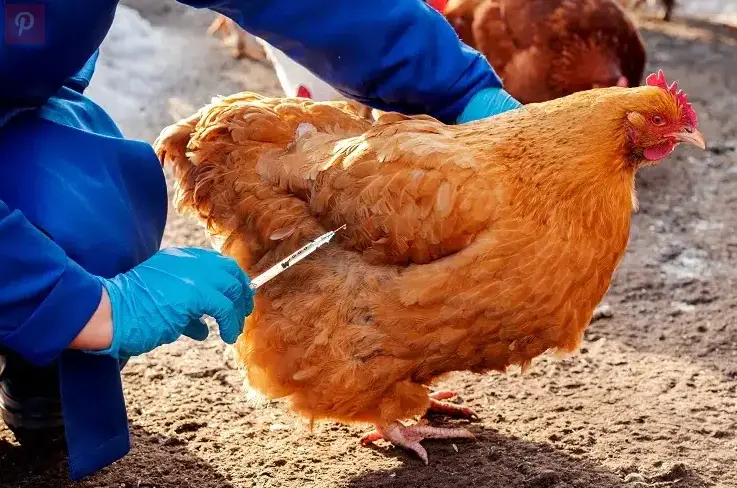
Vaccination, though limited, offers some protection against bird flu. Additionally, implementing strict biosecurity measures, such as disinfection protocols and minimizing wild bird contact, reduces the risk of transmission.
Treatment of Bird Flu
Unlike some poultry diseases, such as Marek’s disease, avian flu has no cure. Once infected, chickens typically succumb to the illness, making prevention the primary focus. Swift action and preventive measures are essential for averting the devastating consequences of bird flu outbreaks.
By adhering to preventive measures and promptly addressing any symptoms, you can effectively protect your chickens from the dangers of avian flu. Stay vigilant, prioritize biosecurity, and ensure your poultry’s health and well-being.


