
If you’re fortunate enough to have a plum tree in your orchard, you know that proper care, including winter pruning, is essential for its health and fruit production.
Here’s a straightforward guide on how to prune a plum tree in winter in just four easy steps:

1. Choose the Right Time:
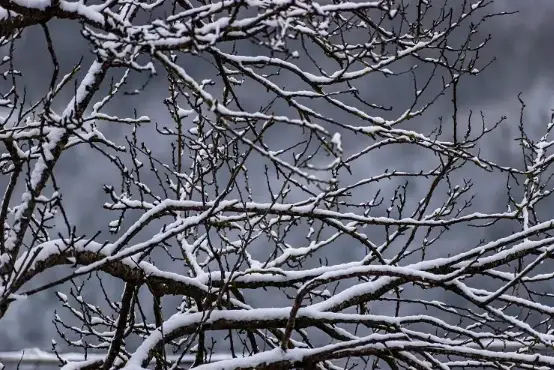
- The ideal time for pruning your plum tree is when it’s completely dormant and leafless, typically between November and March.
- Avoid pruning during extreme cold spells, as temperatures below -7°C can cause wounds to freeze.
- January is an excellent time for planting new plum trees.
2. Identify and Remove Suckers:
- Begin by identifying and removing suckers, which are straight shoots that grow from the base of the tree.
- Suckers are vigorous but unproductive, so removing them helps prevent them from competing with the main tree.
3. Prune Downward-Growing Branches:
- Next, prune any branches that are growing downward. These branches are typically weaker and less productive.
- Look for branches that are crossing or pointing toward the center of the tree and remove them to maintain an open canopy.
4. Trim Y-Shaped Shoots:
- Trim Y-shaped shoots to encourage the growth of an upright central leader, transforming them into a more desirable I-shape.
- This helps channel sap flow more efficiently and promotes better fruit development.
Additional Tips:
- Remove any dead, damaged, or diseased branches to improve overall tree health and reduce the risk of pests and diseases.
- Aim to create an open canopy that allows light to penetrate and air to circulate freely, promoting fruit quality and reducing the risk of fungal diseases.
- Winter pruning should be complemented by summer pruning to maintain the tree’s shape and health.
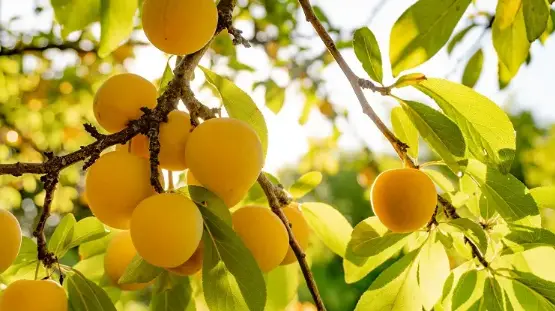
By following these simple steps, you can effectively prune your plum tree in winter, setting the stage for a healthy and fruitful growing season ahead.
Show Comments


