
How to Revive a Yellowing Anthurium: Effective Tips and Solutions
Anthurium, also known as the “tongue of fire,” is a stunning tropical plant cherished by gardeners for its vibrant foliage and exotic blooms. However, if your anthurium starts to yellow, it’s essential to take action promptly to restore its health and vitality. Here’s how to revive a yellowing anthurium and prevent further damage:
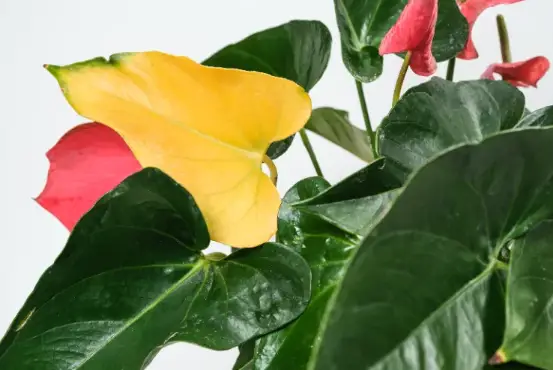
1. Identify the Causes:
- Yellowing leaves in anthuriums can be caused by various factors, including overwatering, underwatering, nutrient deficiencies (such as iron, potassium, and magnesium), or insufficient light.
- Check the soil moisture levels, lighting conditions, and nutrient levels to determine the underlying cause of the yellowing leaves.
2. Adjust Watering Practices:
- Overwatering is a common cause of yellowing leaves in anthuriums. Ensure that you water the plant only when the top inch of soil feels dry to the touch.
- During the growing season (spring and summer), water the anthurium 2-3 times per week, ensuring adequate drainage to prevent waterlogged soil.
- In the dormant season (autumn and winter), reduce watering frequency to once every 10 days to accommodate the plant’s reduced growth and water requirements.
3. Provide Proper Lighting:
- Anthuriums thrive in bright, indirect light. If the leaves are turning pale yellow, it may indicate insufficient light exposure.
- Move the plant to a brighter location with indirect sunlight, avoiding direct exposure to harsh sunlight, which can scorch the leaves.
- Ensure consistent lighting conditions throughout the day to promote healthy growth and prevent leaf yellowing.
4. Fertilize Appropriately:
- Use a balanced liquid fertilizer formulated for flowering plants to provide essential nutrients to the anthurium.
- Fertilize the plant weekly during the growing season (spring and summer) to support flowering and growth.
- During the dormant season, suspend fertilizer applications to allow the plant to rest.
5. Combat Pests and Diseases:
- Check the anthurium for signs of pests such as red spiders or aphids, which can contribute to leaf yellowing.
- Treat any pest infestations promptly using organic pest control methods, such as spraying the plant with a solution of soapy water or neem oil.
- Maintain a clean and humid environment around the plant to deter pests and promote overall plant health.
6. Transplant if Necessary:
- If root rot is suspected due to waterlogged soil, consider transplanting the anthurium into fresh, well-draining potting mix.
- Gently remove the plant from its pot, inspect the roots for signs of rot, and trim away any damaged or mushy roots before repotting in a suitable container.
By addressing the underlying causes of yellowing leaves and providing proper care, you can revive your anthurium and enjoy its lush foliage and vibrant blooms once again. Regular monitoring and maintenance will help keep your anthurium thriving for years to come.


