
During the peak of summer, the sun can be incredibly intense. While this bright weather is great for our mood, excessive heat and sunlight can damage our plants, both in pots and in the ground. If your plant has suffered sunburn, don’t worry—there are steps you can take to help it recover. Here’s how to save a sunburned plant and get it back to health!
Prevention Tips
Preventing sunburn is crucial to keeping your plants healthy. Here are some effective strategies:
- Install water diffusers: Use devices like oyas, which are ceramic reservoirs that slowly release water into the soil, or ceramic cones that attach to water bottles and provide steady moisture at the base of your plants.
- Apply mulch: For plants in open ground, mulch helps retain soil moisture and keeps roots cooler.
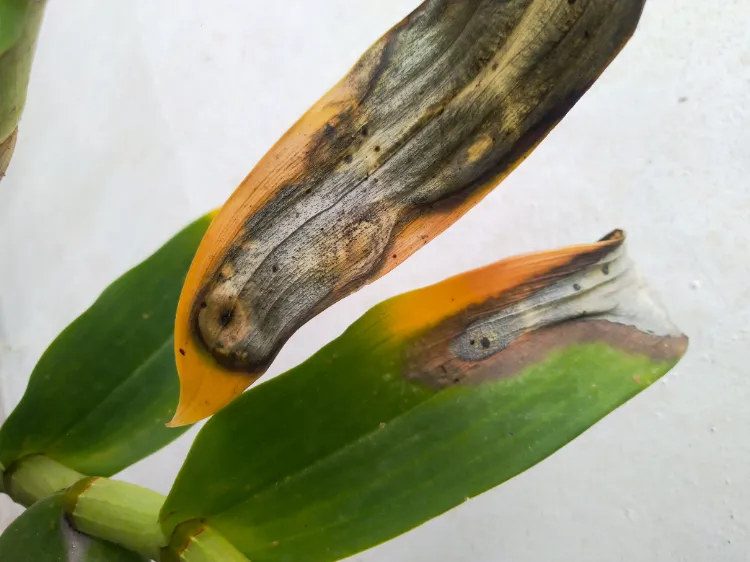
Recognizing Sun Damage
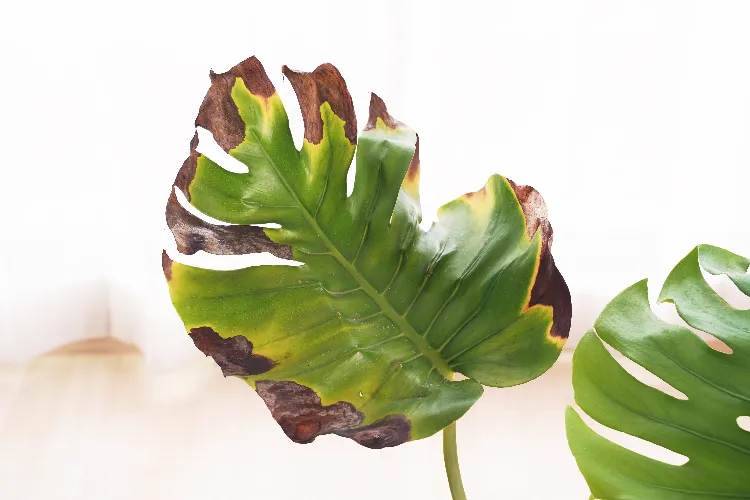
Sunburn can manifest in several ways. Look for these signs to identify if your plant has been affected:
- Leaf discoloration: Leaves may turn pale or even black.
- Leaf fragility: Leaves may become brittle and break easily.
- Stunted growth: The plant’s growth may slow down or stop.
- Leaf drop: Leaves may fall off prematurely.
If your plant shows these symptoms, don’t panic. If some green leaves remain and the stems are still green when scratched, there’s hope for recovery. Even if the plant appears dry, wait before deciding to prune or discard it.
Steps to Revive a Sunburned Plant
1. Relocate the Plant
To help your plant recover, first move it to a shaded or cooler location. Indoors, place it away from direct sunlight or behind a curtain. Outdoors, use a shade sail or position the plant behind a board leaning against a wall to provide shade.
2. Hydrate the Plant
- For potted plants: Submerge the pot in a larger container filled with water. Leave it there until bubbles stop rising, then remove it. This ensures the entire root system is adequately hydrated.
- For indoor plants: Spray the foliage daily to refresh the plant.
- For ground plants: Water thoroughly by applying three watering cans of water at the base of the plant in both morning and evening. This helps restore soil moisture levels.
3. Be Patient
Recovery takes time. Continue with the above care for at least three weeks. Avoid using fertilizers during this period, as they could further stress the plant. Look for new buds and leaves as signs of recovery. Once new growth is visible, trim dead branches about 1 cm above the last living bud.
Ongoing Care
After recovery, remember that your plant might remain delicate. Continue to monitor its condition and consider applying natural fertilizer or compost to support its growth.
By following these steps, you can help your sunburned plant bounce back and thrive once again. Have you had success with any other plant recovery techniques? Share your experiences with us on Facebook or in the comments! For more gardening tips, check out our guide on natural ways to protect your plants.


