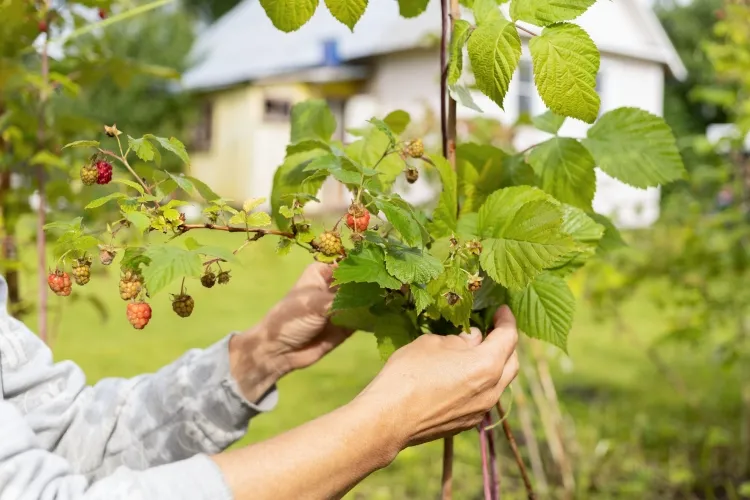
Growing raspberries can be a rewarding experience, but without proper support, these berry bushes can become overgrown and difficult to manage. Should you use a trellis or espalier? How do you build a strong and stable structure to maximize growth and yield?
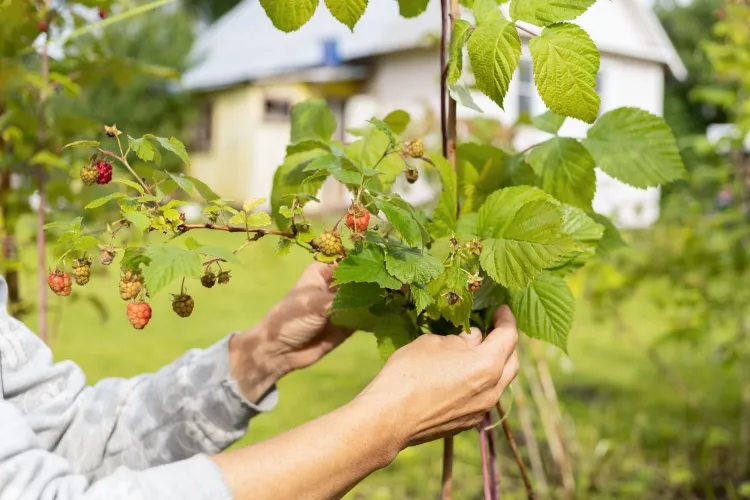
Let’s explore the best techniques for training raspberry plants!
🌿 Why Do Raspberry Plants Need Support?
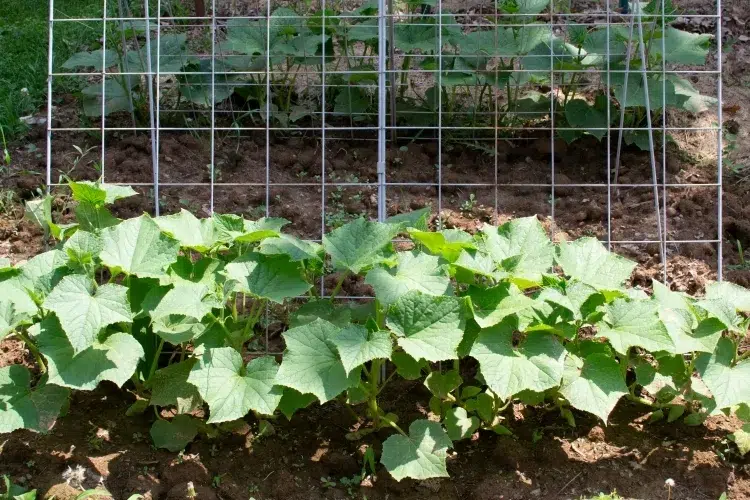
Raspberries tend to form thick hedges, which means they need reliable support to prevent them from spreading uncontrollably. You have three options:
✔️ Wire Fence – Ideal for small-scale gardens
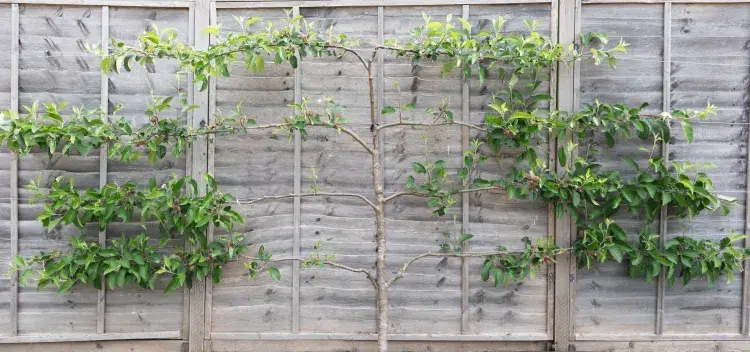
✔️ Espalier – A structured way to train berry bushes
✔️ Trellis System – The best option for large plantations
Since raspberry bushes can live for 10-15 years, selecting the right support system from the start is crucial.
💡 Pro Tip: If you’re short on space, an espalier or trellis system helps keep your raspberries organized and easy to harvest.
🛠 How to Properly Stake Raspberry Bushes?
Raspberries are notoriously invasive, so controlling their growth is key. Trellising helps keep plants upright, facilitates harvesting, and prevents fruit from touching the ground and spoiling.
Best Staking Methods:
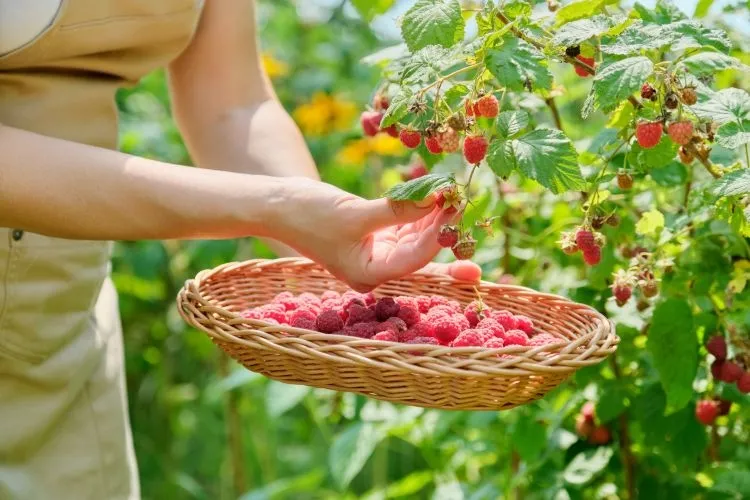
✔️ T-Post Construction – Ideal for a structured, long-term solution
✔️ Simple Bamboo Staking – Best for small, individual bushes
✔️ Wire Trellis System – Requires wooden or concrete posts and layers of wire
💡 DIY Raspberry Trellis:
1️⃣ Insert two bamboo poles into the ground about 1 foot apart.
2️⃣ Tie the longest stem of the raspberry plant between the poles with string.
3️⃣ If using a wire trellis, secure the wires with earth anchors and clips or strainers to keep them tight and stable.
⚠️ Not all raspberries require trellising!
- Summer-bearing varieties need a frame or fence since they grow up to 1.5 meters.
- Autumn-bearing varieties are self-supporting and don’t require additional support.
🌱 What is Raspberry Trellising?
Trellising is essential for maintaining an organized raspberry plantation. This method:
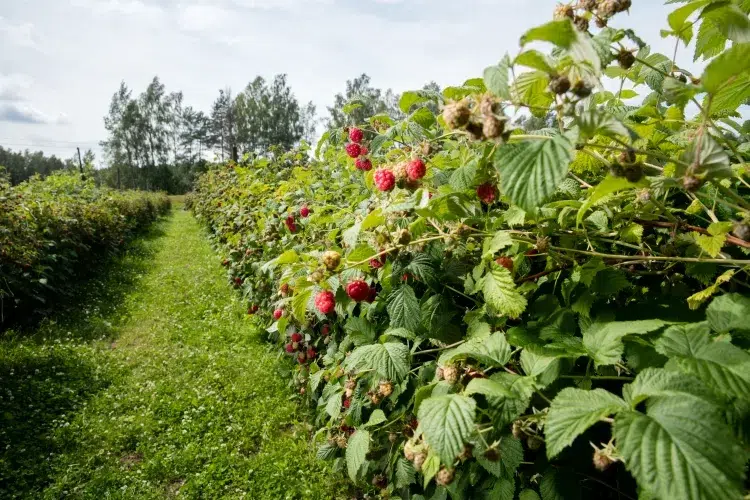
✔️ Controls growth to ensure even spacing
✔️ Prevents overcrowding, which improves air circulation and reduces disease risk
✔️ Makes pruning and harvesting easier
Much like vineyards, proper training ensures that each branch has room to thrive without disruption.
💡 When to Train Raspberries?
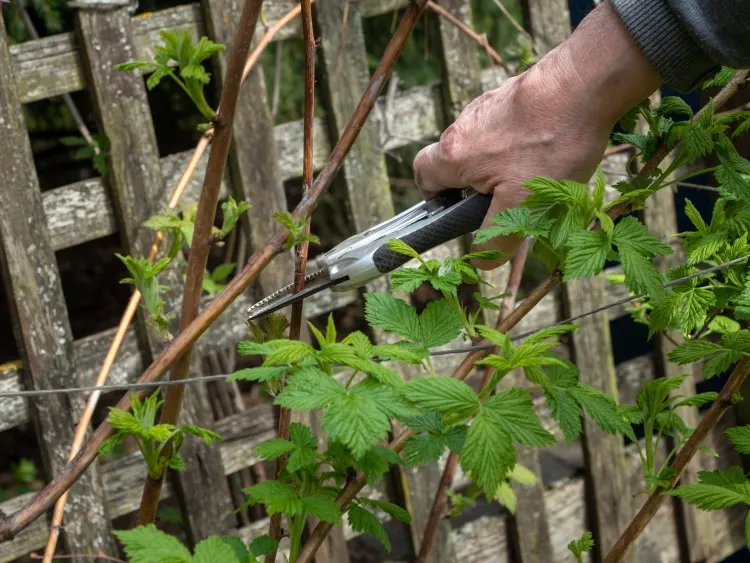
- Summer Training – Shapes the plant for optimal growth
- Winter Training – Encourages fruit production and strengthens branches
🛠 How to Build a Raspberry Trellis? (DIY Guide)
To construct a durable raspberry trellis, you’ll need:
🔧 Hexagonal screw bolts with washers
🔧 Eye bolts with nuts (amount depends on plantation size)
🔧 Wire (8x the length of your raspberry row)
🔧 Tape measure
🔧 Miter saw & saw bench
🔧 Post digger & stuffing bar
🔧 Drill, socket wrench, and wire cutter
💡 Pro Tip: Watch the video below for step-by-step guidance on building a solid raspberry trellis!
🏡 Trellising vs. Espalier: Which One to Choose?
While espalier is commonly used for dwarf fruit trees, it can also be useful for training berries in tight spaces.
✔️ Trellising – Best for large berry plantations
✔️ Espalier – Ideal for small gardens, decorative fencing, or wall coverage
✔️ Palisade (Espalier Fence) – Helps create natural zones within a garden
Which method is right for you? Consider the size of your garden, space limitations, and your preferred harvesting style.
🌿 Final Thoughts: The Key to Healthy, High-Yield Raspberry Plants
✔️ Support is essential for organized growth and easy harvesting
✔️ Choose trellising for structured long-term support
✔️ Use espalier or palisade fencing for smaller spaces
✔️ Train your raspberries in summer and winter to maximize fruit production
Now that you know how to train raspberry plants, are you ready to build your own DIY trellis? Let us know in the comments! 🍇👇