
Rain can be both a blessing and a curse for rose bushes. While they thrive on water, too much rain can cause issues such as rot, disease, and mildew. If your rose bushes have been impacted by recent storms or heavy rains, don’t worry—there are natural ways to help them recover and bloom beautifully again. Here’s what you need to do!
Key Points to Remember
- Inspect your rose bushes after rain to assess their health.
- Prune severely and remove dead flowers to prevent rot.
- Treat fungal diseases like powdery mildew with natural remedies.
- Prevent flooding by using mulch and proper drainage.
- Consider horsetail decoction or Bordeaux mixture to combat gray mold.
Inspect Your Rose Bushes for Damage
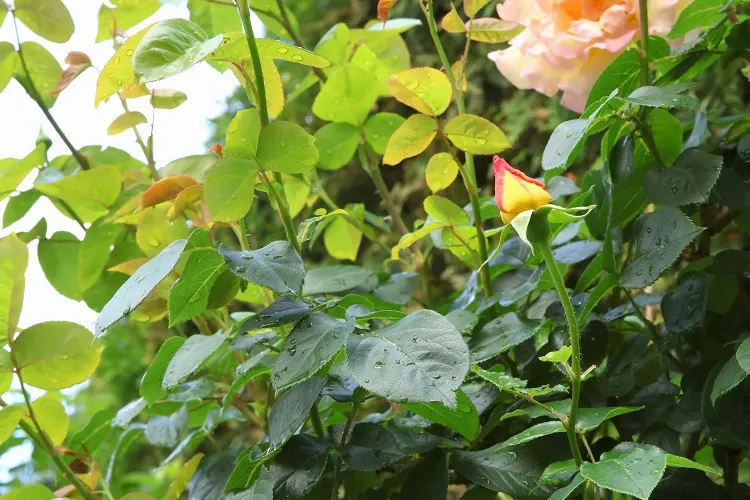
After a heavy rain, the first step is to inspect your rose bushes carefully. Although rose bushes are robust, prolonged exposure to water can damage them. Check if the wood is still green, as this indicates the plant is still healthy. However, if you notice that the roots have turned brown, it’s a sign of excess water, and the plant may need to be uprooted.
Prune and Clean the Plant
Pruning is essential after rain. Dead or damaged flowers and branches should be removed immediately to avoid rot and prevent further damage. Cut the branches at an angle above a bud so rainwater can flow off the stem, preventing it from pooling and causing rot. Trim off any brown, closed buds, as they will not open, and remove any decaying leaves.
Prevent and Treat Mildew and Fungal Diseases
Rain creates the perfect environment for fungal diseases like powdery mildew and gray mold, which thrive in humid conditions. To prevent these diseases, start by regularly checking your rose bushes for any signs of fungal growth. If mildew appears, treat it with baking soda—a natural remedy that can help control these fungi.
If you notice gray mold on your rose bushes, it is essential to act quickly, as this disease is highly contagious and can spread throughout your garden. Gray mold often results from too much humidity combined with warm weather, which is common after heavy rain in the spring.
Use Natural Treatments for Gray Mold
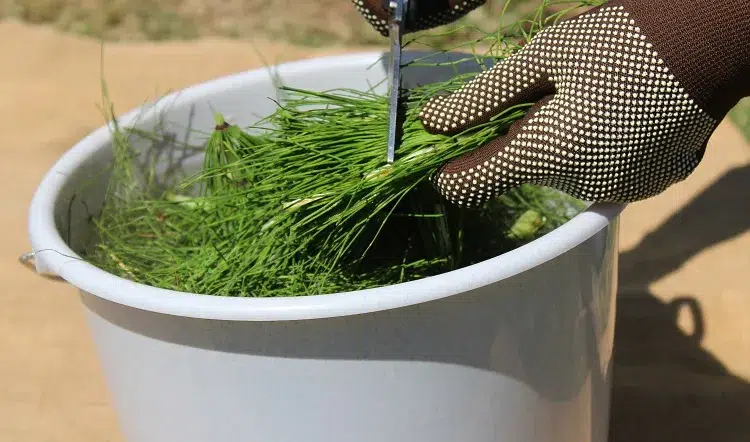
For gray mold treatment, prune your rose bush to remove affected branches and leaves. Cut back to the healthiest 3 to 5 branches, and remove any dead or decaying material around the base of the plant. Then, treat your rose bush with a horsetail decoction or Bordeaux mixture. Both are excellent natural fungicides. Apply the treatment every two weeks for best results.
Mulch and Improve Drainage
To protect your rose bushes from excess water and prevent flooding, consider adding mulch around their base. Mulching with dead leaves, wood chips, or grass clippings will help retain moisture without causing the plant to become waterlogged. Mulch also helps regulate humidity around the base of the plant, preventing fungal diseases.
If your rose bush is in a pot, take it inside after heavy rain to allow it to dry out. You can also replant the bush in a new, well-drained pot to ensure proper water drainage in the future.
Take Precautions Before Future Rains
If adverse weather is forecasted, take preventive measures to protect your roses from future rain damage. Consider digging a soakaway pit around your rose bushes to help absorb excess water. Filling the pit with pebbles, gravel, or tiles will allow water to drain away and prevent flooding.
Conclusion
Caring for your rose bushes after heavy rain is crucial to their recovery. By following these natural tips—pruning dead flowers, treating fungal diseases, using mulch for protection, and applying natural remedies like horsetail decoction and Bordeaux mixture—you can help your rose bushes thrive again. Regular maintenance and proper care will ensure that your roses remain healthy and continue to bloom beautifully throughout the season.


