
Using Ash at the Base of Shrubs and Vegetable Plants: Top Tips
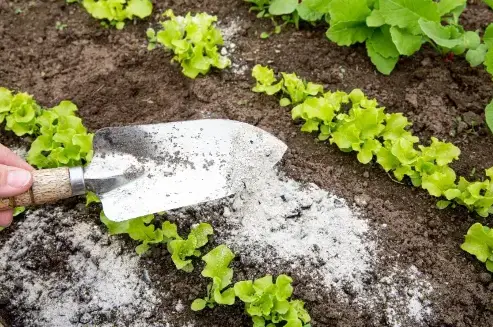
Wood ash, often considered waste, has valuable applications in gardening. Utilizing ash at the base of shrubs and vegetable plants can be beneficial. Here’s a guide on how to use it effectively:
1. Conditions for Usage:
- Ash is rich in calcium carbonate, making it a great soil amendment to reduce acidity.
- Check your soil pH; avoid using ash if the soil is already too alkaline.
- Suitable for areas with acidic soil, and less suitable for those with frequent or heavy rainfall.
2. Nutrient Content:

- Wood ashes contain potassium, phosphorus, magnesium, and other essential nutrients for plants.
- These nutrients are water-soluble, facilitating rapid absorption by plants.
- Ash also acts as a pest control method, deterring various pests.
3. Vegetables that Benefit:

- Vegetables that respond well to wood ash include garlic, onions, root vegetables, cabbage, leafy greens, beans, and stone fruit trees.
- Berry bushes like aronia, blackcurrant, and gooseberry, as well as rose bushes and various ornamental plants, also benefit.
4. Application to Shrubs and Herbaceous Plants:

- Berry bushes, rose bushes, and ornamental plants appreciate occasional doses of wood ash.
- Mix ash with compost, especially if the compost is rich in plant matter and slightly acidic.
- Avoid excessive use; a couple of handfuls per square meter is sufficient.
5. Practical Tips:

- Mix ash thoroughly with the top layer of soil using a garden rake or fork.
- Apply no more than two handfuls of ash per square meter for a plot about to be sown.
- Collect ashes during winter and apply in early spring as plants emerge from dormancy.
- Apply ash in calm weather, wearing gloves, glasses, and a protective mask.
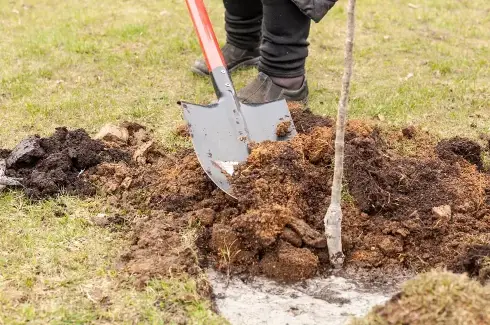
By following these tips, you can make the most of wood ash in your garden, promoting healthier plant growth and deterring pests.
Show Comments


