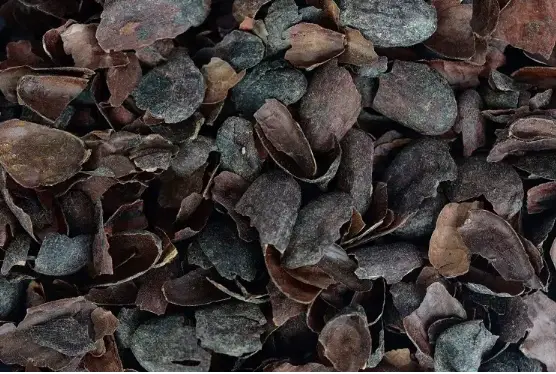
How to Use Cocoa Husks in the Garden: A Comprehensive Guide
Cocoa husks, often overlooked, are an excellent ecological mulch that fertilizes the soil naturally. Here’s how you can effectively utilize cocoa husks in your garden:

When and How to Mulch with Cocoa Pods:
- Preparation:
- Before spreading cocoa husks in your garden, ensure the soil is weeded and hoed.
- Application:
- Lay a layer of cocoa husks approximately 4 cm thick around the base of plants.
- Water the husks to allow them to form a protective layer against water, air, and other fertilizers.
- Observation:
- After 2-3 days, observe a thin white layer, indicating that the mulch is working.
- Incorporation:
- After a few months, mix the cocoa shells with the soil to fertilize it and prepare for future plantings.
- Repeat the mulching process annually, either in spring once the soil has warmed up, or in autumn to protect plants from winter frost.
Note: When sowing, move aside the mulch to allow the soil to warm up.
Other Uses for Cocoa Husks:
- Soil Enrichment:
- Incorporate cocoa husks into the soil to lighten it and promote plant growth. This enriches the soil and prepares it for future plantings.
- Aesthetic Appeal:
- Cocoa husks, with their beautiful color, enhance the visual appeal of gardens, flower beds, and planters.
Suitable Plants for Mulching with Cocoa Husks:

- Cocoa husks are suitable for a wide range of plants, including vegetables, fruit trees, perennials, annuals, shrubs, roses, hydrangeas, strawberries, and gooseberries.
- However, avoid mulching plants that require a lot of water, such as strawberries, tomatoes, cabbage, and zucchini, without installing a drip system first.
Pros and Cons of Cocoa Shell Mulch:
Pros:
- Natural and decorative, suitable for various garden settings.
- Pleasant aroma, unlike some other organic mulches.
- Good adhesion, resisting wind and retaining moisture.
- Long lifespan, decomposing over time to nourish the soil.
- Contains essential nutrients like nitrogen, potassium, phosphorus, and magnesium.
Cons:
- Toxic to cats and dogs if ingested in large quantities.
- May develop mold if not properly dried before use.
- Attracts birds and slugs, although they perform beneficial roles in the garden.
By following these guidelines, you can effectively utilize cocoa husks to improve soil quality and promote healthy plant growth in your garden.
Show Comments


