
Using the skin of clementines offers various benefits both in the garden and at home:
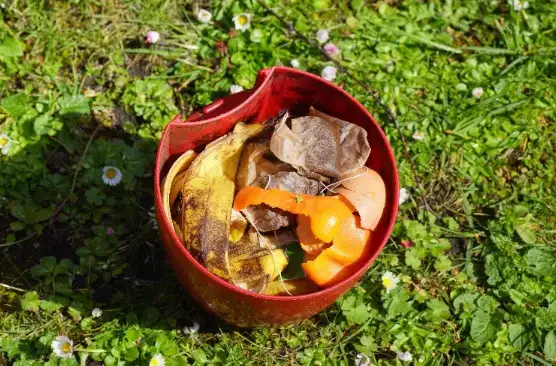
Add the skin to the compost: Clementine peels are rich in nutrients like vitamin C and potassium, which help balance the pH of the soil and stimulate plant growth. Adding them to compost enriches the soil and promotes healthy plant growth. Ensure the fruits used haven’t been sprayed with chemicals for best results.

Keep pests away from the garden: The decomposition of citrus peels releases nitrogen, which acts as a deterrent for pests. Simply place the fruit peels directly on the soil around plants you want to protect to keep pests at bay.

Make a natural fertilizer: Clementine peels can be used to make a natural fertilizer by soaking them in hot water and grating them after soaking. Then, bake them in an oven at around 150°C for approximately 2 hours. This fertilizer can be applied to the garden in early spring to nourish the soil and plants.
Powerful natural insecticide: Citrus peels can be used to create a natural insecticide spray to combat pests like mites, flies, and ants on garden plants. Simply wash the peels, dip them in boiling water, let them cool, and then spray the solution onto the leaves and stems of affected plants. Alternatively, you can rub citrus peels directly onto the plants to repel pests.
Perfume the interior: Dried clementine peels can be used to create a festive aroma in the home. Make clementine potpourri by letting the peels dry and adding cinnamon sticks for a pleasant scent that lasts for weeks. You can also use dried peels in small bags placed in wardrobes to scent clothes or in open containers in the kitchen to absorb unpleasant odors after cooking.
By utilizing clementine peels in these ways, you can not only improve the health of your garden but also enjoy their aromatic benefits throughout your home.


