Tomato leaves are often overlooked, but they can be incredibly useful in your garden. Here are four clever ways to make the most of them!

Key Points Summarized
- Tomato leaves contain toxic alkaloids: tomatine and solanine.
- They can repel aphids, mosquitoes, and wild bees.
- Useful for treating black spot disease on roses.
- Can be added to your compost.
1. Make a Homemade Insecticide
Aphids can be a serious problem for your plants, weakening them and causing significant damage. To combat these pests, you can create a simple insecticide.
- Ingredients: A handful of tomato leaves and water.
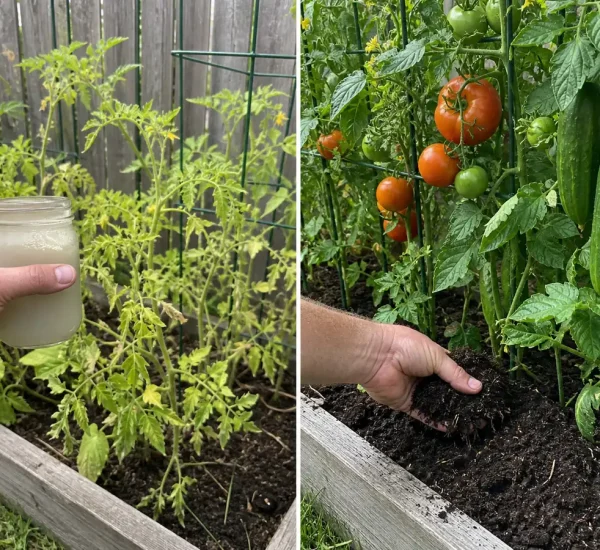
- Instructions: Chop the leaves finely or blend them. Place the mixture in a one-liter jar and fill it with hot water. Seal it and let it steep for 24 hours. Strain the infusion and pour it into a spray bottle. Spray the affected plants, focusing on the undersides of the leaves where aphids tend to hide.
2. Add Them to the Compost
Adding tomato leaves to your compost is beneficial. Their toxicity won’t harm the compost but be sure to check for any diseases. Cut the leaves into smaller pieces to speed up the decomposition process.
3. Keep Mosquitoes Away from the Terrace
Tomato leaves have a pungent smell that effectively repels mosquitoes and wild bees. You can keep them at bay by:
- Stringing the leaves on a thread and hanging them near doors or windows.
- Planting tomato plants in pots on your terrace, allowing you to enjoy both the foliage and the fruits.
4. Treat Black Spot Disease
Black spot disease is a common issue for roses, leading to yellowing leaves and weakening the plant. You can use tomato leaf tincture as a preventive measure.
- Instructions: Use the same recipe as for the aphid spray. Apply it to the leaves and stems of your roses at the beginning of the season and repeat regularly. While this method isn’t scientifically proven, many gardeners swear by it for prevention.
Conclusion
With these four grandma’s tricks, you can effectively utilize tomato leaves in your outdoor space. From homemade insecticides to natural repellents and disease treatments, these leaves are a fantastic resource for any gardener!