

Cacti are fascinating plants that, contrary to popular belief, can produce stunning blooms. Whether you’re a seasoned cactus enthusiast or a beginner, here’s how to encourage your cacti to flower beautifully.
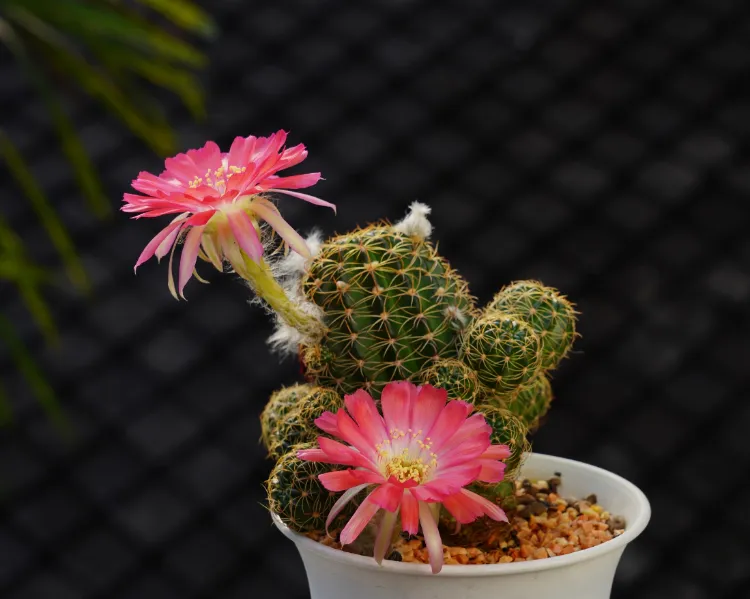
How to Make a Cactus Bloom
To promote flowering in cacti, it’s essential to replicate the harsh conditions of their native arid environments. Here are some practical tips:
- Use Plastic Pots: Opt for plastic pots rather than terracotta to prevent root rot. Terracotta pots can absorb moisture, which might lead to overly damp conditions detrimental to cacti.
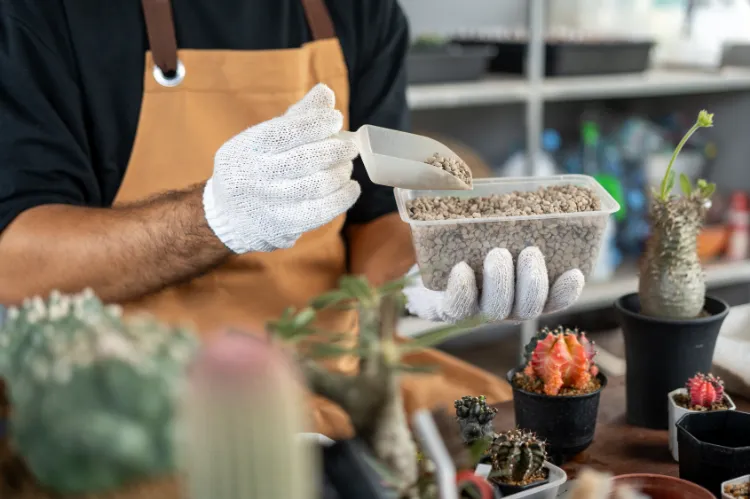
- Add Drainage Layers: Place a layer of small, non-calcareous gravel or perlite on the soil’s surface. This helps prevent the root collar from rotting and ensures proper drainage.
- Repot Regularly: Repot cacti immediately after purchasing them to provide fresh soil and space for growth. Use two pieces of polystyrene or rolled newspaper to handle the cactus safely during repotting.
- Manage Watering: Avoid watering from October to March. During these months, keep the cactus in a cool, dry location with ample light. The ideal temperature range is between 5°C and 10°C. During hot weather, remember that some stress on the plant can stimulate blooming.
- Timing for Blooming: Cacti typically start blooming in early spring. To encourage flowering, ensure that the plant experiences a period of dormancy followed by optimal conditions for growth and blooming.
5 Cactus Varieties for Beautiful Blooms
Here are five cactus varieties known for their vibrant and prolific flowers:
- Rebutia: Ideal for beginners, Rebutia cacti are easy to care for and offer delightful blooms. Their hardy nature makes them a great choice for those new to cactus care.
- Chamaecereus (Gherkin Cactus): Known for its unique appearance and long flowering period, the Chamaecereus, or gherkin cactus, adds a special touch to any collection.
- Mammillaria Ernestii: This cactus, with its crown-like arrangement of leaves, is easy to grow and reliably produces beautiful flowers.
- Gymnocalycium (Spider Cactus): Produces large flowers throughout the summer. The Gymnocalycium is a small, globular cactus that’s particularly resilient and visually striking.
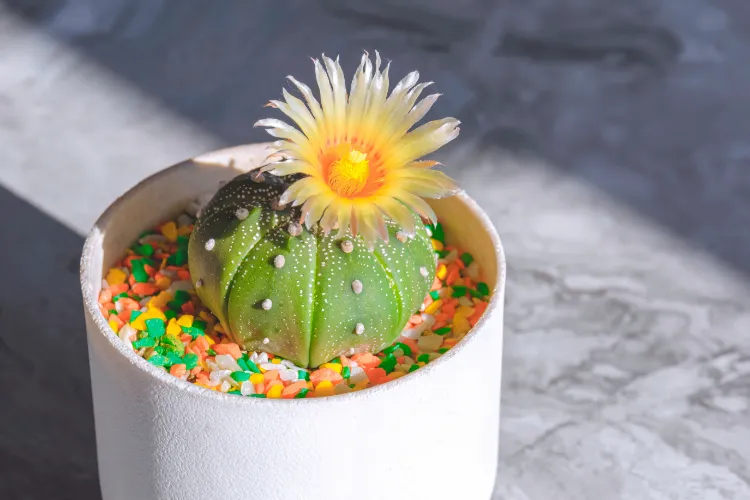
- Astrophytum: With its thornless structure, the Astrophytum is easy to grow and provides spectacular, albeit short-lived, blooms.
How to Care for Cacti
Proper maintenance is crucial for ensuring that your cacti bloom beautifully. Follow these care guidelines:
- Repotting: Repot every 2 to 3 years at the end of winter. Use a mix of one-third sand, one-third potting soil, and one-third garden soil, with a bit of pozzolan for enhanced drainage.
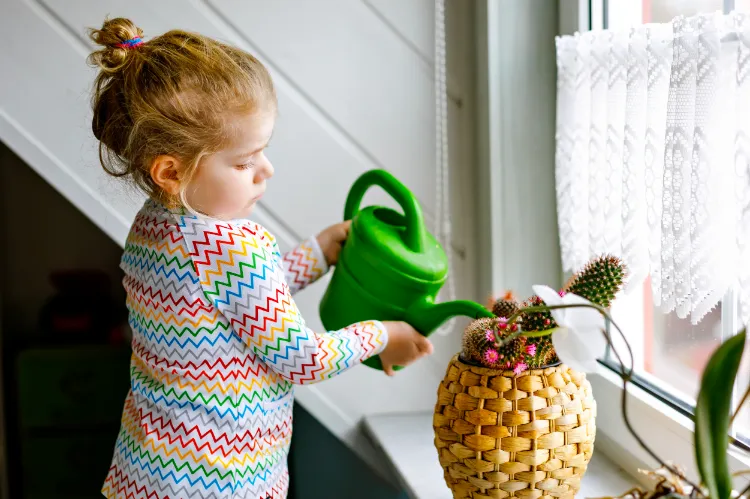
- Watering: Allow the soil to dry completely between waterings. Avoid leaving stagnant water in the saucer as it can cause root rot.
- Fertilizing: Cacti are not heavy feeders. A special cactus fertilizer applied in spring and autumn will suffice to keep your plants healthy.
By following these tips and choosing the right varieties, you can enjoy vibrant cactus blooms and maintain a healthy, flourishing collection.


