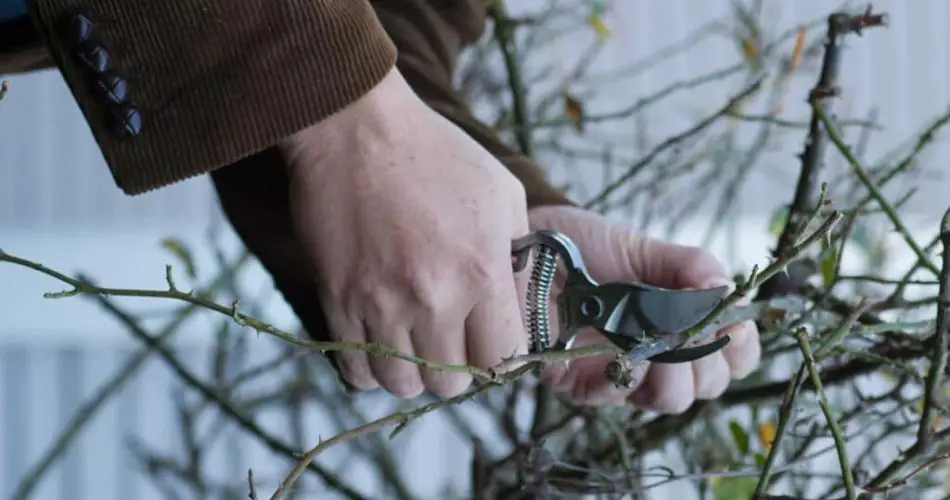
As spring approaches, the act of pruning plants, flowers, trees, and shrubs is not merely a matter of aesthetics but a crucial step towards enhancing their health and blooming potential. While April is generally favored for pruning many plants, specific species demand attention as early as March. Here are five plants that benefit from early spring pruning to ensure their vibrant appearance and robust growth:
Wisteria: This exquisite vine necessitates pruning in both February and March. Missing this window means waiting until summer—July or August—for the next opportunity. During pruning, focus on young shoots, leaving two buds on each to promote vigorous growth.
Roses: March marks the optimal time to prune roses and their bushes. Once frost subsides and warmer weather sets in, initiate pruning. Do not hesitate to make significant cuts, as this encourages fresh shoot development and abundant flowering.
Hydrangea: For a summer filled with vibrant blooms, pruning in March is essential. Trim back all stems of the plant to support healthy growth and prolific flowering.
Clematis: March calls for removing last year’s growth by cutting the plant 25-30 centimeters above ground level. This practice stimulates vigorous growth and ensures a profusion of flowers.
Fruit Trees: While dormant, pear and apple trees should be pruned in March. Timing is crucial—once buds begin to open and active growth resumes, pruning becomes detrimental. Shape the tree’s crown in a cup-like form, ensuring even exposure to sunlight throughout.
In essence, pruning plants in March is a pivotal task that primes them for robust growth and blooming in the months ahead. By adhering to these guidelines, you can cultivate flourishing gardens and ensure a season brimming with vibrant colors and healthy foliage.


