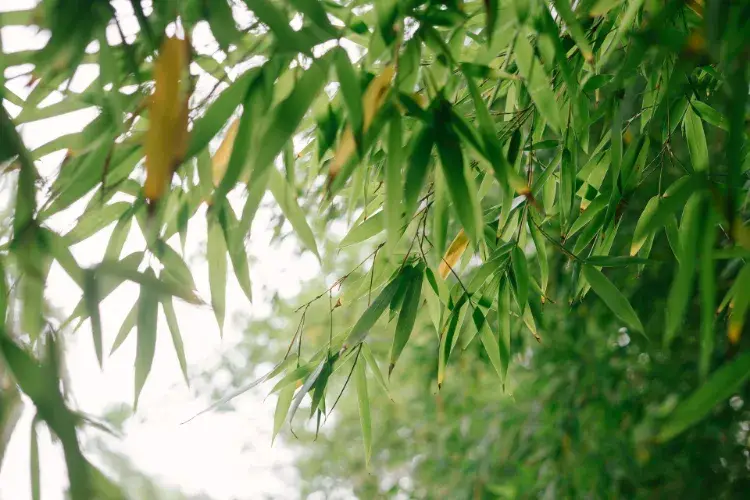
Bamboo, a resilient perennial from the Poaceae family, thrives predominantly in Asia, Africa, and South America. Revered for centuries for its versatility, bamboo boasts qualities such as strength, flexibility, and longevity, making it a staple in construction, furniture, musical instruments, and kitchen utensils. But what about its role in gardening? Let’s explore why mulching with bamboo leaves stands out as the premier choice!
What Are the Benefits of Mulching with Bamboo Leaves?
Bamboo is renowned for its rapid growth and robust nature, making it an ideal natural mulch for your garden. Beyond its practicality, using bamboo leaves as mulch is both ecologically sound and recyclable. It effectively suppresses weeds, protects plants, and requires minimal upkeep, making gardening more convenient. Moreover, bamboo adds an exotic aesthetic flair to your garden landscape. Let’s delve into the specific advantages of mulching with bamboo leaves and explore its versatile applications. Let’s get started!
How to Use Bamboo Leaves?
Rest assured, bamboo leaves are entirely safe for your garden. Rather than discarding them, let them naturally enrich the soil and aid in moisture retention around plant roots. Any excess leaves can be added to your compost pile to maximize their nourishing benefits. Bamboo leaves, due to their quick drying nature upon falling, contribute effectively to compost alongside kitchen and garden waste. For optimal composting, layer moist nitrogen-rich waste with dry carbon-rich materials like bamboo leaves. Alternatively, you can use them directly as mulch across different garden areas. On a side note, freshly harvested bamboo leaves, before drying out, can even be brewed into a delightful and nutritious tea.
Why Is Mulching with Bamboo Leaves Beneficial?
Despite bamboo’s delicate appearance and potential for rapid growth, it offers numerous advantages over traditional mulches. Bamboo is exceptionally lightweight, durable, and absorbs water remarkably well—up to 70% of its weight. As a natural mulch, bamboo decomposes organically, posing no harm to the environment. However, due to its vigorous growth, proper control measures are necessary to prevent it from overtaking garden spaces. Remember, a dense foliage indicates a healthy bamboo specimen. Embrace fallen leaves as they decompose gradually, enriching the soil with humus-forming microorganisms. Notably, bamboo leaves are free of toxic or irritating oils, making them an ideal choice to insulate topsoil and shallow root systems.
In conclusion, mulching with bamboo leaves offers a host of benefits, enhancing both the health and aesthetic appeal of your garden. Embrace this eco-friendly option to foster thriving plants and sustainable gardening practices.


