
When it comes to creating a beautiful garden, many of us are drawn to exotic plants for their unique beauty or the fruits they produce. However, native flowers of France offer a range of benefits that not only enhance your garden’s aesthetic but also contribute significantly to local biodiversity. In this article, we’ll explore why you should choose native plants, what flowers are native to different regions in France, and how to sow them for the best results.

Why Choose Native Flowers?
One of the primary reasons to plant native flowers in your garden is that they are naturally adapted to the local climate, soil, and rainfall conditions. Unlike exotic plants, which may struggle to thrive and could even disrupt the natural balance, native plants are resilient and well-suited to the environment. They require less maintenance and watering, making them a low-maintenance option for gardeners.
Additionally, native plants are essential for biodiversity. They help protect local wildlife by providing food and shelter for pollinating insects like bees and butterflies. By planting native species, you are supporting the ecosystem and promoting the development of other plant and animal species.
Moreover, native flowers are resistant to many diseases and pests, including bacteria and fungi. They also withstand the extreme climate changes we’ve been experiencing in recent years. In short, native plants often self-sustain and create a harmonious environment where other plants can thrive.
Which Native Flowers Grow in France?
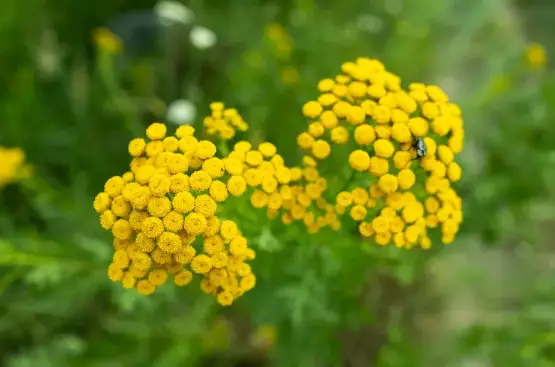
The beauty of native flowers in France is that the selection varies depending on the region. Different soils, climates, and environments create ideal conditions for a wide array of local species. Here are a few examples of native flowers in different regions:
- Île-de-France:
- Viburnum lantana (Wayfaring Tree)
- Guelder Rose
- Provence-Alpes-Côte d’Azur:
- White Cistus
- Dogwood
- Hawthorn
- European Spindle Tree
- Etrurian Honeysuckle
- Centre-Val de Loire:
- European Gorse
- Two-Style Hawthorn
- Broom
- Field Rosebush
- Butcher’s Broom
- Corsica:
- Red Companion
- Tansy
- Brittany:
- Floating Glycerin
- Yellow Water Lily
- Simple Ribbon Maker
- Spiked Watermilfoil
Each of these flowers is perfectly suited to its region’s specific soil and environmental conditions.
When and How to Sow Native Flowers?
The ideal time to sow native flowers is generally September or October, during the beginning of autumn. Native flowers are usually not demanding when it comes to soil fertility, and a bit of sunlight and light soil preparation will suffice. Here’s how you can prepare:
- Loosen and Scratch the Soil: You don’t need overly rich soil. Simply loosen it to ensure good drainage and aeration.
- Broadcast Sowing: Evenly spread the seeds over the soil.
- Lightly Scratch the Soil Again: After sowing, gently scratch the surface to cover the seeds and help them settle.
- Roll the Soil: Use a roller or your hands to gently press the soil down, aiding in seed-to-soil contact.
Remember, you may need to re-sow the seeds every one or two years since many native flowers have a short lifespan. To create a balanced wildflower meadow, consider this simple mix of seeds:
- 60% flowers suited to your soil type (wet or dry)
- 25% legumes for nitrogen fixation
- 15% grasses (but be careful not to add too many, as grasses can overtake flowering plants)
The Benefits of Planting Native Flowers
- Low Maintenance: Once established, native flowers require minimal watering and care, saving you time and effort.
- Supports Biodiversity: Native plants support local wildlife, including pollinators like bees and butterflies, which are crucial for the environment.
- Resilient: Native species are adapted to your local climate, meaning they’re more resistant to pests, diseases, and weather extremes.
- Eco-friendly: By planting native flowers, you’re contributing to the health of your region’s ecosystem and promoting sustainable gardening practices.
Conclusion
Planting native flowers of France in your garden not only enhances its beauty but also plays a vital role in protecting and promoting local biodiversity. Whether you’re in the north, south, or anywhere in between, there’s a wide range of native plants that will thrive in your garden. Plus, they’re low-maintenance, resistant to diseases, and support pollinators, making them the perfect choice for eco-friendly gardeners. So, why not start planting native flowers and contribute to a healthier, more diverse environment today?


