
The Judas tree (Cercis siliquastrum) is a stunning ornamental tree that adds a unique touch to any garden. Known for its heart-shaped leaves, fragrant flowers, and vibrant colors, it’s a tree that can live for up to 100 years with proper care. Whether you’re planting it for its beauty or its environmental benefits, the Judas tree is a fantastic addition to your landscape. Read on to discover the best practices for planting and maintaining this remarkable tree!
Why Plant the Judas Tree?
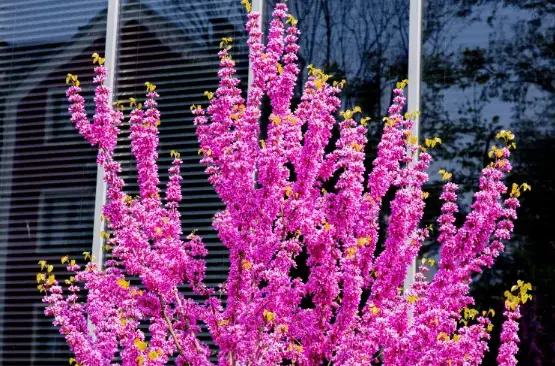
Native to Europe and Asia Minor, the Judas tree belongs to the Fabaceae family and grows to a maximum height of 10 meters. It has an eye-catching, zigzagged branching pattern, with young shoots turning purple, adding to its visual appeal. The tree blooms with pink to purple flowers from spring to summer, making it an excellent ornamental choice for gardens. Its deciduous blue-green foliage later turns yellow in the fall, creating an ever-changing display of colors throughout the seasons.
In this article, we’ll explain when and where to plant the Judas tree, as well as how to care for it to ensure its longevity and beauty.
When and Where to Plant the Judas Tree?
The best time to plant the Judas tree is in spring when the soil is warming up, and the risk of late frosts has passed. However, autumn planting is also an option, especially in November, when the tree can establish its roots before the winter chill sets in.
Here’s where you should plant your Judas tree:
- In flowerbeds: Plant it as a focal point in a garden bed.
- In isolation: For maximum effect, plant it alone where it can grow freely and show off its beautiful shape and flowers.
- On a lawn: It also does well when planted on open grass or near walkways, adding color and elegance to your outdoor space.
Soil Requirements
The Judas tree prefers well-drained, rich soil, and thrives in fertile, slightly alkaline soils. Calcareous soils (limestone-rich) are especially favorable for this tree. However, avoid planting in acidic soils, as this can hinder its growth. The tree will also benefit from good-quality potting soil if planting in containers.
Although it is a hardy tree, it requires the right environment to flourish, so plant it in a sunny spot for optimal blooming.
How to Plant the Judas Tree?

Proper planting is key to ensuring your Judas tree thrives for years. Follow these steps for a successful planting:
- Prepare the Planting Hole:
Dig a hole that is twice as wide and twice as deep as the root ball. This allows the roots to expand freely into the soil and establish a strong foundation. - Improve Soil Fertility:
Add a layer of compost or organic matter at the bottom of the hole to enhance soil fertility and improve drainage. - Watering and Placement:
Soak the tree’s root ball thoroughly before placing it into the hole. Make sure the top of the root ball is level with the surrounding soil. - Fill and Mulch:
Fill the hole with a mixture of garden soil and compost. After planting, mulch the base of the tree to help retain moisture and regulate temperature. - Water Generously:
Water the tree generously after planting, ensuring the roots are well-hydrated. Keep the soil moist for the first few weeks while the tree settles in.
How to Maintain the Judas Tree?

The Judas tree is a hardy tree, but like any plant, it requires some attention, especially in its early years. Here’s how to care for it:
Watering Needs:
During its first few years, the Judas tree requires regular watering, especially in dry conditions. If rainfall is scarce, water the tree deeply to keep the soil moist. However, once established, the tree is quite drought-tolerant.
Protection from Winds:
This tree’s young branches are delicate, so it’s important to protect it from strong winds. A sheltered spot with full sun is ideal, as it will encourage healthy growth and prolific blooming.
Mulching:
In the winter, it’s a good idea to mulch around the tree’s base to keep the roots warm and protect them from frost. This will help the tree stay healthy during cold spells.
Pruning:
Prune the tree only when necessary, removing any dead or damaged branches in late winter. This will help maintain its shape and promote healthy new growth.
Fertilizing:
The Judas tree does not require heavy fertilization. However, applying a light layer of organic compost every year can encourage strong growth, especially in the spring.
Pest Management:
Fortunately, the Judas tree is relatively pest-resistant, with few issues from insects. However, you may occasionally see pests like aphids or scale insects. If this happens, a strong jet of water will typically be enough to remove them.
A Festive Bonus: Nitrogen-Fixing Benefits
One of the lesser-known benefits of the Judas tree is its ability to fix nitrogen in the soil through root nodules. This makes it an excellent companion plant for other nitrogen-hungry plants, such as vegetables or certain fruit trees. Consider planting it near crops or other plants that require a nitrogen boost!
Conclusion: Add a Judas Tree to Your Garden
The Judas tree is a beautiful and versatile addition to any garden, offering stunning spring flowers, heart-shaped leaves, and vibrant fall colors. With the right care and planting conditions, it can thrive for decades, adding charm and beauty to your landscape. Whether you plant it in a flowerbed, hedge, or lawn, this tree will bring a touch of elegance and color to your outdoor space.
Have you ever planted a Judas tree in your garden? What are your tips for ensuring its success? Share your thoughts with us on our Facebook page! For more gardening inspiration, check out our article on fruit trees to plant in November, and learn how to make the most of your autumn planting season.


