
Wisterias are renowned for their stunning, cascading clusters of flowers, but after the blooms fade, the plants develop seed pods. These pods, while visually interesting, can present several considerations for gardeners. Should you remove them? Here’s a guide on when and why to manage wisteria pods.

Wisteria Cultivation, Varieties, and Pod Formation
Wisterias, with nine species native to Asia and the eastern U.S., are admired for their vigorous growth and breathtaking flowers. In Europe, the Chinese wisteria (Wisteria sinensis) is particularly common. Although wisterias are hardy, they can be slow to flower, especially when grown from seed. This delay in flowering—sometimes up to 15 years—often leads gardeners to opt for grafted cultivars or cuttings for quicker blooms.
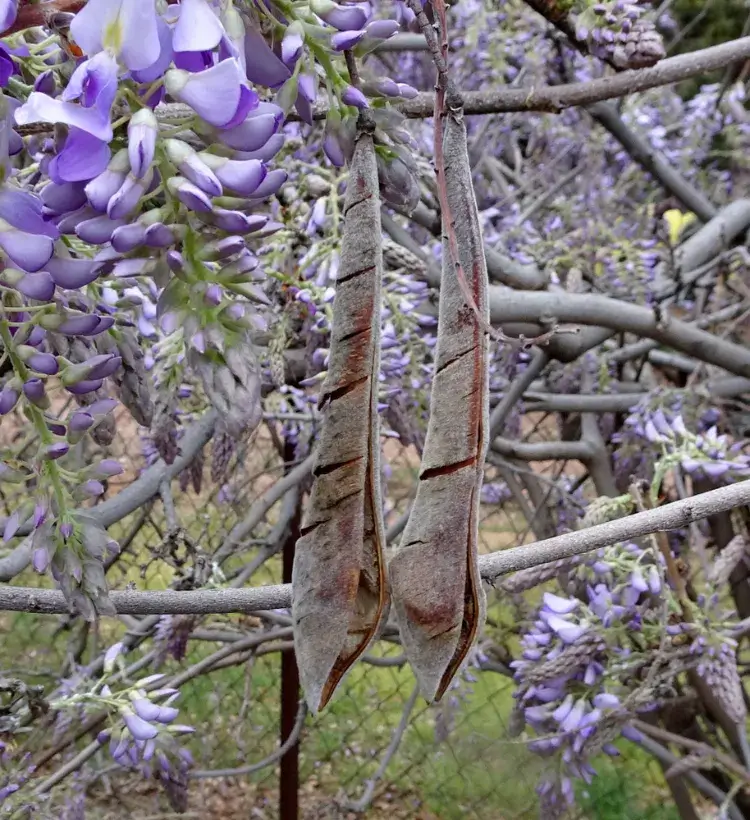
Disadvantages of Growing Wisteria from Seed
- Delayed Flowering: Wisterias grown from seed may take up to 15 years to flower, compared to a few years for grafted plants or those propagated from cuttings.
- Inconsistent Results: Seed-grown wisterias may not have the same characteristics as the parent plant, leading to unpredictable flowering and growth patterns.
Should Wisteria Pods Be Removed?
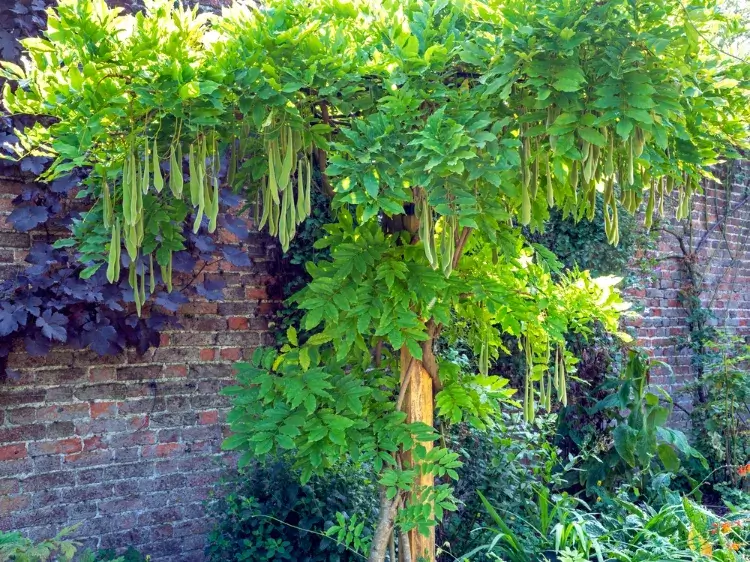
Removing wisteria pods is optional but can be beneficial depending on your goals. Here are the primary reasons for pod removal:
- Propagation: If you’re interested in growing new wisterias from seed, let the pods mature and dry on the plant. Harvest them once the leaves have fallen, spread the pods on a tray to finish drying, and then collect the seeds. Soak the seeds in water for 24 hours before sowing them in fall.
- Plant Health and Flowering: For young wisterias or those not yet established, removing the pods can help direct the plant’s energy toward flowering and growth for the next season. This can be particularly helpful in promoting robust growth and ensuring better flowering.
- Safety: Wisteria seeds are toxic to humans and pets. If you have small children or pets, it’s advisable to remove the pods to prevent any accidental ingestion.
- Aesthetic Considerations: Some gardeners prefer the look of wisteria vines without the seed pods, especially if they want to maintain a tidy appearance in their garden.
When to Remove Wisteria Pods
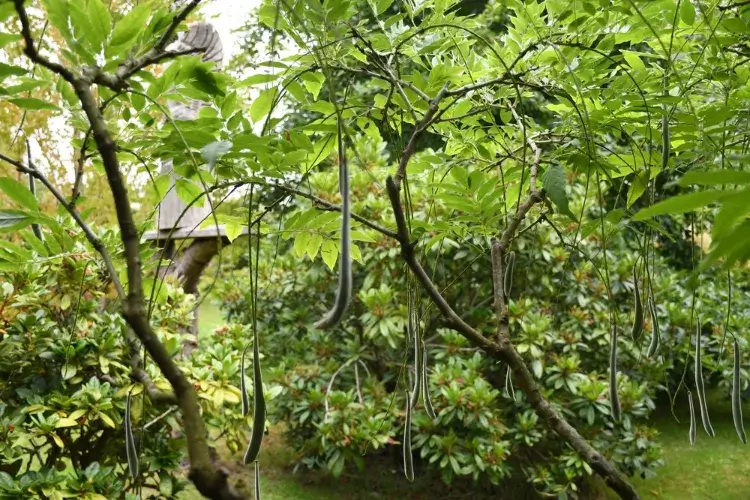
- For Propagation: Wait until the pods are fully matured and dried, ideally after the leaves have fallen. This ensures you collect viable seeds for planting.
- For Plant Health: If your goal is to help the plant focus on next year’s growth, remove the pods as soon as they begin to form. This reduces the plant’s energy spent on seed production.
- For Safety: Remove the pods as soon as they start to form if you’re concerned about the toxicity of the seeds to children and pets.
- For Decoration: If you prefer to leave the pods for decorative purposes, you can do so, but be aware of their potential to drop seeds and create volunteer plants in unintended areas.
Conclusion
Deciding whether to remove wisteria pods depends on your gardening goals, safety concerns, and aesthetic preferences. Whether you’re aiming to propagate, enhance plant health, or simply maintain a neat garden, understanding the reasons behind pod removal will help you make the best choice for your wisteria and garden.


