“Snakes are our best allies in the garden, as they help control populations of rodents like mice and rats, as well as summer insects!” However, many people are not comfortable sharing their property with reptiles. If you suspect you have a snake nest in your garden, here’s how to recognize it and what steps to take next.

How Do You Know if There Is a Snake in Your Garden?
It’s common for gardens to be home to various insects and animals, but some are more noticeable than others. Here are signs that indicate a snake might be present:
- Molting: Snakes shed their skins, so finding a molt in your garden is a strong indicator of their presence.
- Distinctive Marks: Look for trails or patterns in the soil or among plants.
- Excrement: Snake droppings are typically cylindrical or round and can be brown or gray.
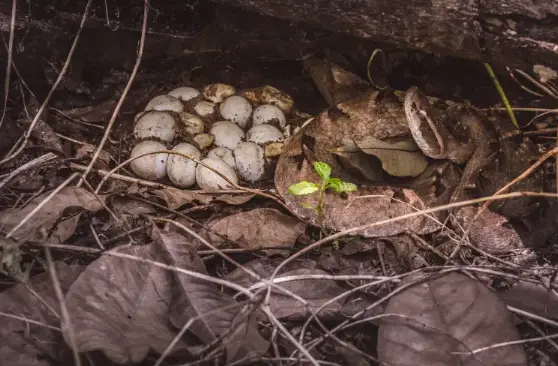
- Holes in the Ground: These may serve as nests.
Where Do Snakes Make Their Nests?

Unlike what you might expect, snakes do not form large, intertwined nests. They prefer to nest in isolated areas. Common locations include:
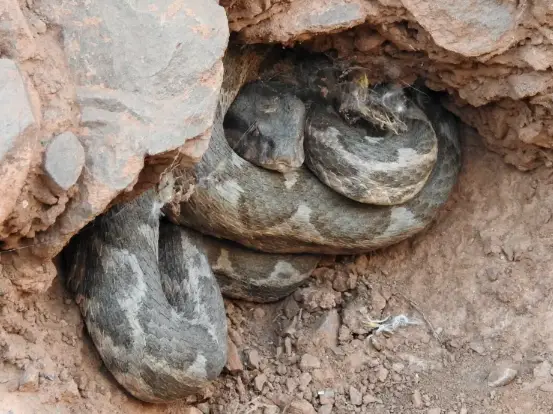
- Cracks in walls or between rocks
- Under large stones or rocks
- Tall vegetation
- Root systems of plants
- Debris or stacked wood
How to Recognize a Snake Nest in the Garden?

A snake nest isn’t like the nests of other animals. Snakes often occupy holes made by rodents or small, dark spaces. This makes locating their nesting area challenging. If you find it, be sure to handle the situation carefully.
How to Get Rid of It?
Prevention is the best approach when dealing with snakes in your garden:
- Seal Holes: Close gaps in fences and building foundations, as well as around pipes.
- Keep Clean: Avoid clutter by tidying up the garden and not leaving piles of wood or dry leaves.
- Manage Compost: Keep your compost heap covered to deter rats, which in turn attract snakes.
- Plant Natural Repellents: Certain plants can help keep snakes away.
Warning! Never attempt to remove a nest with your bare hands. Always wear bite-proof gloves and protective clothing. It is advisable not to try to remove or kill a snake on your own. Instead, contact a professional who can safely handle the situation.