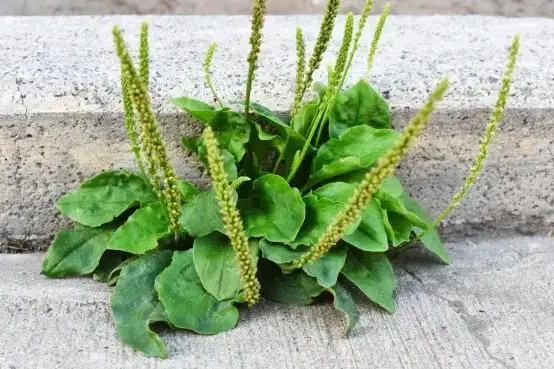
Why Learn to Plant Plantain?

Understanding how to plant plantain offers numerous advantages, turning this often-overlooked herb into a valuable crop. Known for its medicinal properties and culinary uses, plantain can enhance your garden’s biodiversity and provide essential nutrients.
What is Plantain: Weed or Medicinal Herb?

Often seen as a weed, plantain is actually a potent medicinal herb. It is rich in vitamins (A, B1, B2, C) and essential minerals (iron, calcium, phosphorus, magnesium). Instead of trying to eliminate it, consider cultivating plantain for its health benefits, including support for hemoglobin and digestive health.
How Does Plantain Reproduce?

Plantain reproduces easily through its broad leaves and flower spikes. These flowers produce seeds that can spread quickly by wind, making it a resilient addition to any garden. To cultivate plantain intentionally, collect seeds from dried flower spikes and plant them in spring.
When and How to Plant Plantain?

To plant plantain effectively, choose a sunny or partially shaded area with dense, loamy soil that has good drainage. While the plant is self-seeding and resilient, waiting for the flower spikes to dry allows for easy seed collection. Plantain thrives in moist conditions and requires no fertilizer, making it an ideal low-maintenance crop.
How Long Does it Take for Plantain to Grow?
Every part of the plantain is edible, and the young leaves suitable for salads and cooking appear approximately 4 to 5 months after planting. The plant is perennial, meaning it will continue to produce for years, giving you the option to either limit its spread or let it flourish.
By learning to cultivate plantain, you can enjoy its many benefits while enhancing your garden’s health and diversity. This edible herb is more than just a weed—it’s a valuable asset for your culinary and medicinal needs.


