
The Bleeding Heart flower, or Dicentra spectabilis, is a timeless perennial known for its unique beauty and adaptability to shady spots in the garden. Often called “Mary’s heart” due to its distinctive shape, this plant adds charm and elegance to any garden space, especially in shaded or woodland areas. Here’s a comprehensive guide on how to care for and propagate this lovely flower.

Why is Dicentra spectabilis Called “Bleeding Heart” and “Mary’s Heart”?
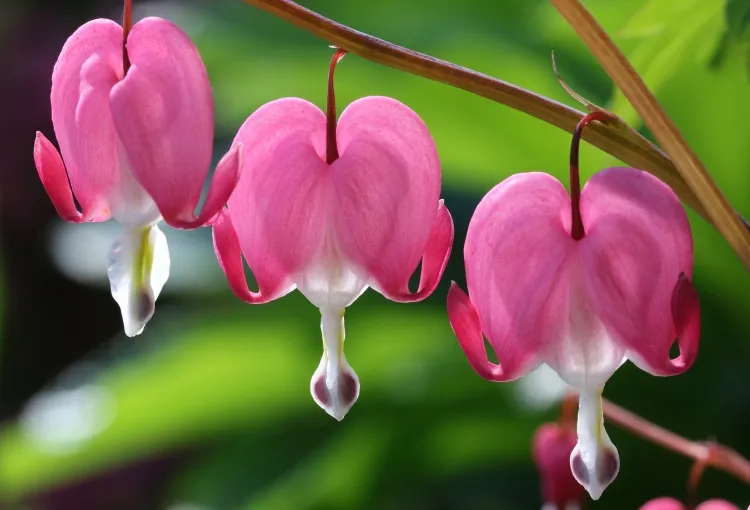
The Bleeding Heart is named for its heart-shaped flowers that appear to “bleed” from the bottom. This visual effect has given rise to its nickname “Mary’s Heart” in some regions. The plant’s delicate, dangling flowers and its association with love and heartache contribute to its evocative name. In some parts of Europe, it’s also referred to as “earrings” due to its floral arrangement.
When Does Mary’s Heart Bloom?
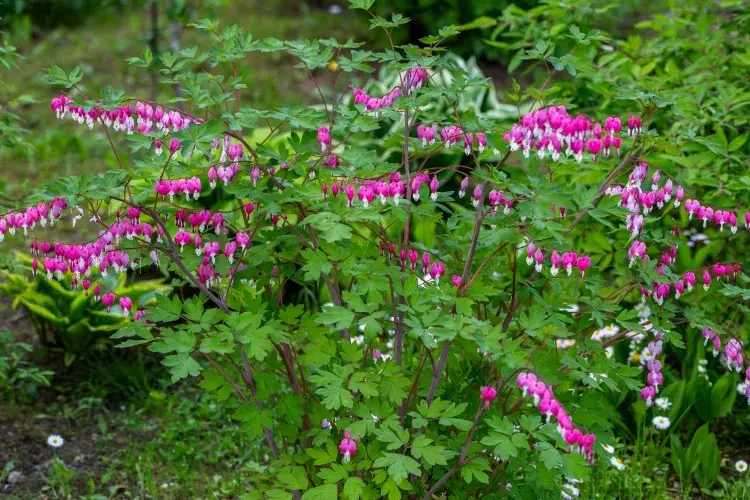
The Bleeding Heart flower is a springtime bloomer that thrives in cool, shady environments. It typically starts blooming in late spring and can continue its floral display until late summer or early fall, especially if the weather remains cool and moist. This plant enjoys the freshness of a cool, humid climate, which can delay its dormancy.
What Exposure is Best for a Bleeding Heart?
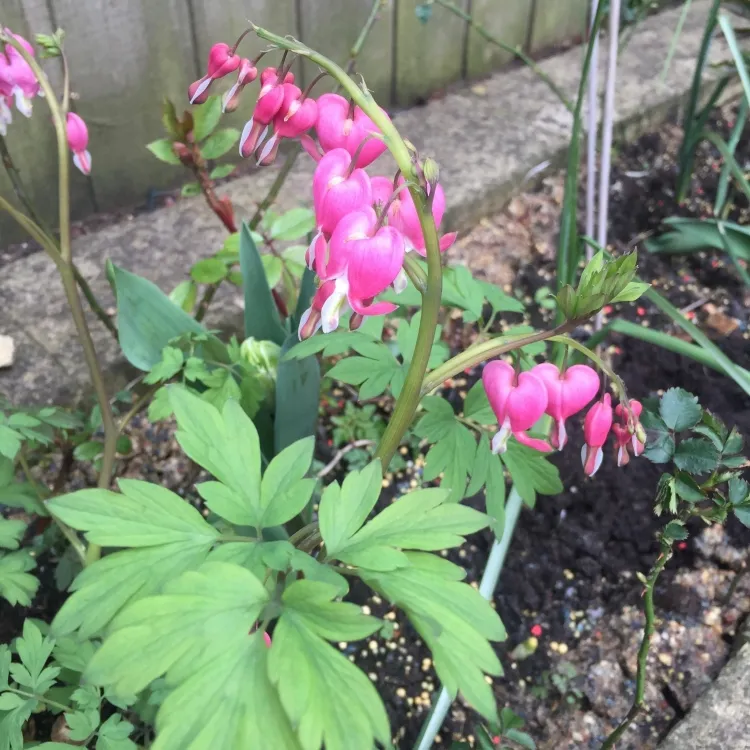
- Light: The Bleeding Heart prefers shade or partial shade. It is ideal for a garden with limited direct sunlight.
- Soil: The plant thrives in moist, well-drained soil. It prefers soil that is acidic to neutral.
- Placement: It’s a good companion plant for hostas, geraniums, and ornamental grasses like blue sedge. It can also repel deer due to its toxicity.
How to Maintain Potted and Gardened Bleeding Hearts
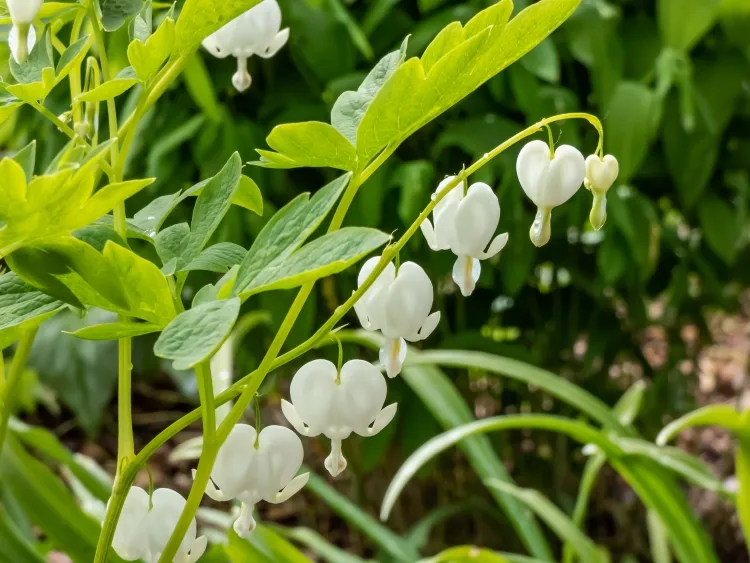
Despite its delicate appearance, the Bleeding Heart is relatively low-maintenance:
- Watering: Keep the soil consistently moist but not waterlogged. If grown in a pot, ensure proper drainage to avoid root rot.
- Fertilization: A layer of organic compost or well-rotted manure can be beneficial. Avoid heavy feeding, as this can lead to excessive foliage growth at the expense of flowers.
- Protection: Shield the plant from direct sun and strong winds. It can tolerate cold but may suffer from frost damage to its foliage.
Do Bleeding Hearts Spread?
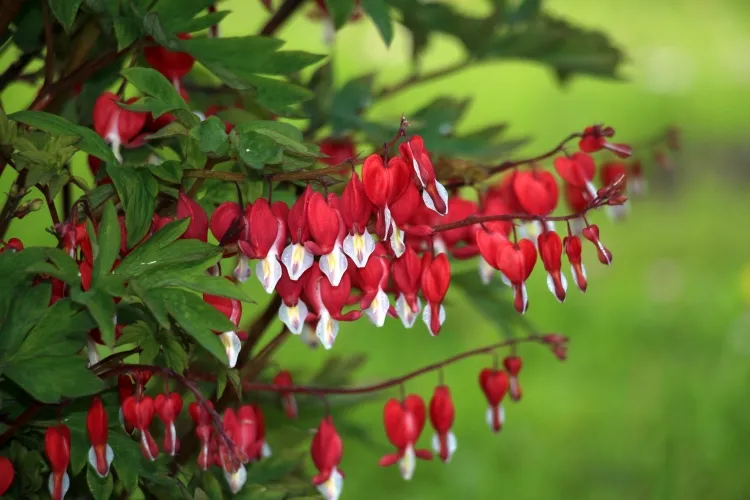
Bleeding Hearts can spread through several methods:
- Seeds: Collect seeds from faded flowers in late summer or early fall and sow them in prepared soil. This method allows you to grow new plants.
- Division: In early spring or fall, you can divide mature plants to propagate them. This is useful for increasing the plant’s presence in your garden.
- Cuttings: Although less common, stem cuttings taken in the spring before the plant becomes too warm can be used to grow new plants.
Conclusion
The Bleeding Heart flower is a splendid choice for shady gardens, offering a touch of elegance and a burst of springtime beauty. Its ability to thrive in cooler, moist conditions makes it a versatile addition to any garden design. With minimal care, this perennial can provide years of enjoyment and add a touch of whimsy to your outdoor space.


