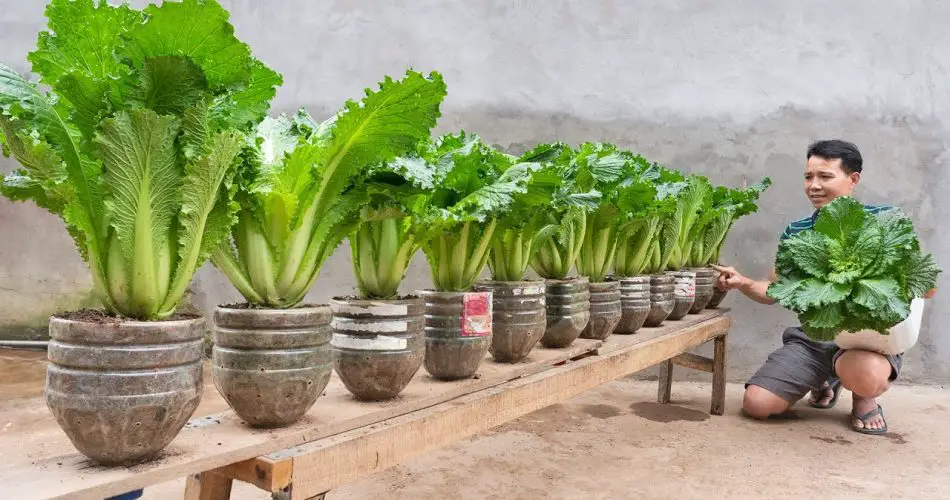
Transforming Waste into Wonder: The Miracle of Recycling Plastic into a Unique Vegetable Garden
Witness the remarkable journey of turning plastic waste into an extraordinary and distinctive vegetable garden. Embrace sustainability by repurposing plastic materials to create a beautiful and eco-friendly growing space.
1. Collecting Plastic Waste:
- Begin your transformative venture by collecting various plastic items like bottles, containers, and discarded materials. Ensure they are clean and free from any harmful substances.
2. Planning Your Garden Design:
- Envision the layout of your vegetable garden. Utilize different-sized plastic containers to create tiers, raised beds, or hanging planters. Let your creativity flow as you plan the unique arrangement.
3. Creating Raised Beds:
- Stack plastic containers to form raised beds. Drill drainage holes in the bottom to prevent waterlogging. Raised beds offer excellent growing conditions and make gardening more accessible.
4. Vertical Gardening with Bottles:
- Cut plastic bottles vertically, creating pockets for planting herbs or smaller vegetables. Attach these bottle planters to walls or fences, maximizing space and adding a vertical garden element.
5. Hanging Gardens with Containers:
- Suspend containers from elevated structures or use hooks to fashion hanging gardens. This technique not only saves space but also adds an aesthetically pleasing touch to your recycled garden.
6. Choosing the Right Soil:
- Fill your plastic containers with nutrient-rich potting soil suitable for the specific vegetables you plan to grow. Consider adding organic compost to enhance soil fertility.
7. Selecting Vegetables for Container Gardening:
- Opt for vegetables that thrive in containers, such as tomatoes, peppers, herbs, lettuce, and radishes. Container gardening allows for flexibility in choosing crops based on available space.
8. Regular Watering Routine:
- Establish a consistent watering routine to ensure your container garden receives adequate moisture. Plastic containers may require more frequent watering, especially during warmer seasons.
9. Personalized Labels and Decor:
- Add a personal touch to your recycled garden by creating labels for each vegetable. Use repurposed materials like old cutlery or small pieces of plastic to craft unique markers. Decorate the containers for a vibrant and personalized look.
10. Upcycled Trellises and Supports:
- Fashion trellises and supports using plastic pipes or containers. These structures provide stability for climbing plants like beans or peas and add an inventive touch to your garden.
11. Sustainability and Environmental Impact:
- Embrace the environmental benefits of recycling plastic waste. By repurposing these materials, you contribute to waste reduction and promote sustainability in your gardening practices.
12. Community Engagement:
- Share your innovative gardening approach with your community. Encourage others to join in the initiative, promoting sustainable practices and raising awareness about the transformative power of recycling.
Embark on your journey of creating a vegetable garden that not only yields fresh produce but also showcases the incredible potential of recycling plastic waste. Watch your recycled garden flourish into a unique and environmentally conscious oasis, proving that beauty can indeed arise from discarded materials.


