
Plants bring a unique touch to our homes, enhancing our visual experience, purifying the air, and becoming steadfast companions. While we recognize the vast variety of plants, the distinction between indoor and outdoor varieties often leads to different care routines. Yet, it’s rare to know which plants are not only recommended for thriving indoors but also demand minimal attention.
In the following sections, discover the key indoor plants that not only flourish effortlessly within indoor environments but also actively contribute to air purification while being low-maintenance.
1- Pothos

Among the most resilient plants, Pothos requires minimal care and adapts to temperature ranges between 15 and 30 degrees. These climbers thrive in various environments, cleaning the air of pollutants like formaldehyde. Suitable for both pots and water cultivation, they are popular in offices due to their ease of maintenance and propagation.
2- Areca Palm
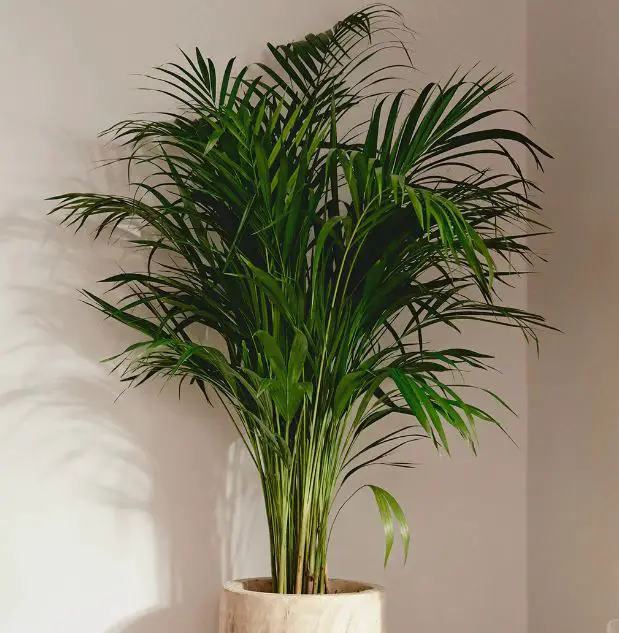
A palm tree, Areca, grows according to the pot size, with long leaves and pleasant-smelling white flowers. Known for eliminating chemicals such as formaldehyde, xylene, and toluene, it actively contributes to a cleaner indoor atmosphere.
3- Ficus

Highly resilient and easy to care for, Ficus requires indirect light and regular watering. Besides air purification by filtering volatile cleaning substances, it also aids in sound absorption. The roots play a crucial role in initiating and sustaining this purification process.
4- Philodendron

Leafy and energy-efficient, Philodendrons thrive with regular watering, avoiding waterlogging. When placed close to each other, they create a natural fence, covering spaces effectively. This plant excels in eliminating formaldehyde from the environment.
5- Aglaonema

Adaptable to low light conditions, Aglaonema withstands artificial light as well. To prevent damage, avoid placing it near heat or cold appliances. Known for purifying contaminants like toluene and xylene found in cleaning products, it thrives in various indoor settings.
6- Sansevieria

With minimal care requirements, Sansevieria needs sparse irrigation, once every two weeks in both winter and summer. Effective in removing contaminants like toluene, xylene, formaldehyde, and benzene—commonly found in paints and cleaning products—it thrives with good light, avoiding direct sunlight.
7- Ivy

Resilient and cascading in growth, Ivy is ideal for hanging placement. Requiring frequent but not waterlogged watering and weekly leaf spraying, it efficiently cleans the air of benzene, present in plastics, resins, and synthetic fibers.
Embrace the beauty and functionality of these plants, creating a healthier and aesthetically pleasing indoor environment with minimal effort.


