Coppicing Shrubs: Benefits and Tutorial
What is Shrub Coppicing?
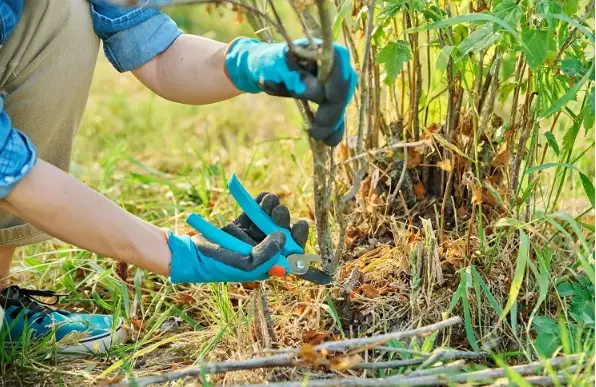
Shrub coppicing is an age-old practice that involves cutting shrubs down to the ground, encouraging vigorous regeneration. This process is more aggressive than regular pruning, stimulating new growth and contributing to the overall health and longevity of the shrub.
When to Coppice a Shrub?
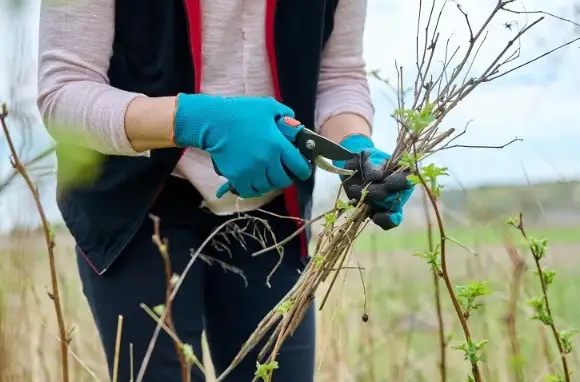
Best Time: March, at the beginning of spring, is the ideal time for shrub coppicing. It allows the plants to regenerate in mild temperatures with the support of the spring sun. Avoid winter coppicing, especially in areas with harsh weather conditions, as it may expose the shrubs to damage.
How to Coppice Shrubs?

- Prepare Tools: Clean and sharpen pruning shears and a saw to ensure clean cuts and prevent the spread of diseases.
- Clean Tools: Before starting the coppicing process, clean the gardening tools thoroughly to avoid transferring diseases between plants.
- Cutting Process:
- Use pruning shears and a saw to cut all stems back to ground level.
- Leave about 10-15cm above the ground to allow for new shoots to emerge.
- Observation: It may take a few weeks for new shoots to appear, but the shrubs will grow more vigorously after coppicing.
- Watch a Tutorial: If you’re unfamiliar with the process, watching a tutorial video can provide additional guidance.
Which Shrubs to Coppice?
Not all shrubs respond the same way to coppicing, so it’s crucial to choose the right candidates. Fast-growing shrubs are suitable for coppicing, while slow-growing ones may not benefit as much. Some shrubs that respond well to coppicing include:
- Forsythia
- Lavender
- Hydrangea
- Dogwood
- Elderberry
- Holly
- Blueberry
- Lilac
- Photinia
- Barberry
- Bamboo
- Cherry laurel
- Oleander
- Wallflower
Coppicing promotes the health and vitality of shrubs, making them more resilient to diseases and infestations. It’s an effective method for rejuvenating and managing shrub growth.


