
Mulching is an essential gardening practice for growing healthy plants, and sheep’s wool is becoming a popular choice as a natural mulch for tomato plants. This eco-friendly method not only helps improve the quality of your soil but also offers a variety of other advantages. In this article, we’ll discuss how to use sheep’s wool as mulch, its benefits, and alternative options for your garden.
Why Use Sheep’s Wool for Mulching Tomatoes?
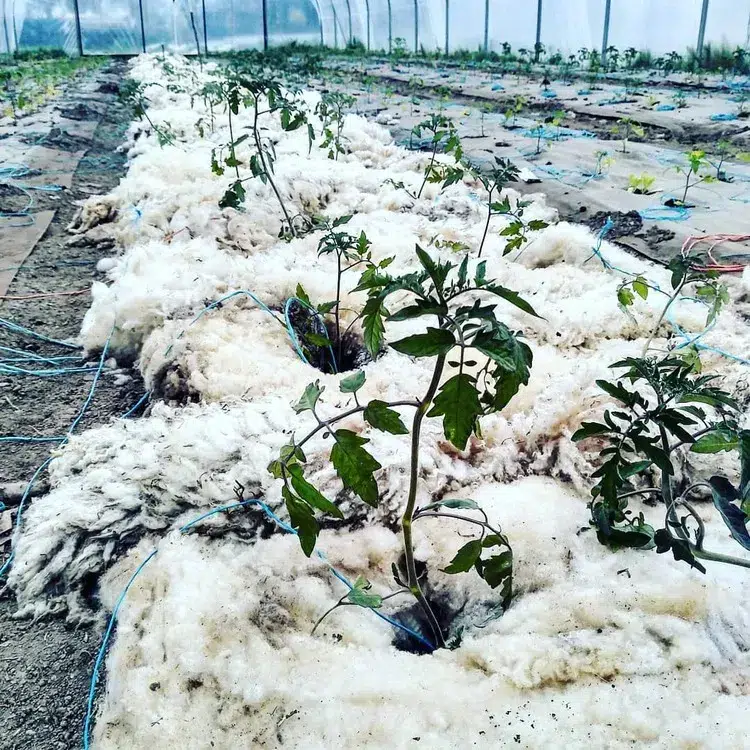
While the idea of using sheep’s wool around tomatoes might seem unusual, it is actually an effective and sustainable practice. Sheep’s wool offers numerous benefits as a natural mulch for your garden. Here’s why you should consider it:
- Soil Temperature Regulation:
Sheep’s wool helps keep the soil cool in summer and retains heat in winter, creating a more stable environment for your tomato plants. This can also reduce the need for frequent watering, as the moisture in the soil evaporates less quickly. - Weed Control:
Wool mulch blocks light from penetrating the soil, which limits weed growth. Even if weeds manage to sprout, they will be weak and easy to pull out. - Pest Repellent:
The texture of sheep’s wool acts as a natural barrier against slugs and snails, keeping these pests away from your tomatoes. - Soil Enrichment:
As biodegradable mulch, wool slowly decomposes and adds valuable nutrients and organic matter to the soil, promoting stronger roots, faster plant growth, and improved fruit production. - Prevention of Fungal Diseases:
Wool helps absorb water, reducing the likelihood of mildew and other fungal issues in tomatoes. - Durability:
Raw wool can last up to two years before needing to be replaced, making it a long-lasting mulch option.
How to Use Sheep’s Wool for Mulching Tomatoes
- Timing:
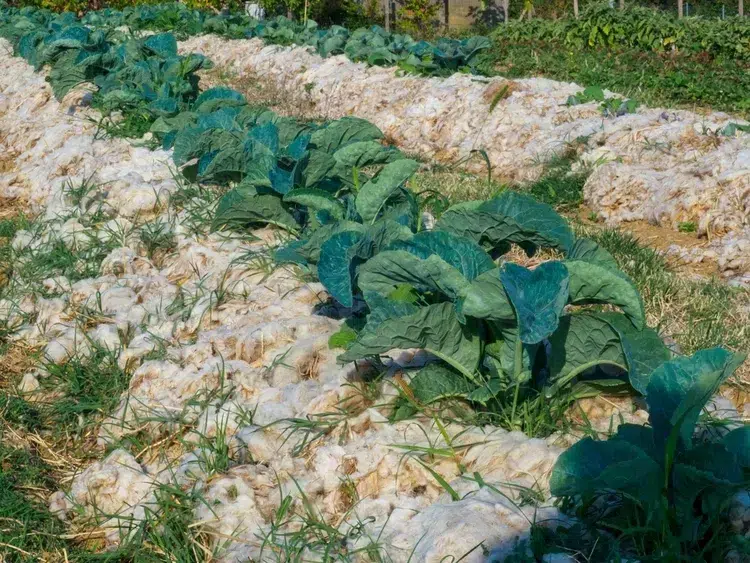
Since tomatoes thrive in warm soil, it’s essential to wait until the soil is sufficiently warm before applying the wool. Mulching too early can delay flowering and lead to a later harvest. - Application:
- If you’re using raw wool, first water the base of your tomato plants and then spread the wool around them.
- For commercial rolls, follow the manufacturer’s instructions for easy installation.
Other Crops That Will Benefit from Sheep’s Wool
While tomatoes are a perfect fit for this organic mulch, other plants can also benefit:
- Strawberries, cabbages, green salads, and beans
- Corn, peppers, zucchini, and cucumbers
- Trees and shrubs can also thrive with the help of sheep’s wool mulch.
Alternative Mulch Options for Tomatoes
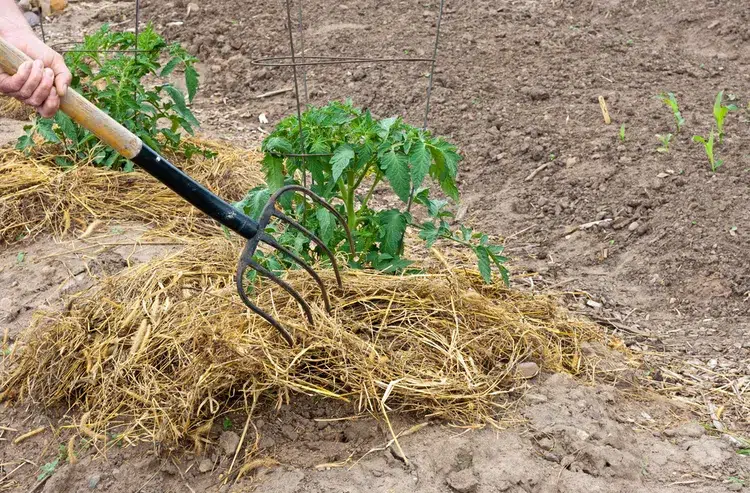
If sheep’s wool isn’t your preferred choice, there are several natural mulch alternatives to consider:
- Grass Clippings:
Ensure they are completely dry before applying them to your tomato plants. Mix with straw to balance carbon and nitrogen levels. - Dead Leaves:
Use leaves from fruit trees, as they offer an ideal carbon/nitrogen ratio for mulching. - Compost:
Rich in nutrients, compost promotes better growth, fruiting, and flavor. - Cocoa Bean Shells:
These are high in potash and nitrogen, but be cautious, as they are toxic to pets. - Hay:
A good option for its carbon/nitrogen ratio and ability to regulate soil temperature, though it decomposes quickly. - Coconut Shells:
Heavy and resistant to wind, these shells decompose slowly and provide an attractive, durable mulch. - Flax Mulch:
Lightweight and great for mulching, but best used in areas where wind isn’t a concern.
Conclusion
Using sheep’s wool as mulch around tomatoes is a highly effective and environmentally friendly option. It keeps the soil cool, helps with weed control, repels pests, and enriches the soil. Whether you choose wool or another natural mulch, maintaining a healthy mulch layer around your plants will promote optimal growth and improve your harvest. 🌿


